

Лазерная резка листового металла против традиционных методов резки объясняется
Время : Dec 04, 2025 View : 775
Технология резки листового металла претерпела значительное развитие, которое трансформировало промышленные производственные операции за счет повышения эффективности и расширения возможностей проектирования. Традиционные методы резки механической резки, пилы и пробивания сохраняли свою ценность на протяжении многих лет, но технология лазерной резки обеспечивает превосходную точность и гибкие возможности автоматизации. Предприятия, которые хотят расширить свою деятельность при достижении большей точности и снижении эксплуатационных расходов, должны осознать фундаментальные преимущества лазерных систем.
Висекут Ведет переход как всемирный надежный производитель, который предоставляет инновационные решения с помощью лазерной резки и сварки и технологий автоматизации. Компания предлагает широкий выбор продуктов, которые обслуживают различные секторы, включая автомобильную и аэрокосмическую промышленность, строительство и электронику, чтобы помочь клиентам найти подходящие производственные решения.
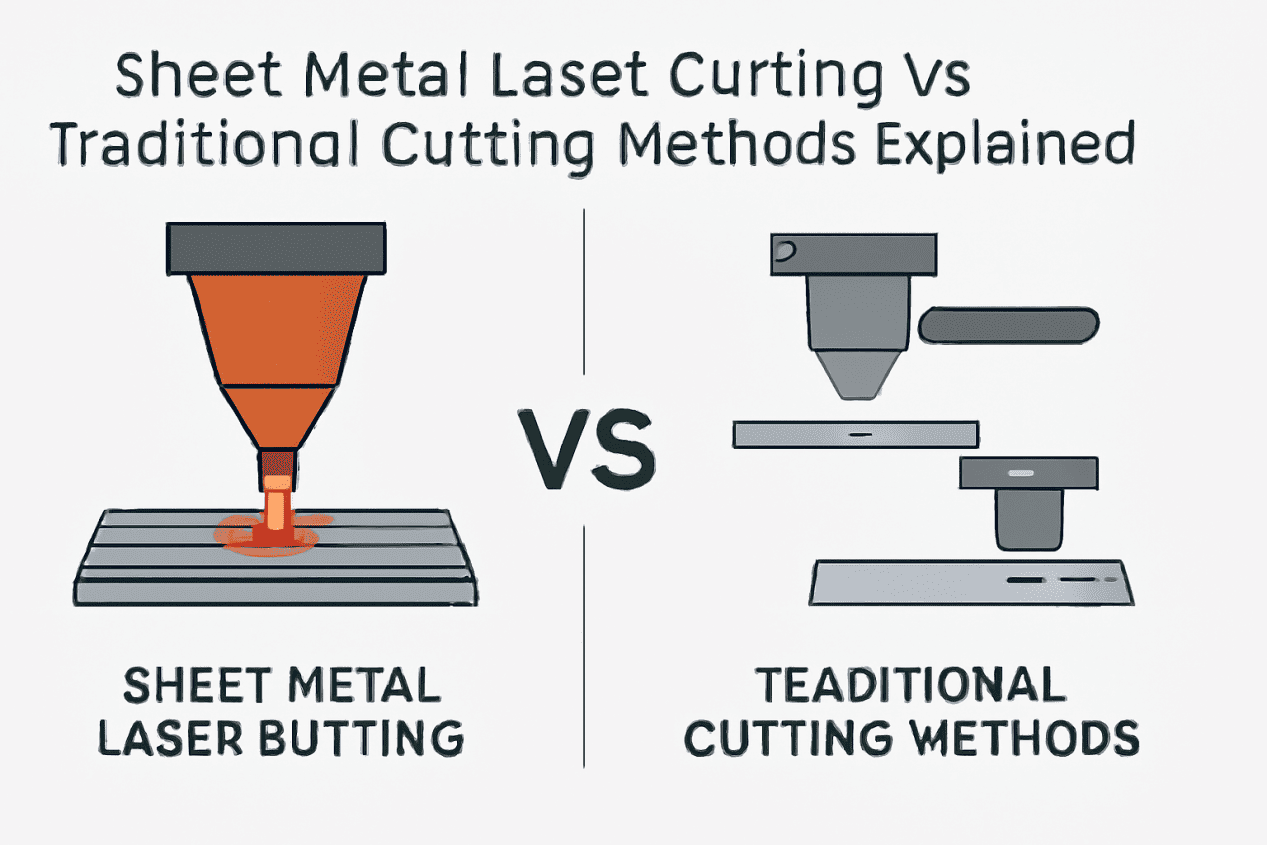
Чем отличается лазерная резка листового металла от традиционных методов?
Процесс лазерной резки обеспечивает большую точность и гибкую обработку материала при снижении эксплуатационных требований. Система предлагает лучшую производительность, чем механические методы из-за своих передовых функций.
Точность и точность в производительности резки
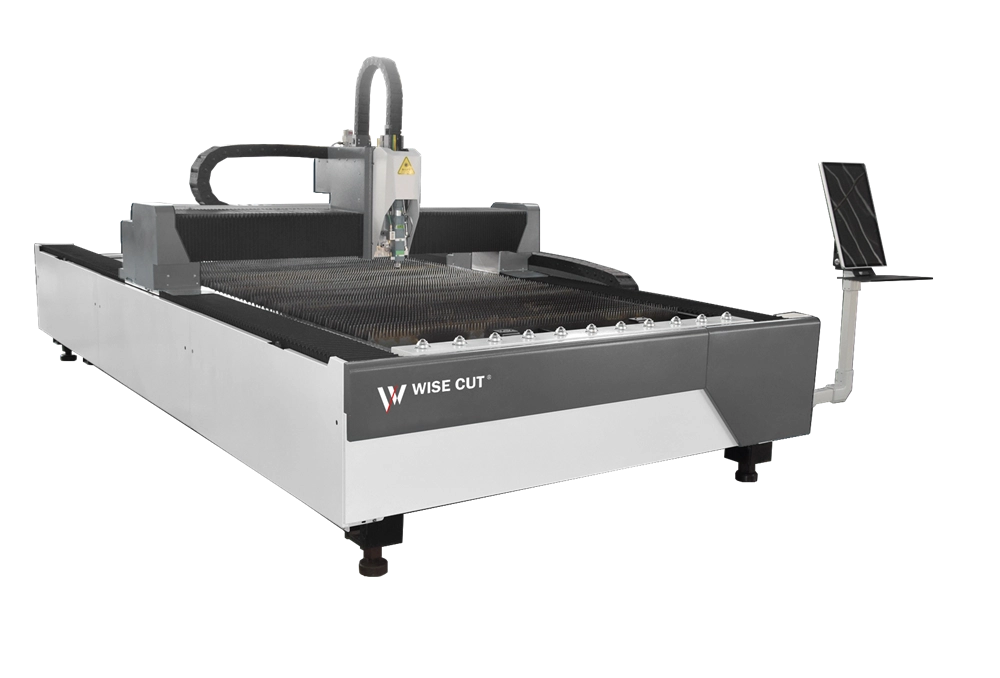
Сочетание механического износа и вибрации делает традиционные методы непригодными для сложных конструкций и точных требований к допуску. Высокоэнергетический луч технологии лазерной резки производит точные разрезы, которые поддерживают равномерные размеры. Машина для лазерной резки волокна WT-3015 достигает точности луча 0,03 мм, что делает его дефектным продуктом, который должен быть возвращен для обмена. Высокая точность процесса резки уменьшает потребность в дополнительной работе и улучшает способность деталей вступать вместе во время сборки.
Система поддерживает целостность материала благодаря минимальному тепловому искажению, которое происходит даже при работе на высоких скоростях. В Машина для лазерной резки листа металла одной платформы обеспечивает быструю работу с надежной производительностью и точным качеством края, которое подходит для приложений, требующих точных измерений.
Универсальность материала и адаптируемость толщины
Лазерные системы работают на нескольких типах металлов, включая нержавеющую и углеродную сталь и алюминиевые сплавы и дополнительные материалы. Машина для лазерной резки волокна WT-3015 работает на углеродной стали и нержавеющей стали и алюминиевых сплавах, а также на латуни и меди и оцинкованном листе и кремниевой стали и электролитической пластине и титановом сплаве и марганцевом сплаве.
Система работает без изменения инструмента, поскольку позволяет пользователям переключаться между различными материалами и толщинами с помощью простых лазерных параметров. Машина для лазерной резки металлических листов с одной платформой демонстрирует свою гибкость, резая листы толщиной до 30 мм при сохранении низкой деформации материала.
Соображения по износу и обслуживанию инструмента
Безконтактный характер лазерной резки отличает его от механических методов, которые используют физические лезвия или удары для работы. Безинструментальный характер лазерной резки предотвращает износ инструмента, который возникает при механической резке и пробивательных операциях, тем самым минимизируя потребности в техническом обслуживании и уменьшая перерывы в производстве.
Машины Wisecut используют стабильные компоненты и высококачественные лазерные источники для обеспечения длительной работы в суровых промышленных условиях.
Как лазерная резка повышает эффективность производства?
Лазерная технология обеспечивает лучшую производительность резки, одновременно улучшая производственные операции за счет повышенной скорости и автоматизированных систем. Система позволяет производить больше продуктов за короткие производственные периоды, сохраняя при этом свои требования к качеству.
Более быстрые скорости обработки с автоматизированным управлением
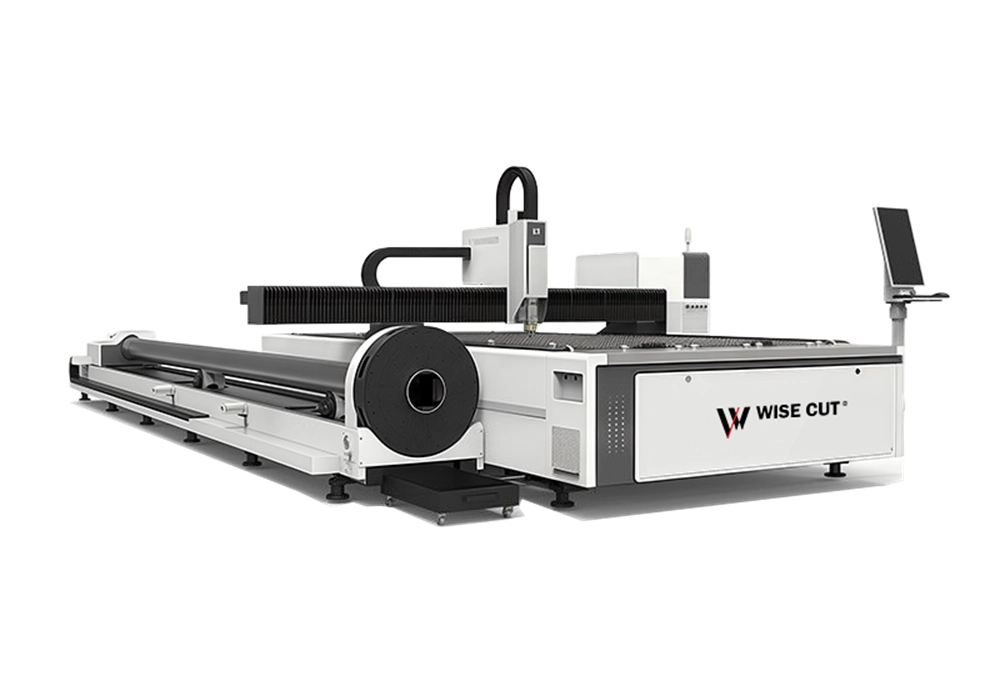
Скорость работы высокоскоростных лазерных головок превосходит традиционные пилы и гидравлические прессы, поскольку они обеспечивают более быстрое время цикла. Лист & Машина для лазерной резки металлического волокна работает с максимальной скоростью работы без нагрузки 120 м / мин. Машина оснащена интегрированными сервосистемами, которые позволяют точное управление путём для прямых и сложных операций с узорами.
В Лист & Машина для лазерной резки металлического волокна предоставляет возможности автоматической загрузки, которые помогают вам уменьшить время простоя и уменьшить участие человека для повышения эффективности производства.
Сокращение времени настройки и нарушения рабочего процесса
Использование традиционных методов увеличивает время производства, поскольку для установки требуются физические штампы или формы. Процесс лазерной резки начинается с ввода цифрового файла, что устраняет необходимость физической подготовки. Процесс переключения между производственными задачами становится быстрее, потому что нет необходимости переоборудования.
Система управления принимает файлы CAD/CAM через функции интеграции программного обеспечения Wisecut, которые позволяют мгновенную загрузку файлов для плавного перехода к работе.
Повышенная точность уменьшает обработку после резки
Процесс лазерной резки производит гладкие края, одновременно минимизируя количество образующегося разреза. Из-за этого процесса требуется меньше дополнительных отделочных операций. Программная система для гнездования работает в системе для оптимизации использования листа сырья за счет эффективного размещения деталей. Система Wisecut включает в себя интегрированное программное обеспечение для гнездования, которое помогает пользователям достичь максимальной эффективности листа.
Каким образом лазерная резка поддерживает сложные требования к проектированию?
Конструкция лазерных систем позволяет им выполнять точные операции. Лазерные резки дают конструкторам возможность создавать сложные конструкции, которые другие системы оборудования не могут производить, когда им нужно делать легкие аэрокосмические детали или декоративные архитектурные панели.
Высокая гибкость в геометрических узорах и детализации
Система позволяет пользователям создавать сложные формы, узоры и отверстия в процессе резки без необходимости в дополнительном оборудовании. Система позволяет цифровые модификации конструкции, что приводит к немедленной реализации производства. Система управления Cypcut работает с несколькими программами для гнездования, чтобы обеспечить плавные изменения проекта при сохранении точности резки.
Лист & Машина для лазерной резки металлического волокна предоставляет точные детали для резки плоских листов и цилиндрических труб.
Процесс недеформирования для деликатных конструкций
Тонкая структура листов легко искажается при воздействии теплового напряжения. Лазерная система создает небольшую площадь под воздействием тепла, которая защищает деликатные части во время обработки. Машина для лазерной резки открытого типа WT-1530 предотвращает деформацию материала во время обработки, что делает ее подходящей для производства электроники и медицинских устройств.
Высокое качество края повышает совместимость сборки
Процесс сборки становится более точным, поскольку детали с точной резкой с чистыми краями помогают уменьшить ошибки, одновременно улучшая выравнивание соединений как во время сварки, так и при закреплении болтов. Машина для лазерной резки металлических листов с одной платформой производит края, которые могут использоваться для сборки или покрытия без необходимости дополнительной обработки до интеграции в полные системы.
Как типы материалов влияют на выбор метода резки?
Выбор метода резки зависит от свойств материала, которые включают отражающую способность и чувствительность покрытия. Лазерные системы предлагают отличную гибкость материала, поскольку для работы с различными материалами требуются минимальные настройки.
Производительность отражающих и высокопроводимых металлов
Сочетание высокой твердости и отражающих свойств затрудняет работу с медными и латунными материалами в механических инструментах. Передовые свойства поглощения длины волны волоконных лазеров позволяют им эффективно обрабатывать эти материалы. Волоконные лазерные источники Wisecut поддерживают надежную работу при обработке требовательных материалов.
Совместимость с покрытыми или окрашенными поверхностями
Механический контакт между инструментами и деталями угрожает повреждению защитных покрытий при выполнении операций по резке. Лазерная технология решает эту проблему, обеспечивая точную тепловую энергию, которая предотвращает любое повреждение поверхности от щербания или щербания. Интеллектуальные лазерные головки Wisecut содержат элементы управления энергией, которые защищают целостность покрытия на протяжении всей операции обработки.
Многоматериальные возможности обработки в одной системе
Процесс переключения между алюминием и сталью и оцинкованными листами требует переоборудования машины обычным оборудованием. Лазерные системы устраняют это требование. Лист & Машина для лазерной резки металлического волокна работает как система двойного назначения, которая позволяет обрабатывать различные типы металлов в листовых и трубковых формах через одну интегрированную платформу.
Каковы последствия применения лазерной резки?
Первоначальные расходы на лазерную технологию кажутся высокими, но система обеспечивает постоянное снижение затрат, поскольку она работает с максимальной эффективностью, используя меньше материалов и снижая эксплуатационные расходы.
Первоначальные инвестиции против долгосрочных оперативных сбережений
Механические инструменты требуют постоянных расходов на штампы и лезвия и смазку, и они испытывают регулярные перерывы в производстве для обслуживания. Работа лазерных систем требует меньшего потребления материалов и участия человека в обслуживании. Первоначальные инвестиции в лазерные системы окупаются за счет снижения расходов на персонал и уменьшения потребностей в техническом обслуживании и снижения материальных расходов во время эксплуатации.
Потребление энергии и эффективность использования ресурсов
Современные волоконные лазеры работают с меньшим потреблением энергии, чем оба предыдущих CO ₂ модели и гидравлические прессы, когда они находятся под тяжелым использованием. Энергоэффективные машины Wisecut обеспечивают высокую эффективность преобразования мощности благодаря своей компактной конструкции.
Снижение отходов с помощью точной инженерии
Сокращение отходов приводит к повышению прибыли, потому что вы получаете больше ценности от каждого листа материала. Оптимизация размещения деталей на листах сырья с помощью передовых алгоритмов гнездования помогает минимизировать производство отходов. Возможность более плотно укладывать детали во время производства позволяет получить максимально возможную ценность из ваших материальных поставок.
Как автоматизация улучшает системы лазерной резки?
Внедрение технологии автоматизации позволяет лазерной резке работать в качестве интеллектуальной производственной системы, которая поддерживает непрерывную работу при уменьшенном вмешательстве человека. Система обеспечивает повышенную скорость вместе с точными результатами и улучшенными мерами безопасности и возможностями планового обслуживания.
Интеграция с интеллектуальными производственными платформами
Современные лазерные резачи позволяют общаться в режиме реального времени через подключение Wi-Fi и совместимость ERP/MES, что обеспечивает полную видимость производства. Висекут решения предоставлять интеллектуальные интерфейсы, которые подключаются к протоколам автоматизации завода, чтобы обеспечить плавное управление рабочим процессом отдела.
Роботизированные системы погрузки и разгрузки
Внедрение автоматизированных систем обработки материалов повышает оперативную эффективность за счет автоматизированного выполнения задач. Усовершенствование системы дает два важных преимущества, которые включают в себя более быстрые операции в течение цикла и более низкий уровень человеческих ошибок во время процессов перехода на работу в производственных средах с большим объемом.
Мониторинг в реальном времени и прогнозируемое обслуживание
Система отслеживает износ компонентов через передовые датчики, которые отправляют предупреждения о техническом обслуживании до того, как произойдет сбой оборудования. Сервисная платформа Wisecut позволяет проводить проактивную диагностику с помощью облачных инструментов, которые поддерживают производительность машины в течение длительного периода времени без неожиданных отключений.
Часто задаваемые вопросы
Q1: Что отличает лазерную резку от традиционных методов резки?
А: Лазерная резка предлагает превосходную точность, точность и гибкость по сравнению с традиционными методами. Он работает через сфокусированный высокоэнергетический луч, уменьшая износ инструмента и обеспечивая чистые разрезы с минимальным тепловым искажением, что делает его идеальным для сложных конструкций и жестких допусков.
Q2: Может ли лазерная резка обрабатывать различные материалы и толщины?
О: Да, лазерные системы могут обрабатывать широкий спектр материалов, включая нержавеющую сталь, углеродную сталь, алюминиевые сплавы, латунь, медь и многое другое. Они также легко адаптируются к различным толщинам без необходимости изменения инструмента, просто корректировки лазерных параметров.
Q3: Как лазерная резка улучшает эффективность производства?
Ответ: Лазерная резка повышает эффективность, предлагая более быстрые скорости обработки, сокращая время установки и требуя минимального ручного вмешательства. Он также беспрепятственно интегрируется с автоматизацией, сокращая время простоя и улучшая пропускную способность.
Q4: Как лазерная резка поддерживает сложные требования к проектированию?
A: Лазерные системы отличаются в резке сложных узоров, перфораций и индивидуальных форм с высокой точностью. Они также поддерживают целостность материала, минимизируя тепловое искажение, что делает их идеальными для деликатных конструкций и детальных конструкций.


