

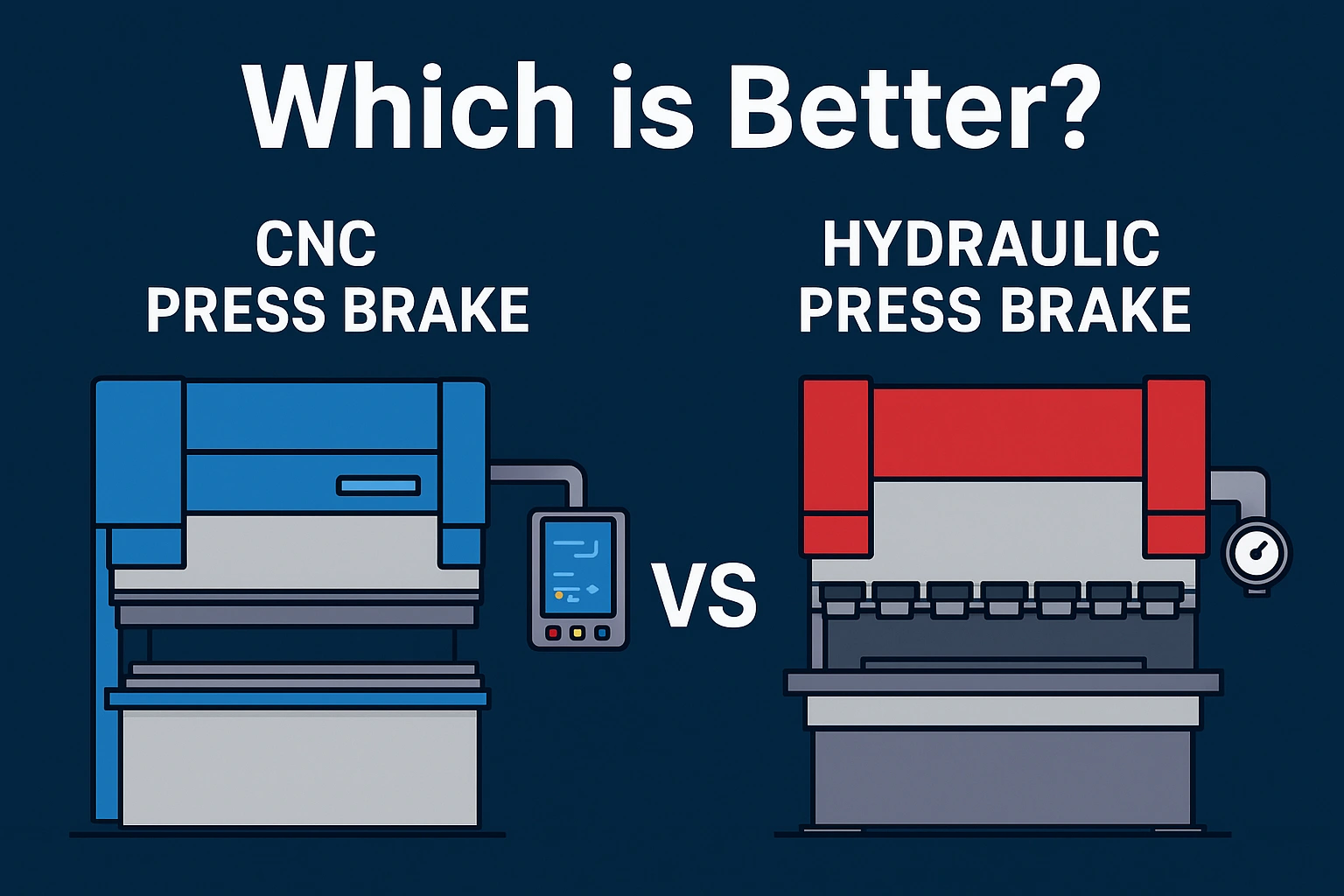
ما هو أفضل CNC الصحافة الفرامل أو الفرامل الصحافة الهيدروليكية؟
الوقت : ديسمبر 05, 2025 المشاهدات : 880
هل تواجه مكالمة صعبة في متجرك: التمسك بالقوة المباشرة لفرامل الصحافة الهيدروليكية ، أو الارتفاع إلى دقة نموذج CNC؟ كلاهما يتعاملان مع انحناء الصفائح المعدنية ، ولكن الحق يعتمد على طحنك اليومي ، من الوظائف السريعة إلى عمليات الإنتاج ذات المخاطر العالية. هذا الدليل يحطمه بوضوح ، حتى تتمكن من مطابقة الجهاز مع سير عملك دون الشعر. على طول الطريق، أنت’ سوف نرى كيف الشركات مثل ويزكوت تناسب في—they’ لقد بنينا اسمًا منذ عام 2018 مع معدات معتمدة على CE تلبي الاحتياجات المحلية والعالمية ، من قطع الليزر إلى الفرامل ، كل ذلك مدعومًا بخدمة سريعة مثل التشخيص عن بعد 24/7.
ما الذي يحدد الفرامل الهيدروليكي؟
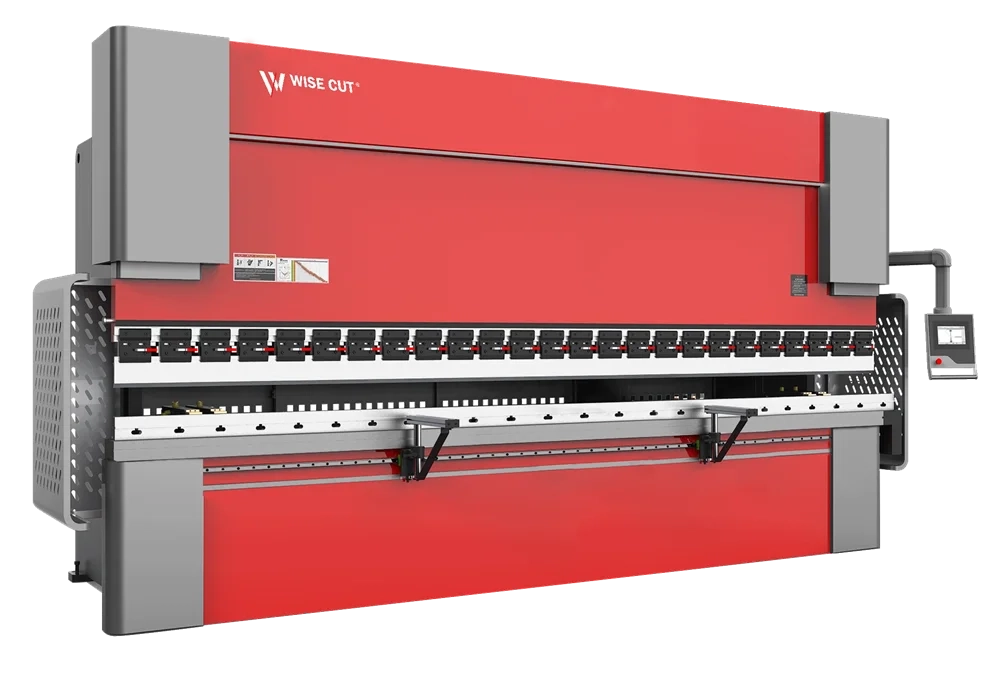
تعتمد الفرامل الهيدروليكية على ضغط السوائل لتشغيل الأسطوانات التي تنحني المعدن بين اللكمة والموت. تحصل على قوة خام لأوراق سميكة، تصل إلى 25 ملم من الفولاذ الكربوني أو أكثر، دون الإلكترونيات الراقية الحصول في الطريق. هذه الآلات تلمع في الأماكن التي تحتاج فيها إلى تنوعها على الفور - فكر في ضبط الزوايا باليد لأجزاء السيارات المخصصة أو تجهيزات البناء. نحن’ إعادة بناء صعبة، وغالبا مع الأسرة الملحومة التي تأخذ ضربات متكررة من الأحمال الثقيلة، مثل التصاميم المستقرة في WiseCut’ s خط الفرامل الصحافةحيث تقوية الأضلاع تبقي الأمور مستقرة على مدى سنوات من الاستخدام.
كيف يتراكم للاستخدام اليومي؟
الإعداد الهيدروليكي يسمح لك بتعديل الانحناءات يدوياً، دون الحاجة إلى برمجة. يتعامل مع ما يصل إلى 1000 طن من القوة ، مثالية للمواد السميكة مثل الأوراق المجلفنة أو السبائك. يستغرق الإعداد دقائق ، ومع عناصر التحكم البسيطة ، حتى الأيدي الجديدة في فريقك تلتقطها بسرعة. فقط ابقي عينك على مستويات السوائل - غير الفلاتر كل 1000 ساعة لتجنب التوقف. غريبة واحدة؟ إنهم يضربون القليل من القوة أكثر من أنت’ (د) مثل النوبات الطويلة، ولكن هذا التفاوض يبقي التكاليف منخفضة مقدماً.
ما الذي يحدد الفرامل الصحفي CNC؟
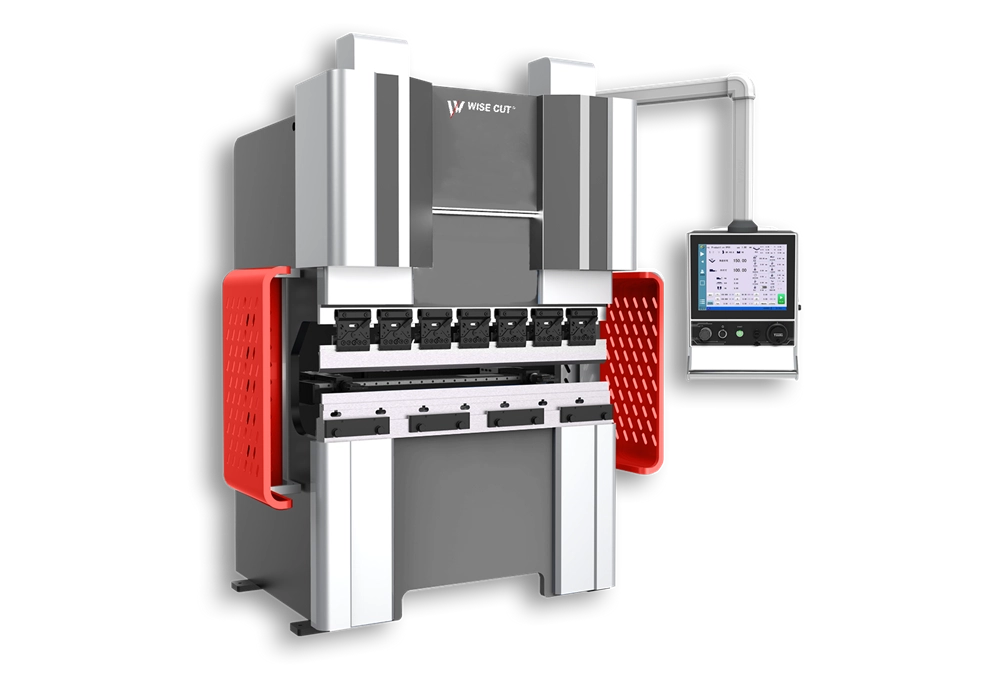
وتشمل فرامل الصحافة CNC الراقية أيضًا أجهزة استشعار تعويض الزاوية ومراقبة موقع الورم وأنظمة التتويج التلقائي ، والتي تحافظ على نتائج الانحناء المتسقة طوال عمليات الإنتاج الطويلة.
لماذا قد تغير الدقة لعبتك؟
قول أنك’ إعادة في التصنيع الكهربائي، مطاردة التسامحات الضيقة على الفولاذ المقاوم للصدأ حتى 20 مم سميكة. يتيح لك CNC محاكاة الانحناءات في ثلاثية الأبعاد أولاً، وتجنب الخردة من عمليات التجربة. تصل السرعات إلى 30-50 منحنى في الدقيقة ، مع ميزات مثل تبادل الأدوات التلقائي لحلاقة ساعات من الإعدادات. الطاقة الحكيمة، محركات سيرفو تناول 30-50٪ أقل من العصير من الهيدروليكية. العيب؟ تلك العلامة السعرية الأولية تعج ، ولكن فكر في الأوامر المتكررة التي تهبطك. عند الجمع مع روبوت الانحناء ، يمكن لفرامل الضغط CNC تحميل لوحات كبيرة وموقعها وتدويرها تلقائيًا - حتى 4 × 2 مترًا - مما يسمح بالانحناء المستمر دون رفع يدوي.
كيف يمكن مقارنتها على المواصفات الرئيسية؟
توفر الفرامل الهيدروليكية قابلية التكرار الصلبة ± 0.01mm للوظائف القياسية ، في حين تدفع CNC إلى ± 0.001mm - حاسمة إذا كنت ’ إعادة تغذية أجزاء مقطوعة بالليزر في الانحناءات دون فجوات. السرعة تفضل CNC في 30-50 دورة في الدقيقة مقابل 10-20 على الهيدروليكية ، ولكن هذا الأخير ينحني بشكل أفضل لزوايا غريبة دون إعادة التشفير. قدرة الطاقة؟ الهيدروليكية تهيمن على الرفع الثقيل أكثر من 500 طن. تتوفر أنظمة CNC في نفس نطاقات الحجم العالي مثل النماذج الهيدروليكية. . كلاهما تناسب المواد من الفولاذ الكربوني إلى التيتانيوم ، ولكن حواف CNC على غريبة رقيقة مع تشوه أقل. للحصول على مزيج من العالم الحقيقي، تحقق من WiseCut’ خيارات ثني CNC بأسعار معقولة - تجمع بين الاستقرار الهيدروليكي ودقة سيرفو الكهربائية ، مما يقدم استجابة سريعة للرمان وقابلية التكرار العالية للإنتاج الصناعي.
أين تتناسب المرونة؟
المرونة تنخفض إلى مزيجك. الهيدروليكية تسمح لك تبادل يموت على الفور لسمك متنوع، مثالية لمعالجة الأدوات منخفضة التشغيل أو الإعلانات الزخرفية. أقفال CNC في البرامج للاتساق الدفعة، على سبيل المثال في الآلات الغذائية حيث يجب أن تتطابق كل خياطة. كلاهما يتكاملان مع الفراغات أو المغناطيسات للتعامل مع الأوراق ، ولكن CNC’ برنامج مزامنة أسهل مع ملفات CAD. WiseCut’ صفحة الحلول يوضح تعديلات مثل هذه ، من ضبط الطاقة إلى تناسب التخطيط ، وغالباً ما تكون أقل من أسبوعين لكل تعديل عميل.
ما هي العوامل التي توجه اختيارك؟
متجرك’ إيقاع s يملي الاختيار. عمل مخصص منخفض الحجم؟ الذهاب الهيدروليكي للتعديلات بدون ضجة وتكلفة الدخول المنخفضة، حوالي 20،000-100،000 دولار. خطوط عالية الإنتاج في السيارات أو المصاعد؟ CNC’ تقلل الأتمتة من العمالة ، واسترداد استثمار 50،000 دولار في 2-3 سنوات من خلال قفزات الإنتاجية بنسبة 20-30٪. عامل في المواد - أشياء سميكة تميل الهيدروليكية؛ سبيكات الدقة تصرخ CNC. مهارات الفريق مهمة أيضا: تدريب الهيدروليكية بسرعة، يحتاج CNC إلى أسبوع أو نحو ذلك. كلاهما مناسبة، ولكن CNC’ إضافات مثل المحمولات تطلب التخطيط. WiseCut’ مركز الخدمة يغطي التثبيتات مع رسومات الأساس والفحوصات في الموقع ، بالإضافة إلى الزيارات السنوية للحفاظ على تشغيلك.
ماذا عن التكاليف والفوائد على المدى الطويل؟
التكاليف تتسلل إلى ما وراء الملصق. تدير الهيدروليكية 500 دولار سنوياً على السوائل والتعديلات. يوفر CNC الطاقة والنفايات ، وقطع الخردة بنسبة 15٪. العمل ينخفض 50-70٪ مع CNC ’ إعدادات سريعة - يتحول مشغلك من رعاية الأطفال إلى الإشراف. عائد الاستثمار يصل بشكل أسرع على الهيدروليكية للحفلات الصغيرة، ولكن مقاييس CNC مع النمو.
ما هي الصيانة التي تجعلهم يضربون؟
الصيانة’ t رائع، لكنه يوفر الصداع. بالنسبة للهيدروليكية، تحقق من الأسطوانات شهرياً للتسريبات وأنظمة التنظيف سنوياً - الميزانية 2-5٪ من التكلفة. تتطلب أنظمة CNC معايرة البرمجيات الشهرية والتزيين الأسبوعي للسكك الحديدية. العديد من فرامل الصحافة CNC الحديثة تتميز بتنبيهات التشخيص الذاتي التي تراقب درجة حرارة الزيت ومواءمة الرحم وأداء الخادم لمنع وقت التوقف. كلاهما يحتاج إلى بيئات نظيفة - الغبار يسد كل شيء.
أي حواف أمان لاحظ؟
السلامة تبدأ بالأساسيات حزمة الهيدروليكية توقف الطوارئ وحراس التحميل الزائد ؛ يضيف CNC قفل الباب الذي يقتل الطاقة على يفتح. المشابك الأرضية تمنع الصدمات ، وتحذر أجهزة الضغط من الحد الأدنى - وهو أمر حيوي لرؤوس البنادق أو الفوهات. ابقي المناطق واضحة، طاقم القطار سنوياً. هذا’ الأشياء الصغيرة، مثل خطوط المياه المنفصلة عن الكهرباء، التي تمنع الحرائق أو التشويقات.
أسئلة متكررة
Q1: هل يمكن لفرامل الصحافة الهيدروليكية التعامل مع نفس المواد مثل CNC؟
ج: نعم ، كلاهما يتعاملان مع الفولاذ الكربوني حتى 25 مم ، والصدأ إلى 20 مم ، والسبائك مثل النحاس أو التيتانيوم ، على الرغم من أن CNC يلمع على قطع رقيقة ودقيقة مع أضرار أقل للحافة.
Q2: كم من الوقت يستغرق الإعداد على كل واحد؟
ج: الإعدادات الهيدروليكية تشغيل دقائق مع تعديلات يدوية؛ برامج CNC في 10-15 دقيقة ولكن تكرر على الفور للدفعات ، مما يقلل من الوقت الإجمالي على التكرار.
س3ما’ s معيار الضمان؟
ج: تتوقع ثلاث سنوات قياسية ، مع خيارات لتوسيع على الأجزاء الرئيسية مثل الليزر أو المبردات ، بالإضافة إلى الدعم عن بعد.


