

How Much Does a Handheld Laser Welder Cost?
Time : Dec 11, 2025 View : 793
If you’re eyeing a handheld laser welder to speed up your shop’s workflow or cut down on rework, the upfront price might be your first hurdle. Prices swing from around $2,500 for basic setups to $15,000 for heavy-duty models packed with extras like advanced cooling or automation hooks. But let’s drill into what shapes that number, so you can spot the real value without getting lost in the specs. For starters, check out Wisecut, a player in the laser game that’s nailed down reliable machines for folks like you—think high-tech builds from their Tianjin and Jinan factories, all CE certified and backed by ISO standards. They’ve got a lineup that fits tight budgets while delivering on promises like fast installs and easy tweaks.
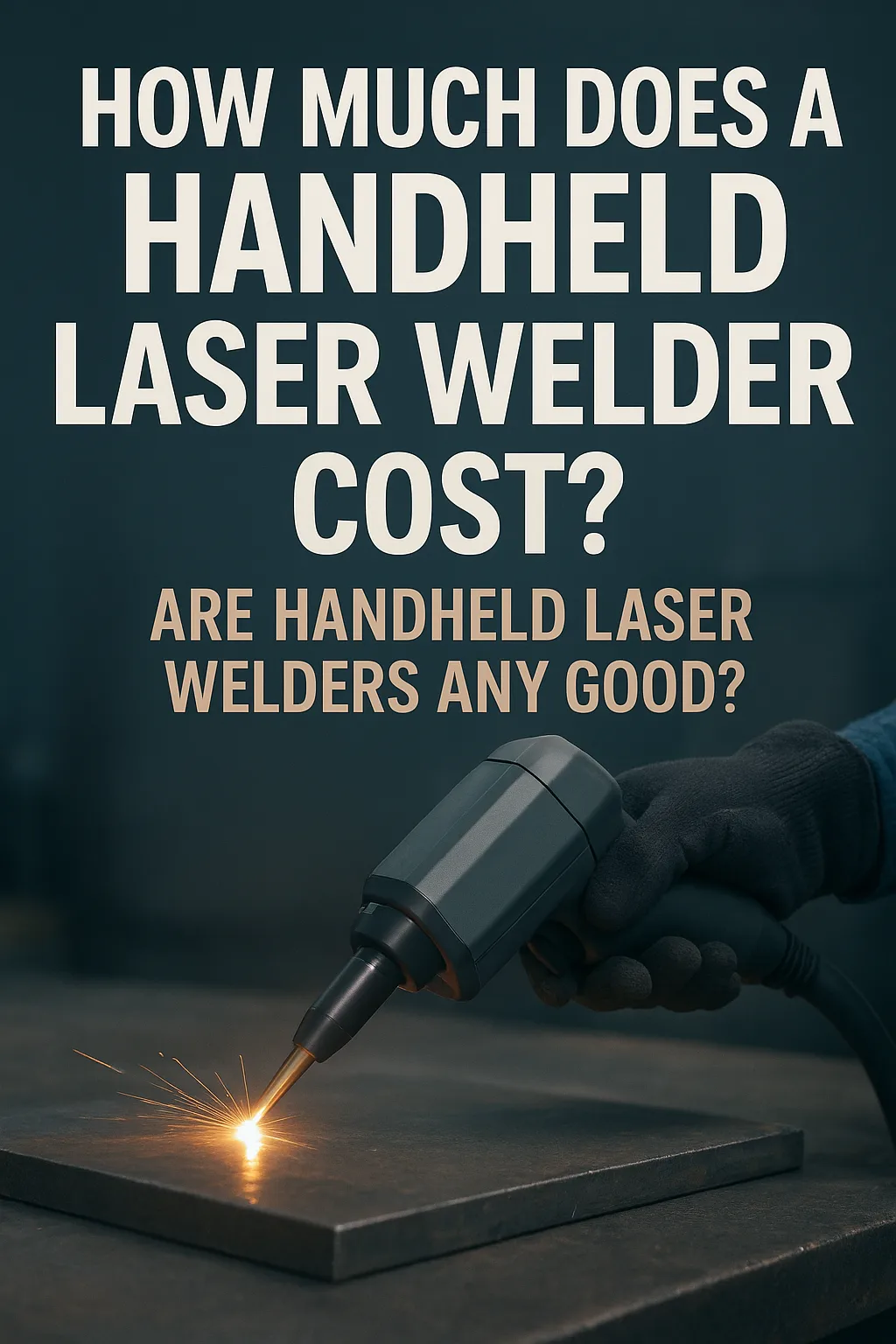
Are Handheld Laser Welders Any Good?
You might wonder if these tools live up to the buzz, especially when you’re stacking them against old-school TIG or MIG rigs that you’ve trusted for years. The short answer? They shine in speed and finish quality, turning out welds four times quicker with way less heat warp, which means smoother edges right off the bat—no endless grinding sessions. Training takes just one to three days, a fraction of the weeks needed for arc methods, so you can get your team up to speed without the headache. Mobility seals the deal too; these compact beasts let you maneuver around big pieces in construction or shipyards without dragging around a clunky station. Dive deeper into options like the Handheld Laser Welding Machine if you’re after something versatile for everyday jobs.
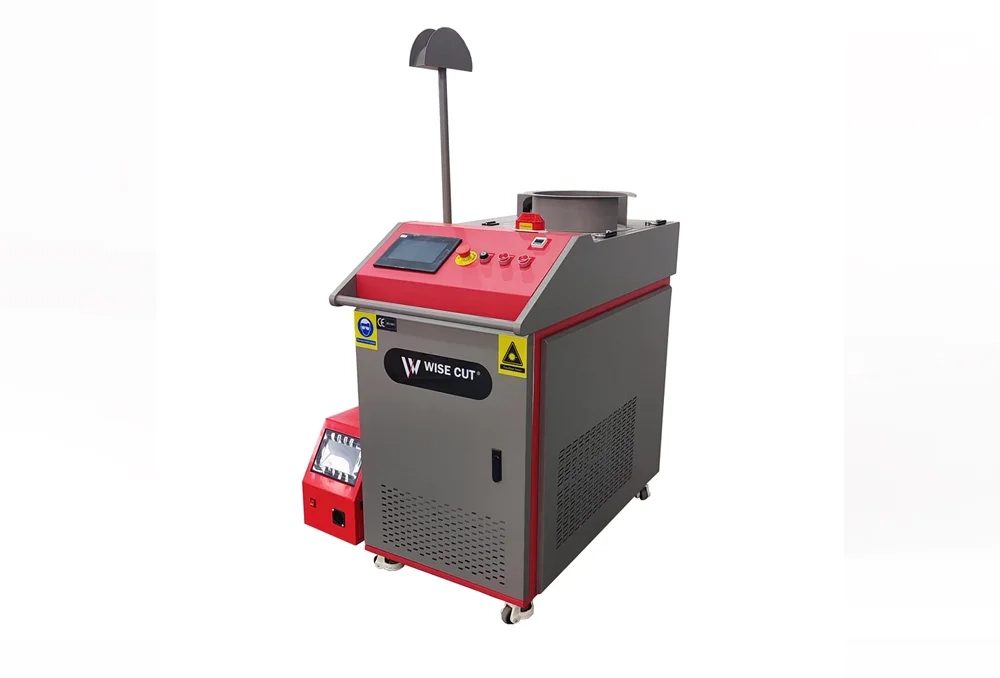
That ease ripples into your labor costs. You won’t chase rare skilled hands anymore—open hiring to folks who learn quick, and watch wages ease up as burnout drops. Plus, the optional wire feeder keeps things flexible for tricky joints. It’s not perfect for every curveball, like super-odd angles where a robot arm might edge it out, but for most runs, it beats the old ways hands down.
Why Consider Speed and Ease of Use?
Grab a unit with a touch screen controller that syncs the gun, feeder, and system seamlessly—supports 19 languages, so no fumbling through manuals. Cables stay tidy, and you can add tweaks like a double-press start or a 10-minute auto-standby with password lock. The gun itself? Ergonomic grip, multiple angles for your parts, and modes from spot to pulse welding. Welds pop out beautiful, no color shift, minimal filler needed. Just remember, dust can sneak in if you’re not swapping lenses regularly; a quick anti-dust table on air-cooled models helps there.
How About Lower Labor Costs?
Fewer pros needed means broader talent pools. Train operators till they nail programming and upkeep—free sessions at the factory cover that, or hop on remote support for on-site drills. Annual engineer visits keep things humming, one or two times a year if you ask.
What on Mobility and Flexibility?
Roll it anywhere with upgraded bases on big wheels. For larger gigs, pair it with robot setups for quick actions on standard shapes, boosting output without the fuss.
How Much Is the Welding Machine Price?
Price tags hinge on power levels and bells like water cooling or wire sync. Entry models hover near $1,860 for 1200W jobs on thin sheets, climbing to $6,200 for 3000W beasts that chew through 8-10mm steel. Factor in cooling—air for light duty saves cash but runs hot quick; water chills steady for long hauls. Build quality matters too; cheap ones flake after months, while solid ones pack Schneider electrics for longevity. Aim for 1500-2000W sweet spots if you’re balancing cost and punch. Curious about full lineups? Wisecut’s products page lays out Portable Air Cooled Laser Welding Machine options that keep things affordable yet tough.
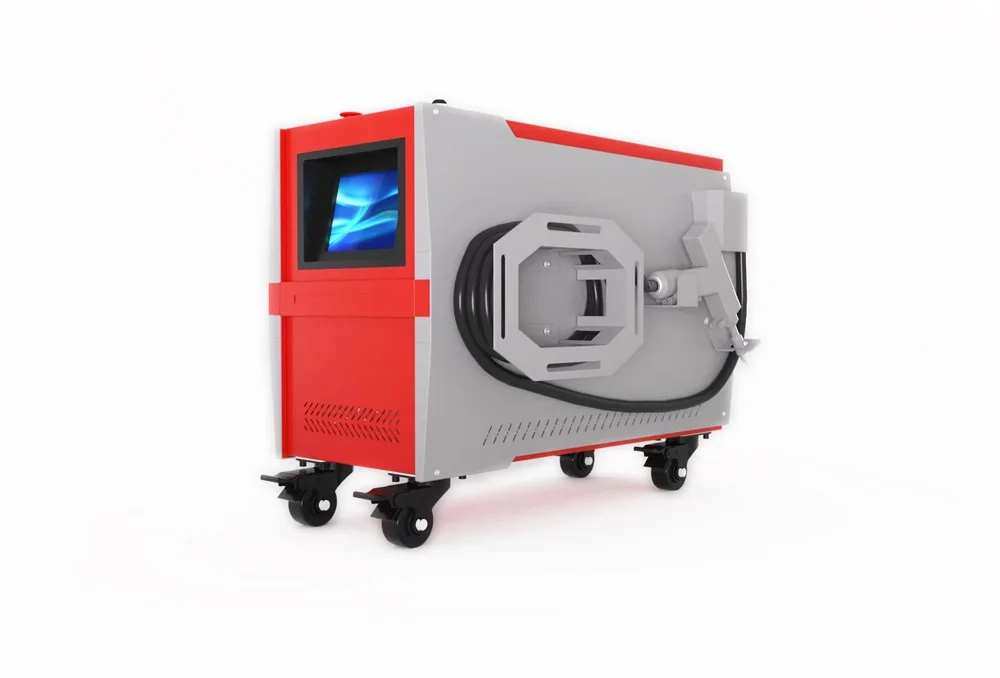
Steer clear of test-run lasers that fade fast—go for fresh sources with 1-2 year warranties and high beam quality for even heat. Controllers from top suppliers mean stable runs, no glitches mid-job.
Power Level Versus Price
| Power | Price Range | Best For |
|---|---|---|
| 1200W | $1,860+ | Thin stainless, quick fixes |
| 1500W | $2,500+ | General fab, low distortion |
| 2000W | $4,000+ | Medium plates, daily grind |
| 3000W | $6,200+ | Deep welds, industrial scale |
These tiers match your output needs—say, 100m/min speeds on paired cutters if you’re scaling up.
Is a Handheld Laser Welder Safe?
Safety nags at anyone new to lasers—Class IV beams pack a punch for eyes and skin if mishandled. But with proper gear like certified glasses and non-reflective setups, risks drop sharp. Built-ins like interlocks and shields kick in if doors crack or temps spike. Less arc flash than TIG means fewer burns overall, though you still watch for hot spots. Training’s key; cover access controls and alarms to keep your crew sharp. For peace of mind, explore Wisecut’s solutions where Water-cooled Laser Welding Machine setups include dual-temp chills for steady ops.
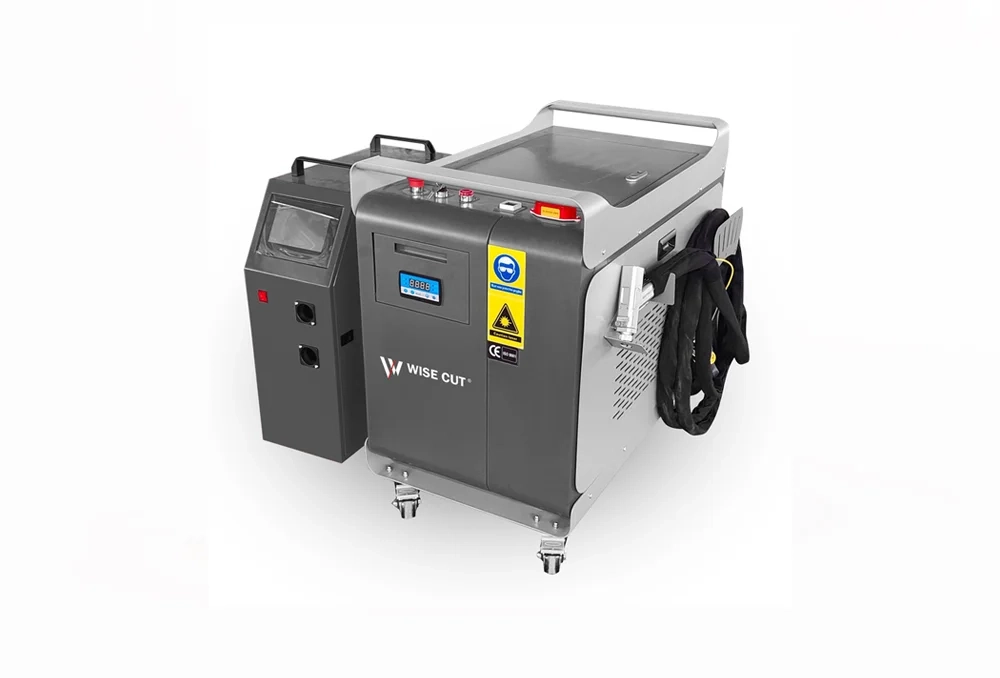
Heat stays focused, cutting fire odds, but glove up anyway. Alarms for flow, levels, and leaks mean no surprises—E1 for hot rooms, E9 for low water.
Breaking Down Laser Radiation Risks
IV-class means no peeking without shades. Lock zones, use barriers. Fibers self-cut on bends or leaks, a nice fail-safe.
Thermal Hazards in Play
Beams pinpoint energy, so less splash than arcs. Still, clear workspaces—no flammables nearby.
Built-in Safety Features
| Feature | What It Does |
|---|---|
| Trigger Interlock | Locks till grounded |
| Beam Shield | Blocks stray light |
| Cooling Sensor | Alarms on overheat |
| Pressure Buzzer | Beeps low air |
Add emergency stops, key locks, and gator clips for ground loops. Separate water from electrics, screw-lock panels. Warning labels scream “Class 4—don’t mess.”
How Much Power Does Laser Welding Need?
Most run on single-phase 220V, pulling 1.2-3.5kW—plug into standard outlets, no three-phase redo. Over 2000W? Size breakers right, add surge guards. Voltage steady at 205-235V AC, under 5V DC ground. Chillers hum at 13kW for 3000W lasers, dual circuits for source and head. Wisecut’s service hub covers remote diagnostics if lines glitch—24/7 English support, parts quick.
Match to your rig: 1200W on 30A for light work, up to 100A at 380V for beasts.
Power Draw Versus Output
| Laser Power | Input Pull | Supply Tip | Max Depth (Steel) |
|---|---|---|---|
| 1200W | 1.2kW | 220V/30A | 3-4mm |
| 2000W | 2.5kW | 220V/50A | 5-6mm |
| 3000W | 3.5kW | 380V/100A | 8-10mm |
Buyer Tips for Setup
All single-phase friendly. Keep from welders—5m buffer. On-site checks? They handle that, 48-hour global response.
FAQ
Q1: How do I fix a no-light issue on my welder?
A: Start with the ground clip—clamp close to the gun on clean metal. Check plugs for loose aviation connectors. If voltage dips under 200V, add a stabilizer.
Q2: What’s the best way to clean the protective lens?
A: Unscrew, pull the drawer in a dust-free spot. Wipe stains gentle; swap if black spots linger. Do it often to dodge weak beams.
Q3: Can I run this in a dusty shop?
A: Air-cooled with anti-dust tables works okay short-term, but water chills steady better. Seal cables, filter intakes—still, vent well or temps climb.
Q4: How long till I need a lens swap?
A: Depends on your grind—pure argon helps, but check weekly. Focus right, or it fries quick. Test sparks on 1mm plate for sweet spot.


