

How to Choose a Laser Cutting Machine Supplier in China
Time : Oct 23, 2026 조회수 : 15
Choosing a laser cutting machine supplier starts with a production brief. The supplier needs to know what you cut, how often you cut it, and what an acceptable finished part looks like. Those details give you a way to test machines and compare quotations on the same basis.
For an international buyer, the purchase also includes installation, training, spare parts, and support after the machine arrives. The following checks help you move from a broad supplier list to a specification and service agreement that your factory can use.
Start With Your Parts, Materials, and Production Plan
Define the work before requesting a machine recommendation. A useful brief includes the material grades and thicknesses you process regularly, the largest sheet and finished part, and a drawing that represents your most demanding recurring job. Record the edge condition and dimensional tolerance your customer accepts. Include typical batch sizes and the number of shifts you expect to run.
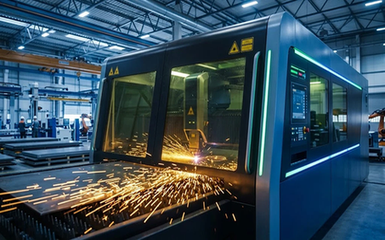
These requirements narrow the machine format. A shop cutting flat sheet can review fiber laser cutting machine options by table type and workpiece size. Tube or profile work calls for a different holding and feeding arrangement. If most orders are small and change frequently, setup and operator access may matter more than automated sheet handling. When the same blanks run through multiple shifts, loading and unloading time becomes a larger part of the production calculation.
Send the same brief to every shortlisted supplier. Ask each one to identify the proposed machine model, its standard configuration, and every option needed to meet your requirements. This makes differences in the offers visible early.
Verify the Machine Configuration Behind the Quote
A quoted power rating describes the laser source; it does not describe the whole cutting process. Request a configuration sheet for the exact machine being offered, with component models and the performance conditions attached to each claim.
Check the Core Components
Confirm the laser source, cutting head, controller, drive system, guide rails, chiller, and extraction arrangement. Ask who supplies each item, which version will be installed, and who handles warranty claims for it. A named component is useful only when it appears on the final bill of materials and the delivered machine.
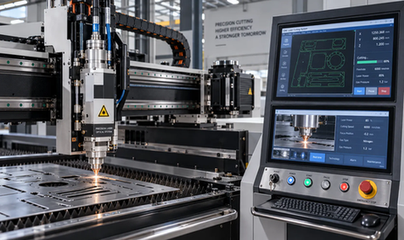
The controller deserves a practical demonstration. Have the supplier load one of your drawings, set the cutting sequence, and show how the operator changes a program, checks alarms, and backs up settings. Confirm the software license and update terms in writing. Check whether your factory can obtain replacement lenses, nozzles, filters, and other routine parts in its market.
Match the Table and Handling System to the Work
Working area must cover your incoming stock and the largest part, including space required for clamps or supports. Compare the quoted cutting range at a stated material, thickness, assist gas, and quality level. A maximum thickness figure without those conditions is too limited for production planning.
For a compact flat-sheet workflow, examine the working area, machine access, beam, and control details of a single-platform sheet cutting machine.
For repeated sheet runs, compare changeover time and labor with an 자동 용지 적재 시스템. WiseCut’s loading solution combines a truss robot, vacuum pickup, and a two-level exchange trolley. Its product information also notes that oily or adhering sheets can require manual help with separation. Include that intervention in any estimate of unattended operation.
Ask for a layout drawing showing machine access, sheet staging, scrap removal, utilities, and maintenance clearance. The supplier should identify which equipment and site work are included in its quotation.
Test Cutting Performance on Your Own Parts
Sample cuts provide evidence for the material and geometry you intend to process. Send actual stock where feasible, along with drawings and written acceptance criteria. Choose a part with the features that cause trouble in production, such as small holes, narrow webs, close contours, or a demanding visible edge.
Agree on the test conditions before cutting: material grade and thickness, assist gas, nozzle, power setting, and any finishing permitted after the cut. Request the program or parameter record and an unedited view of the complete cycle. Inspect the physical sample when the purchase value or part requirements justify shipment.
Measure dimensions at several locations and inspect the cut edge, burr, heat effects, and piercing marks. Repeat the job if consistency across a batch matters. Record cutting time separately from loading, sorting, and cleaning time. If the supplier proposes different settings for better speed or finish, ask it to identify the associated gas consumption and edge result.
Write the accepted sample and measurement method into the factory acceptance test. A successful demonstration should lead to a clear criterion for the machine that will be shipped.
Schedule the factory acceptance test before packing. Use the agreed part and stock, inspect the completed cuts, and verify that the delivered controller, laser source, cutting head, and options match the purchase documents. Record alarms and corrective work during the test. Agree on the evidence you will receive if your team cannot attend in person, such as serial-number photographs, a continuous test video, measurement results, and a signed acceptance record. Site acceptance should then confirm installation and operation under your factory’s utilities and working conditions.
Check the Supplier’s Factory and Documentation
Verify the legal seller, the production site, and who will assemble and test your machine. During a visit or live factory tour, ask to see a machine in assembly, a completed machine under test, and the records used before shipment. Match the name on the quotation, invoice, certificates, and warranty documents.
Request model-specific drawings, electrical requirements, an installation checklist, operating instructions, and a list of supplied accessories. Ask for the certificate or declaration required in your destination market and check its issuer, model scope, and validity. A general statement that a company is certified does not establish the compliance of the exact configuration you are buying.
Factory size and years in business can help you understand capacity, but they do not replace a test of your parts or a review of service obligations. If an agent will provide local support, identify that company, its technician coverage, and the parts it holds. Confirm whether the manufacturer or the agent owns each warranty task.
Ask who will issue the final operating manual and maintain the machine’s configuration record. The record should include serial numbers for major components, installed software versions, electrical drawings, and the parts list. It gives your maintenance team a reference when ordering spares or requesting remote diagnosis. Check that the documents will be available in a language your operators and technicians can use.
Compare Total Cost and After-Sales Terms
Compare offers against one scope of supply. The lowest machine price can become a higher project cost when essential equipment, shipping, installation, or support appears on separate lines.
|
Item to compare |
What to request in writing |
|
Machine and options |
Model, laser power, component versions, table, enclosure, automation, and supplied accessories |
|
Site requirements |
Power, air or gas, cooling, extraction, foundation, floor space, and buyer-supplied work |
|
Delivery |
Packing method, shipping terms, lead time, unloading responsibility, and damage procedure |
|
Acceptance |
Sample part, measurement method, factory test, site test, and remedy for failed criteria |
|
Support |
Installation, operator training, remote response, on-site visit terms, and language |
|
Ownership costs |
Consumables, spare parts, software, warranty exclusions, and maintenance schedule |
Ask for the warranty start date and exclusions. Clarify which party pays travel and accommodation for an on-site engineer, how remote faults are reported, and how long critical spares usually take to arrive in your country. A response target should distinguish the first reply from the time needed to diagnose and repair a fault.
Estimate running cost using your actual production schedule. Include electricity, assist gas, filters, nozzles, lenses, planned maintenance, and the labor needed to load and remove material. Ask suppliers to state the assumptions behind any cost-per-part figure. The comparison is most useful when every offer uses the same part mix, shift pattern, gas prices, and target edge quality.
WiseCut describes English-language remote technical support, training, spare-parts supply, and on-site engineer assistance on its 서비스 페이지. Discuss the applicable terms for your destination and machine in the quotation. The page’s general service statements should become specific responsibilities and costs in the purchase agreement.
Send a Quotation Request Suppliers Can Answer Precisely
Give every shortlisted supplier a single request package. Include material grades, regular and maximum thicknesses, sheet dimensions, representative drawings, target output, required edge finish, and the intended automation level. Add your factory’s power supply, available floor space, gas supply, and destination country. State whether you need installation and operator training.
Ask the supplier to return a machine drawing, itemized configuration, sample-cut plan, delivery schedule, and service proposal. Leave room for an alternative configuration, but require it to explain how the alternative meets the same part and output requirements.
WiseCut offers sheet cutting machines in several table and handling configurations and provides customized machine drawings. You can send your cutting requirements with the request package so its proposed configuration can be compared with the other offers on the same terms.
FAQ는
Q1: How can I tell whether a supplier manufactures the machine?
A: Confirm the legal seller and production address, then review assembly and test records for the quoted model. A live factory visit can show whether the supplier builds and tests the machine. If an agent is involved, identify which company will provide parts and honor the warranty.
Q2: What should I ask for in a sample-cut test?
A: Provide your material and drawing, specify the acceptable dimensions and edge condition, and agree on the gas and settings. Request a complete cycle record and inspect the sample. Repeat the cut when batch consistency is important.
Q3: How do I compare quotes with different components?
A: Put the component model, included options, test conditions, and warranty owner in one comparison table. Ask each supplier to price the same required functions. Record any proposed substitute and the reason it will meet your production brief.
Q4: Which after-sales terms should I confirm before ordering?
A: Confirm the warranty period and start date, exclusions, remote support hours, on-site engineer costs, training scope, software terms, and spare-part availability for your country. Add the agreed responsibilities and acceptance procedure to the purchase documents.


