

5 Key Considerations for Laser Cutting Aluminum
Time : Mar 26, 2026 View : 243
When entering the field of metal processing, it becomes clear that aluminum presents certain challenges in laser operations. This material remains light in weight, maintains its luster, and withstands corrosion effectively. However, attempting to process it without appropriate equipment often leads to issues such as a harmed optical component or an irregular boundary. Managing its strong reflective properties and substantial heat absorption demands a device that performs reliably even in demanding conditions. This is precisely where Wisecut plays a vital role. The company has developed advanced equipment since receiving certification from the China Ministry of Science and Technology in 2020. Furthermore, their solutions address specific difficulties encountered in industrial settings.
Why Choose Laser Cutting for Aluminum?
When transforming an aluminum panel into a practical item, laser processing provides a degree of accuracy that conventional cutting tools simply cannot achieve. It delivers finely detailed borders and enables the creation of small, complex openings with minimal effort. Since no mechanical instrument contacts the material, concerns about instrument degradation or ongoing expenses for blade replacements become unnecessary.
The process also operates at remarkable velocity. For example, certain advanced platforms reach operational speeds of 110m/min. Consequently, transitioning from producing one sample to a complete batch of 1,000 pieces occurs without altering the established procedure. In sectors such as automotive manufacturing or household device production, the capacity to form intricate designs without additional forming tools represents a significant advantage for operational costs.
What Are the Technical Hurdles With Reflective Materials?
Aluminum acts much like a reflective surface for laser rays. This elevated reflection poses a substantial obstacle. The ray can return directly toward the device’s inner elements. If the apparatus lacks preparation for such “back-reflection,” it faces the danger of damaging costly optical parts.
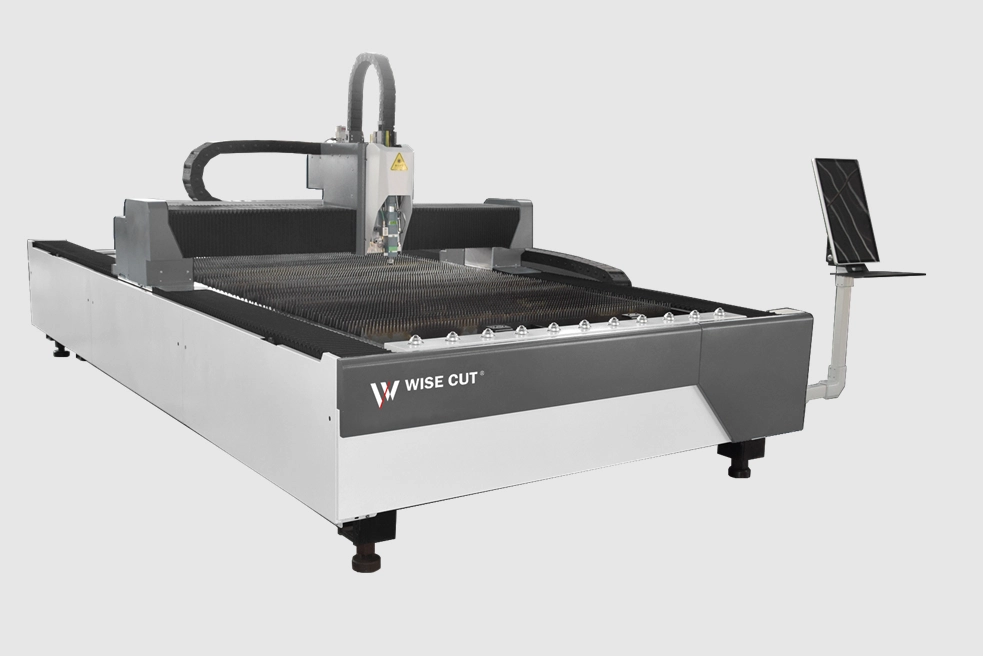
Thermal conduction presents another concern. Aluminum absorbs warmth and disperses it from the processing site more rapidly than steel does. Therefore, the laser requires sufficient intensity to liquefy the substance before the heat spreads throughout the panel. Contemporary configurations frequently incorporate a Single Platform Metal Sheet Laser Cutting Machine. This setup harmonizes strength and firmness to ensure a neat division, even as the material attempts to dissipate the energy.
Is Initial Investment Worth the Long-Term Gain?
Devices with substantial power involve considerable expense, and the initial cost can seem daunting. As an illustration, a 3000W fiber laser cutting machine typically costs about $18,055 FOB. Nevertheless, evaluating the extended service duration and operational effectiveness remains essential.
Premium devices employ elements such as aviation aluminum transverse beams. These undergo casting and subsequent aging to remove internal tensions. As a result, the apparatus avoids deformation during prolonged intensive operation. When considering the superior photoelectric conversion rate of a reliable laser generator, the reductions in power consumption alone render the upfront expenditure more akin to a prudent allocation.
How Do You Improve Cutting Results?
Achieving an ideal boundary on aluminum depends on three primary aspects: intensity, velocity, and gas selection. For processing dense panels, a robust power source—such as 3000W or higher—proves necessary to sustain a consistent division. Establishing the appropriate velocity holds equal importance. Proceeding too slowly causes excessive melting, while advancing too quickly results in an uneven, “bearded” boundary.
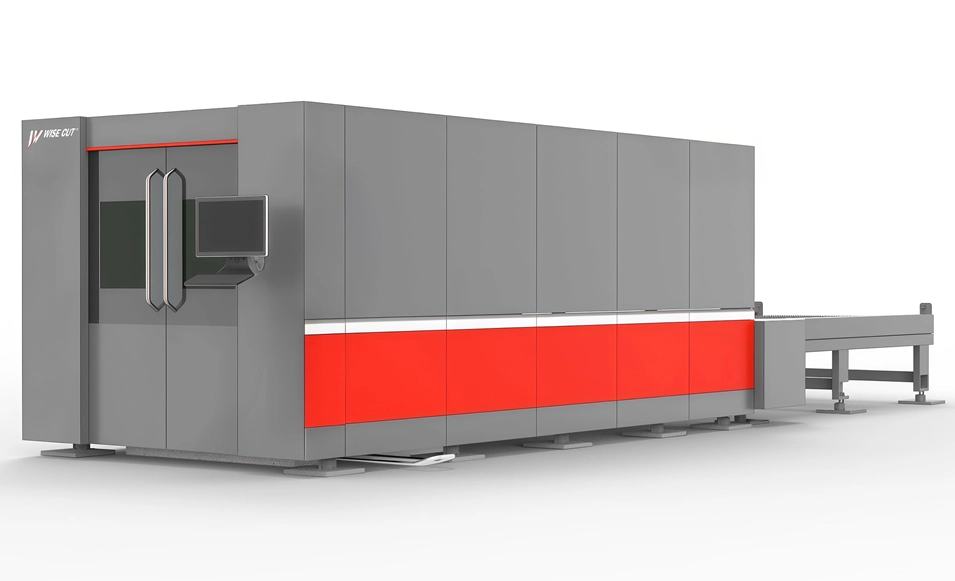
Employing nitrogen as a supporting gas serves as a standard method to avoid oxidation. This yields a polished, pristine boundary that requires no additional abrasion. In addition, attention to optical components matters greatly. If the device’s control system tracks factors like chamber pressure and lens warmth, it identifies issues prior to any damage to the material. For optimal security and tidiness, a High performance Full cover laser cutting machine confines any debris and safeguards the user against unintended reflections.
Why Is Maintenance Non-Negotiable?
Simply installing and ignoring these devices proves insufficient. Aluminum residue poses a genuine difficulty and may pollute optical components if precautions lapse. Routine inspections become indispensable. For instance, upon observing reduced laser output, an immediate examination for dark marks or particles on the safeguard lens is advisable.
An effective cooling mechanism also proves invaluable. Certain cooling units apply separate temperature controls for the laser and the processing tip. This averts excessive warmth buildup during extended sessions. Maintaining clean coolant and refreshing it with seasonal shifts—from winter to summer—prevents circulation alerts and sustains peak functionality. Should difficulties arise, consulting the news-center for recent technical advice or software enhancements frequently reduces diagnostic efforts.
For those interested in learning more, reviewing available technologies or consulting with experienced providers may offer useful insights into optimizing your aluminum cutting processes.
FAQ
Q1: What materials can a standard fiber laser cut besides aluminum?
A: These machines show wide versatility. They handle various items like carbon steel, stainless steel, brass, and copper. They also process different alloys, including titanium and manganese. This capability aids numerous production requirements in industry.
Q2: How thick can a 3000W laser cut?
A: During typical use, a 3000W setup handles carbon steel up to 25mm thick. It manages stainless steel up to 20mm. These limits can change a bit depending on the material type and the chosen parameters.
Q3: Why is my laser head overheating?
A: Several reasons might cause this issue. For example, a broken fan in the cooling unit could be at fault. Residue buildup on the filter screen is another possibility. In addition, vents too close to a blocking wall might trap warm air and block proper airflow.
Q4: Do I need special training to operate these machines?
A: Yes, such training is generally required. Suppliers usually provide it at no cost. The goal is to help operators understand the equipment’s design, software controls, and maintenance steps fully.
Q5: What should I do if the red light on my laser shifts?
A: For small changes, adjustments through the control panel interface often fix the problem. However, larger shifts require careful adjustment of the A/B/C screws on the cutting head to restore proper alignment.


