

Güvenilir Fiber Lazer Kesim Makinesi Üreticisi Nasıl Seçilir?
Tarih: 14 Ağustos 2026 Görüntüleme : 688
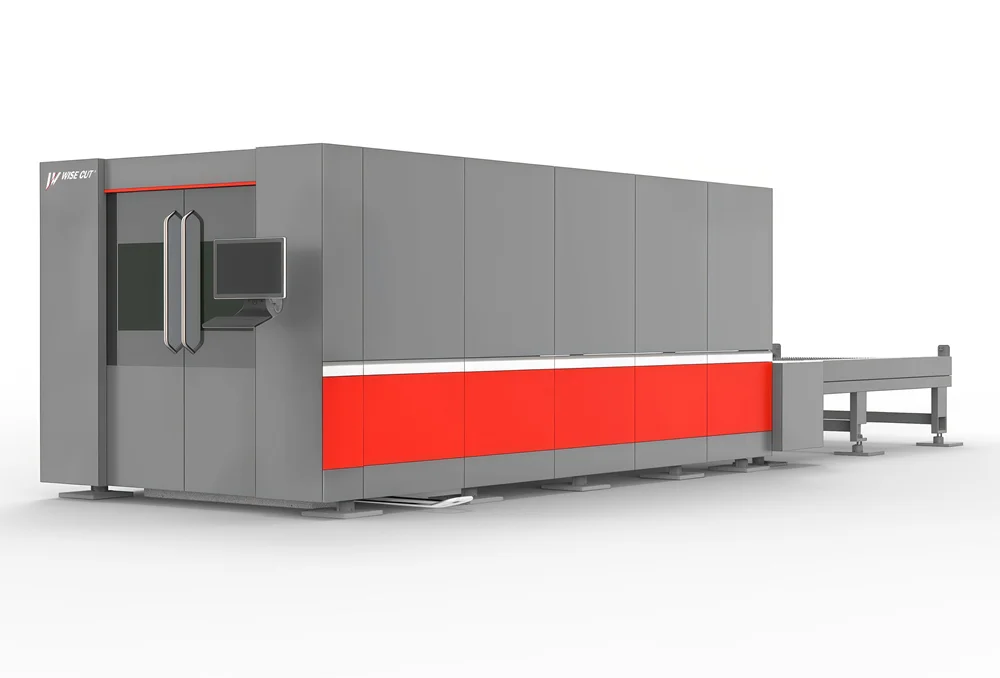
Bir Fiber Lazer Kesim Makinesi Metal işleme işletmeleri için ciddi bir yatırımdır. Teslim süresini, iş gücü kullanımını, malzeme israfını, müşteri fiyat tekliflerini ve nakit akışını etkiler. Bu nedenle en iyi üretici her zaman en düşük fiyatı sunan değildir. En iyi üretici, makineyi gerçek üretim işinize uygun hale getirebilen üreticidir.
B2B alıcıları için temel endişeler genellikle açıktır: fiyat, lazer gücü, kesme kalınlığı, kesme hızı, makine markası, bileşen kalitesi, satış sonrası hizmet ve yatırım getirisi. İyi bir tedarikçi, belirsiz vaatlerle değil, verilerle bu noktaları karşılaştırmanıza yardımcı olmalıdır.
Üreticileri karşılaştırmadan önce nelere dikkat etmelisiniz?
Tedarikçileri karşılaştırmadan önce, kendi üretim detaylarınızı toplayın. Güvenilir bir fiyat teklifi için malzeme türünüz, günlük kalınlık, sac boyutu, gerekli kenar kalitesi, üretim hedefi ve atölye düzeniniz gereklidir. Bu detaylar olmadan, tedarikçi sadece tahmin yürütüyor demektir.
Malzeme ve Günlük Kalınlık
Öncelikle düzenli olarak kullandığınız malzemeleri listeleyin: karbon çelik, paslanmaz çelik, alüminyum, pirinç, bakır, galvanizli sac veya karışık metaller. Ardından günlük kesim kalınlığını, ara sıra karşılaşılan maksimum kalınlıktan ayırın.
Bu önemlidir çünkü maksimum kesme kalınlığı genellikle belirli koşullar altında test edilir. Kararlı üretim kalınlığı, malzeme kalitesine, yardımcı gaza, kenar kalitesine, kesme hızına, nozul durumuna ve operatör ayarlarına bağlıdır. İki kalınlık değeri farklı malzemelerden veya gazlardan elde edilmişse, doğrudan karşılaştırılmamalıdır.
Makine Tipi ve Fabrika Yerleşimi
Standart bir sac kesme makinesi birçok levha kesme işi için uygundur. Eğer boru kesimi de yapıyorsanız, sac ve boru kesme özelliğine sahip bir model yerden tasarruf sağlayabilir ve ek yatırımı azaltabilir. Tekrarlanan partiler halinde kesim yapıyorsanız, bir değiştirme tablası yükleme ve boşaltma sırasında bekleme süresini azaltabilir.
WiseCut'ın Değişim Masası Fiber Lazer Kesme Makinesi Bu bir referanstır. 3 Ağustos 2026 tarihinde kontrol edilen resmi ürün sayfasında 3-12 kW lazer gücü, 4050 x 2050 mm işleme alanı, 100 m/dak çalışma hızı ve 30 mm'ye kadar kesme kalınlığı listelenmiştir. Örnek kapsamı yalnızca bu model sayfasıdır. Hesaplama temeli, listelenen makine parametreleridir, her malzeme için evrensel bir test değildir. Gerçek sonuçlar yine de gaz, odaklama, plaka durumu ve kenar kalitesi hedefine bağlıdır.
Fiber lazer kesim makinesinin fiyatı ne kadar?
Bir maliyeti Fiber Lazer Kesme Makineleri Fiyat, sadece watt gücüne bağlı değildir. Güç, çalışma alanı, muhafaza, değişim tablası, lazer kaynağı, kesme kafası, kontrol ünitesi, soğutucu, servo sistemi, toz giderme, otomasyon, ambalaj ve kurulum gibi birçok faktör nihai fiyatı etkileyebilir.
Başlıca Fiyat Faktörleri
Daha yüksek güç genellikle daha pahalıdır. Daha büyük bir yatak daha pahalıdır. Tamamen kapalı bir sistem veya ısı eşanjörü de fiyatı yükseltir. Otomatik yükleme maliyeti artırır, ancak yoğun bir fabrikada iş gücünü ve bekleme süresini azaltabilir.
Daha akıllıca soru "Hangi makine en ucuz?" değil, "Hangi makine kullanılabilir parça başına en düşük maliyeti veriyor?" olmalıdır.
Sormanız Gereken Gizli Maliyetler
Üreticiye fiyat teklifine şunlar dahil olup olmadığını sorun:
- Nakliye ve paketleme
- İthalat vergisi ve yerel vergi
- Kurulum ve eğitim
- Yedek lensler, nozullar ve seramik halkalar
- Gaz sistemi veya hava kompresörü ihtiyaçları
- Toz toplayıcı veya havalandırma
- Yazılım ve yuvalama desteği
- Garanti ve uzaktan destek
- Yedek parça tedariki
İki teklif aynı kalemleri içermiyorsa, doğrudan karşılaştırılamazlar. Daha kapsamlı eğitim ve yedek parça desteği içeren bir teklif daha yüksek görünebilir, ancak makine arızası işletmeniz için maliyetli ise daha güvenli olabilir.
Hangi Güçte Fiber Lazer Kesim Makinesine İhtiyacınız Var?
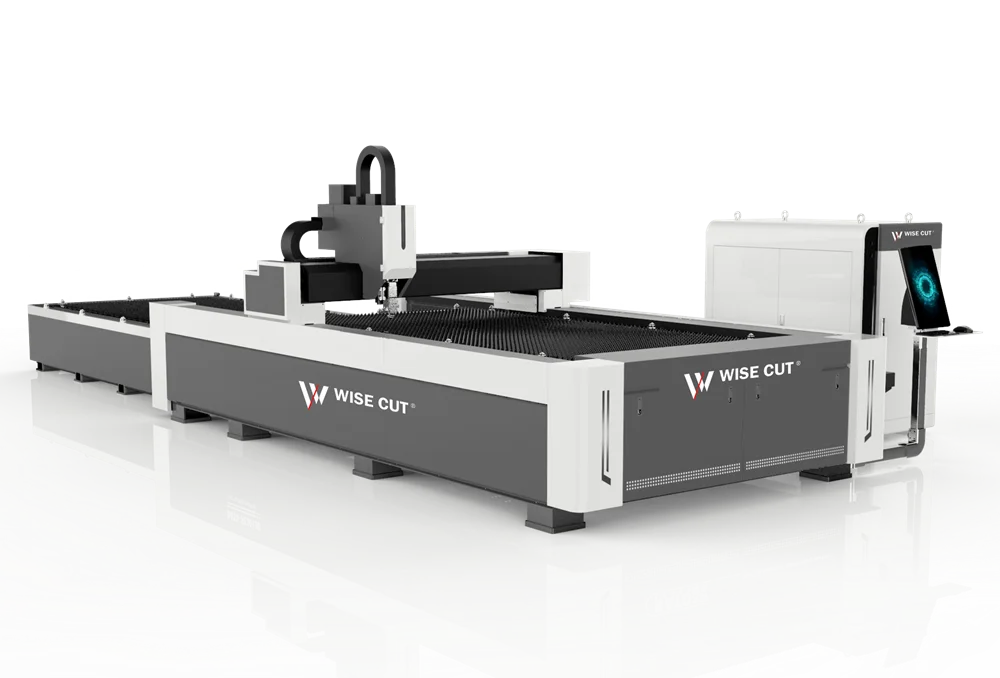
Lazer gücü, satış görüşmesinde bahsedilen en kalın iş için değil, günlük üretim için uygun olmalıdır. Daha yüksek güç, daha kalın malzemeleri kesebilir ve hızı artırabilir, ancak aynı zamanda daha yüksek makine maliyeti, daha zorlu saha gereksinimleri, daha fazla gaz ihtiyacı ve daha ciddi eğitim ihtiyaçları da getirir.
İnce Sac, Genel İmalat ve Ağır Levha
İnce sac işlerinde düşük güçlü makineler yeterli olabilir. Genel imalat işlerinde birçok alıcı, fiyat ve kesme yeteneği arasında denge sağladığı için orta güç aralığını tercih eder. Kalın sac veya yüksek hacimli üretimde daha yüksek güç yatırıma değer olabilir, ancak bu yalnızca sipariş hacmi yatırımı desteklediğinde geçerlidir.
WiseCut'ın WT-3015 modeline ait, 3 Ağustos 2026 tarihinde kontrol edilen şirket materyallerinden elde edilen verilerde, 1550 x 3050 mm çalışma boyutu, 100 m/dak maksimum yüksüz çalışma hızı, 1 ton tabla yükleme ağırlığı ve 25 mm maksimum işleme kalınlığı belirtilmiştir. Örneklem kapsamı tek bir model konfigürasyonudur. Hesaplama temeli, tüm alaşımlarda yapılan bir kesme hızı testi değil, listelenen makine parametreleridir. Bu rakamlar uygun çalışma koşulları altında geçerlidir ve her levha veya yüzey işlemi için bir garanti olarak değerlendirilmemelidir.
Fiber lazer kesim makinesi ne kadar kalınlıkta kesim yapabilir?
Kesme kalınlığı lazer gücüne, malzemeye, yardımcı gaza, odaklamaya, nozüle, yüzey koşullarına ve kenar kalitesine bağlıdır. Katalog numarası makineleri filtrelemenize yardımcı olabilir, ancak satın alma için tek kriter olmamalıdır.
|
Güç Aralığı |
Tipik Satın Alma Senaryosu |
Neyi Doğrulayacağız? |
|
1kW-2kW |
İnce levha ve hafif imalat |
Günlük kalınlık, kenar kalitesi, yakıt maliyeti, hız |
|
3kW-6kW |
Genel sac metal işleri |
Sabit kalınlık, kontrol ünitesi, kesme başlığı, servis |
|
8kW-12kW+ |
Ağır plaka veya yüksek çıkışlı |
Tesis gücü, gaz talebi, otomasyon, kullanım |
Bu tablo, evrensel bir kesim tablosu değil, satın alma referansıdır. Örnek aralığı, yaygın tedarik senaryolarını yansıtmaktadır. Hesaplama temeli, laboratuvar testlerine değil, uygulama eşleştirmesine dayanmaktadır. Nihai seçim, örnek kesim yoluyla teyit edilmelidir.
Kesme hızı ve kenar kalitesini nasıl karşılaştırmalısınız?
Kesme hızı, ancak nihai parça standartlarınıza uygun olduğunda önem taşır. Ağır cüruf, pürüzlü kenarlar, kötü küçük delikler veya ısı izleri içeren hızlı bir kesim, kaynak, bükme, kaplama veya montajı yavaşlatabilir.
Gerçek çiziminizde yalnızca maksimum çalışma hızını değil, çevrim süresini de isteyin. Maksimum çalışma hızı genellikle yüksüz hareket değeridir. Her malzemede kesme hızına eşit değildir. Gerçek bir karşılaştırma için delme, köşe kesme, küçük delikler açma, yerleştirme, yükleme, boşaltma ve sıralama işlemlerini de dahil edin.
Hangi marka veya bileşenleri karşılaştırmalısınız?
Marka seçimi pratik olmalıdır. Güvenilir bir üretici, lazer kaynağı, kesme kafası, kontrol sistemi, soğutucu, elektrikli parçalar, kılavuz ray, servo motor, makine gövdesi ve yedek parça planını açıklamalıdır.
Otomasyon, yatırım getirisi planınızın bir parçasıysa, tedarikçinin uyumlu sistemlere sahip olup olmadığını kontrol edin. WiseCut'ın Otomatik Levha Yüklemesi ile Fiber Lazer Kesme Makinesi Bu, otomatik sac metal üretiminde yükleme ve boşaltma ekipmanıyla birleştirilmiş bir makine örneğidir. Resmi sayfada bunun verimliliği artırmanın ve maliyeti düşürmenin bir yolu olduğu belirtiliyor. Gerçek kazanç yine de parti büyüklüğüne, yerleşime, operatör alışkanlıklarına ve makine kullanımına bağlıdır.
Satış Sonrası Destekten Ne Beklemelisiniz?
B2B alıcıları için kesintisiz çalışma süresi para demektir. Makine basit bir sorun giderme işlemi için günlerce bekliyorsa, küçük bir indirim hiçbir işe yaramaz. Kurulum, operatör eğitimi, uzaktan teşhis, garanti koşulları, yedek parça stoğu ve servis yanıtı hakkında bilgi alın.
WiseCut'ın hizmet desteği PBu, 7/24 çevrimiçi teknik destek, eğitim, yedek parça temini ve teslimattan satış sonrası kurulumuna kadar yardım anlamına gelir. Üreticileri karşılaştırırken bu tür hizmet detaylarını bir ölçüt olarak kullanın.
Satın Almadan Önce Yatırım Getirisini (ROI) Nasıl Hesaplarsınız?
Yatırım getirisi (ROI), ölçülebilir üretim rakamlarına dayanmalıdır. Mevcut dış kaynak kullanım maliyeti, işçilik saatleri, beklenen makine kullanım oranı, parça kar marjı, gaz ve elektrik maliyeti, sarf malzemeleri, bakım, hurda oranı ve finansman maliyeti ile başlayın.
Ardından beklenen aylık kazancı toplam yatırımla karşılaştırın. Toplam yatırım, makine fiyatı, nakliye, vergi, kurulum, eğitim, aletler, gaz sistemi, havalandırma ve yedek parçaları içermelidir. Tedarikçi yalnızca makine fiyatını hesaplarsa, geri ödeme süresi gerçek hayattakinden daha iyi görünebilir.
Daha yüksek güç, sürekli kalın levha siparişleriniz olduğunda ve makineyi meşgul tutacak kadar işiniz olduğunda yatırım getirisini artırabilir. Ancak işlerin çoğu ince levha ise ve makine boşta duruyorsa, yatırım getirisini olumsuz etkileyebilir. Daha yüksek watt gücü, doğru koşullarda daha hızlı kesimi destekleyebilir, ancak bu kapasitenin para kazandırıp kazandırmayacağı sipariş hacmine bağlıdır.
WiseCut / BEIJING WISECUT LTD'yi Neden Tercih Etmelisiniz?
WiseCut / BEIJING WISECUT LTD, metal işleme ekipmanlarında geniş ürün yelpazesi, özelleştirme ve servis desteği sunan bir üretici arayan alıcılar için idealdir. Tianjin fabrikası üretim, Ar-Ge ve satış sonrası hizmeti bir araya getirmektedir. Şirket belgelerinde, 2020 yılında Yüksek Teknoloji Kuruluşu statüsüne sahip olduğu, 2018'den beri ISO 9001 sertifikasına sahip olduğu ve WiseCut markalı makineler için CE sertifikasına sahip olduğu belirtilmektedir. Şirket ayrıca, 20'den fazla ülkede çalışan 1000'den fazla makineye sahip olduğunu ve İngilizce destek, 7/24 uzaktan teşhis, yedek parça temini ve önceden kararlaştırılan durumlarda 48 saat içinde küresel yerinde mühendis desteği gibi hizmetler sunduğunu bildirmektedir.
Satın alma ekipleri için gerçek değer sadece sertifika listesiyle sınırlı değildir. Değer, örnek testler, yapılandırma tavsiyeleri, özelleştirme, eğitim ve hizmet yanıtının birleşiminden oluşur.
Sonuç olarak
Seçmek Fiber Lazer Kesim Makinesi Üretici seçimi sadece bir satın alma işlemi değil, aynı zamanda bir üretim kararıdır. Fiyat önemlidir, ancak güç, kalınlık, hız, konfigürasyon, servis ve yatırım getirisi ile karşılaştırılmalıdır. Güvenilir bir tedarikçi, makineyi gerçek işe uyarlamanıza yardımcı olur, örneklerle kesim sonuçlarını kanıtlar, sınırlamaları açıkça açıklar ve kurulumdan sonra makineye destek sağlar.
Sık Sorulan Sorular
S1: Fiber Lazer Kesim Makinesi Üreticisini Nasıl Seçerim?
A: Numune kesme yeteneği, fabrika kapasitesi, makine konfigürasyonu, bileşenler, garanti, yedek parçalar, kurulum desteği ve satış sonrası hizmeti karşılaştırın.
S2: Fiber Lazer Kesim Makinesinin Maliyeti Ne Kadar?
A: Maliyet, güç, masa boyutu, muhafaza, otomasyon, lazer kaynağı, kesme kafası, nakliye, kurulum, eğitim ve servis hizmetlerine bağlıdır.
S3: Hangi Güçte Fiber Lazer Kesim Makinesine İhtiyacım Var?
A: Güç seçimini yalnızca katalogdaki maksimum kalınlığa göre değil, günlük malzeme kalınlığına, gereken hıza, kenar kalitesine ve kullanım oranına göre yapın.
S4: Fiber lazer kesim makinesi ne kadar kalınlıkta kesim yapabilir?
A: Bu, güce, malzemeye, yardımcı gaza, odaklamaya, nozüle, yüzey koşullarına ve kenar kalitesine bağlıdır. Kararlı üretim kalınlığı genellikle maksimum kalınlıktan daha düşüktür.
S5: Daha yüksek güçlü fiber lazer kesim makinesi her zaman daha mı iyidir?
A: Hayır. Daha yüksek güç, hızı ve kalınlık kapasitesini artırabilir, ancak aynı zamanda maliyeti, gaz ihtiyacını, saha gereksinimlerini ve bakım beklentilerini de yükseltir.


