

Buying a Fiber Laser Cutting Machine from China Complete Guide
Time : Nov 05, 2026 المشاهدات : 276
Buying a Fiber Laser Cutting Machine from China starts with your production jobs, not a headline power rating. Define the materials, thicknesses, part sizes, quality targets, and workload. Then compare equivalent configurations, test representative parts, and put acceptance, delivery, and support terms in writing. This guide avoids assuming a destination country or machine specification.
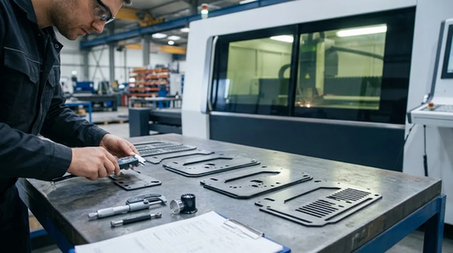
1. Start with the parts you need to produce
A useful Fiber Laser Cutting Machine RFQ describes routine and occasional jobs. Provide a drawing for each recurring part and record:
|
Requirement |
ما الذي يجب توثيقه؟ |
|---|---|
|
مادة |
Grade, surface condition, and certificate if available |
|
سماكة |
Routine range and occasional maximum |
|
Workpiece |
Sheet or tube dimensions, part envelope, and loading method |
|
جودة |
Critical dimensions, hole sizes, edge condition, burr or dross limits |
|
Workload |
Parts per shift or month, batch size, and changeovers |
|
Process |
Assist gas, utilities, nesting workflow, and operator experience |
Send this production matrix with every Fiber Laser Cutting Machine RFQ.
Mark critical features and note any downstream welding, coating, bending, or machining that affects cut quality.
Do not size the machine around a rare maximum-thickness job alone. Ask how the proposed configuration handles routine and occasional work. A maximum-thickness figure without material grade, gas, edge-quality target, and test conditions is incomplete. Also confirm whether you need sheet cutting, tube cutting, or both, and compare the usable work envelope with your stock and part dimensions.
2. Choose the right Fiber Laser Cutting Machine configuration
There is no universal power level or table size for every shop. Match the Fiber Laser Cutting Machine to your common material and thickness mix, required quality, and realistic production rate.
Match the source and process to the work
Ask each supplier to explain the basis for the proposed Fiber Laser Cutting Machine power and recommend settings for your recurring material-thickness combinations. Request the conditions behind any cutting chart; treat it as a starting point, not a guarantee for every grade, gas, or geometry.
List the source make and model, rated output, cutting head, controller, software version, chiller, gas arrangement, extraction equipment, and accessories in the quotation. Record warranty scope and component documentation. State which substitutions require your written approval.
Check the full machine envelope
Confirm usable sheet area or tube range, worktable arrangement, loading and unloading method, service clearance, and any fixtures required for each workflow. If the system handles both sheet and tube, ask how operators change modes and what equipment each requires.
Request current, machine-specific utility and layout documents. Check floor space, access, electrical supply, cooling, compressed air, assist gas, extraction, and foundations with qualified local personnel before approving the order.
Compare controls and supporting equipment
Ask suppliers to identify the controller, software, licenses, updates, nesting workflow, and remote-diagnostic requirements. Confirm training scope and whether network access is needed for support. Use an included / excluded / optional schedule so missing equipment does not make one quote appear artificially cheaper.
3. Verify performance with your own sample parts
A Fiber Laser Cutting Machine demonstration should answer a production question and reflect your actual production mix. Send representative material and part files, then agree on test conditions and acceptance criteria before cutting begins.
Define the test in writing
Choose samples that represent routine work and at least one difficult feature. Provide material grade, thickness, surface condition, drawing revision, and required quality. Ask the supplier to record the machine configuration, cutting program, gas, nozzle, focus reference, and other relevant settings.
Use the same inspection plan for every Fiber Laser Cutting Machine sample. Agree how to inspect the parts. Specify critical dimensions, hole quality, edge condition, dross, deformation, repeatability, and cycle time as applicable. Define the measurement method and acceptance limits before testing; avoid vague terms such as “good quality.”
Review repeatability and complete cycle time
Inspect repeated runs, not only one attractive sample. Record setup, cutting, unloading, and manual finishing. A video can document the process, but it does not replace returned parts, settings, and inspection results.
If production rate matters, define the measurement window and whether it includes loading, unloading, changeover, piercing, and operator handling. Cutting speed alone may not represent the cycle your shop needs.
Treat maximum-thickness claims as test conditions
For any maximum-thickness statement, identify material, gas, edge standard, and settings. If the capability matters, add a representative test and required result to the acceptance plan and technical schedule.
4. Check the supplier and define service responsibilities
Before paying a deposit for a Fiber Laser Cutting Machine, confirm which legal entity signs the contract, receives payment, supplies the machine, and provides support. Reconcile the names and addresses on the quotation, contract, invoice, and payment instructions, or obtain a written explanation.
Request traceable, machine-specific records
Request a configuration-specific bill of materials, component documents, electrical drawings, manuals, software and controller versions, and test records. Confirm which documents arrive with the machine and which are due before shipment. If your market requires certificates or conformity documents, verify the exact document, scope, issuer, and applicability with the relevant authority or a qualified local adviser.
Put after-sales scope in the contract
Specify warranty coverage, exclusions, start date, response channel, remote-support conditions, responsibility for parts and freight, and escalation steps. List spare parts and consumables by identifier. Define training format, language, duration, and operator count. Replace broad assurances such as “lifetime support” with written scope and response commitments.
5. Compare quotations and total landed cost
Compare Fiber Laser Cutting Machine quotations against one configuration schedule. Ask each supplier to price the same line items and scope.
|
Cost or term |
Questions to resolve |
|---|---|
|
Machine package |
Which source, head, controller, table, software, chiller, gas and safety items are included? |
|
Preparation |
Are testing, inspection, packing, training, or installation included? |
|
Freight and insurance |
Which route, named place, loading scope, and coverage are quoted? |
|
Destination charges |
Are terminal, broker, storage, unloading, or local delivery excluded? |
|
Import charges |
Who confirms classification, duties, taxes, permits, and documents? |
|
Payment |
What evidence triggers each milestone? |
For a Fiber Laser Cutting Machine purchase, name the applicable Incoterms® rule, version, and place in the contract. The International Chamber of Commerce explains that Incoterms allocate obligations, risk, and costs between buyer and seller; they do not replace the sales contract or settle every commercial issue. Clarify any agreed variation in writing.
Estimate landed cost as a range until route, destination, classification, and local charges are confirmed. Include the machine, packing, freight, insurance, brokerage, applicable import duties and taxes, unloading, inland delivery, installation, utilities, training, and initial spares. Do not treat a supplier estimate as a final customs assessment. Verify import requirements with official sources and a qualified customs professional for the destination.
6. Plan shipping, installation, safety, and commissioning
Before dispatch, agree who prepares the machine, provides packing details and shipping documents, and notifies you of key dates. Define arrival inspection, transit-damage records, and the process for reporting missing items.
Prepare the site before dispatch
Use machine-specific documents to check space, access, power, cooling, gas, compressed air, extraction, and service clearance. Have qualified personnel verify the facility and complete required work before delivery. Confirm who supplies lifting equipment and handles unloading, rigging, installation, leveling, and utility connections.
Treat laser safety as a design and operating requirement
Ask for the purchased configuration’s laser classification and labels, enclosure and interlock information, emergency stops, warning indicators, service procedures, and risk documents. OSHA describes eye, skin, fire, and airborne-contaminant hazards associated with laser operations. Controls depend on the actual system and workplace. Have qualified safety personnel review the manual, extraction, access controls, training, and protective equipment. Never bypass an interlock. OSHA is a U.S. reference; buyers elsewhere must check local requirements.
Agree on commissioning and acceptance
Keep Fiber Laser Cutting Machine acceptance criteria in the signed purchase documents. Write down who installs, trains, tests, and signs off the machine. Define acceptance tests, required records, open-item handling, correction period, and which evidence releases each payment milestone. Keep configuration records, test reports, training records, software versions, maintenance instructions, and unresolved deviations.
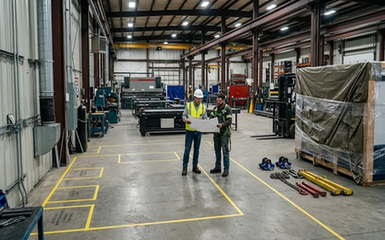
7. Use a pre-order and acceptance checklist
Before issuing a purchase order, align the RFQ, quotation, technical schedule, contract, and acceptance plan.
RFQ information to send every supplier
Materials, grades, thicknesses, routine and occasional jobs
Sheet or tube formats, drawings, critical dimensions, and edge requirements
Workload, batch size, target cycle time, and loading method
Required configuration, utilities, software, extraction, and safety documents
Destination country and city for a scoped logistics and compliance estimate
Sample parts, test conditions, inspection method, and acceptance criteria
Documents and tests to review before deposit and shipment
Contracting and payment entity
Itemized configuration and substitution approval process
Machine-specific layout, utility, operation, and maintenance documents
Sample test records and measured results
Packing list, named Incoterms® place, shipment responsibilities, and insurance scope
Warranty, training, support, spare-parts, and escalation terms
Destination import and safety requirements checked with official sources
Commissioning records to retain
Keep the configuration schedule, serial numbers, manuals, drawings, software versions, sample and inspection records, installation report, training records, maintenance plan, and open-issue list. These records help trace service, warranty, and process questions after delivery.
Conclusion: approve the machine against verified production needs
Choose a Fiber Laser Cutting Machine against the work your shop actually runs. Compare complete configurations, test representative parts under recorded conditions, and tie acceptance to written requirements. Before shipment, verify site, safety, import, and service plans for your destination.
To discuss a configuration, send the supplier your drawings, material matrix, workload, destination, and acceptance criteria through its صفحة الاتصال. Review its fiber laser cutting machine categories و company information, then independently verify the contracting entity and machine-specific claims before ordering.


