

Tube Laser Cutting Vs Traditional Methods: Which Is Better
Time : May 01, 2026 View : 1,056
In tube processing, the cutting approach directly influences expense, turnaround, and end product standard. Conventional techniques like sawing and drilling persist in numerous facilities. They endure because operators know them well. They also demand less initial funding. Yet, as tasks grow intricate or quantities rise, these approaches start to hinder output. They lead to uneven outcomes.
Tube laser cutting alters this dynamic. It erases substance via a concentrated ray guided by CNC controls. Thus, it cuts down on hands-on actions. It delivers more reliable outcomes. Plenty of fabricators spot the shift not just in pace. They also see greater steadiness in the procedure over periods.
While assessing this change, gear dependability and assistance availability frequently tip the scale. Wisecut has built a full range of items in laser cutting, welding, and forming. It offers over 200 device types and more than 1000 setups across over 20 nations. Its devices adhere to ISO quality checks and CE approval.
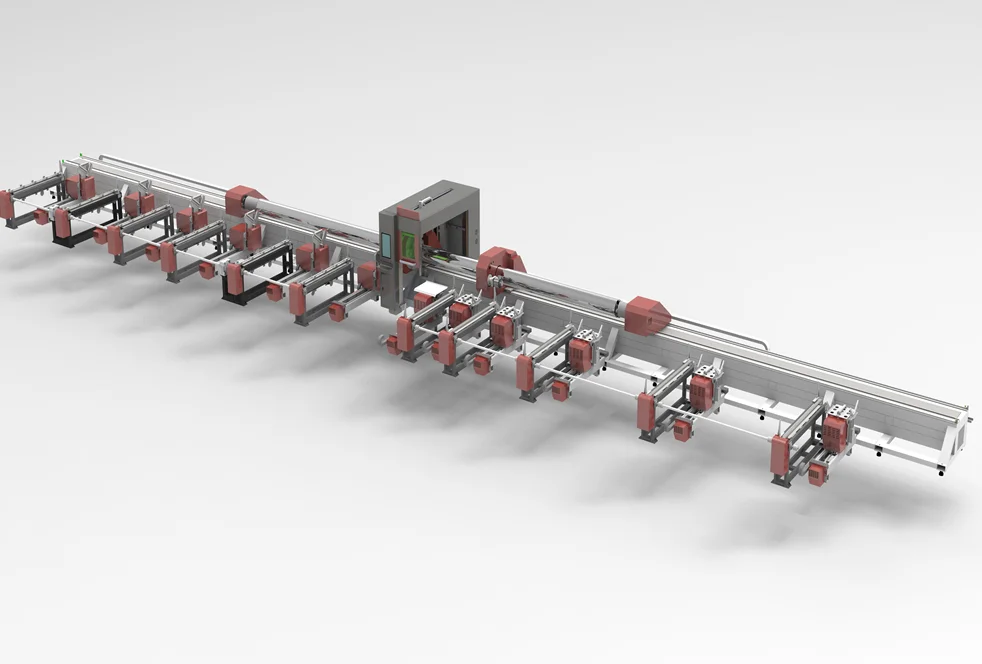
What Is Tube Laser Cutting And How Does It Work?
Tube laser cutting relies on a touch-free method. A powerful ray melts or evaporates metal. The whole task runs under a computer system. Hence, every motion tracks an exact script.
Non-contact Processing Principle
The cutting head avoids the material face. This lessens physical strain. It stops warping. Consequently, it yields a neat border with hardly any rough spots. Such results often eliminate extra cleanup work.
CNC Automation And Digital Control
Design documents turn straight into cutting routes. After setup, the device repeats the sequence with steady exactness. This proves handy for big runs where differences need tight reins.
Material Compatibility And Flexibility
Laser cutting handles various substances like carbon steel, stainless steel, and aluminum. It adjusts to diverse forms, from circular pipes to intricate outlines. No tool swaps are necessary.
How Do Traditional Tube Cutting Methods Work?
Conventional cutting depends on physical implements that scrape away substance. This style has held firm for decades. Still, it brings constraints when exactness and output rate turn essential.
Mechanical Cutting Techniques
Methods like sawing or milling hinge on implement contact. As time passes, implements degrade. This impacts cut exactness. It also raises upkeep needs.
Multi-step Production Workflow
A common sequence covers cutting, drilling, smoothing, and polishing. Each phase calls for repositioning the piece. Such moves extend handling duration. They heighten risks of minor faults.
Limitations In Complex Applications
Elaborate forms or slanted slices demand several arrangements. This not only drags down output. It also cuts uniformity, particularly in bulk making.
Precision And Cutting Quality Which Performs Better?
Exactness decides if components align properly during assembly. It influences later stages like joining and covering too.
Tolerance And Accuracy Comparison
Laser setups hold placement exactness near ±0.03 mm. Standard approaches typically achieve lesser exactness. They often exceed ±0.5 mm. This difference shows up in items needing close fits.
Edge Quality And Surface Finish
Laser cutting creates even borders with little rough edges. Standard cutting tends to leave coarse faces. Those demand sanding or buffing. This additional task boosts time and expense.
Complex Geometry Capability
Laser devices finish openings, grooves, and angles in one go. Standard ways need multiple phases. Thus, they lengthen making time. They lower output rate.
Speed And Production Efficiency Which Is Faster?
Output rate covers more than cut swiftness. It encompasses preparation, management, and completion.
Processing Time Comparison
Laser cutting merges various phases into one flow. Standard ways divide each phase. As a result, they stretch the full cycle.
Automation And Throughput
Laser setups function with slight human input. Automatic feed and discharge boost steadiness. They ease worker effort.
Setup And Changeover Efficiency
Moving between patterns just involves script updates. Tool changes are absent. This cuts prep duration notably.
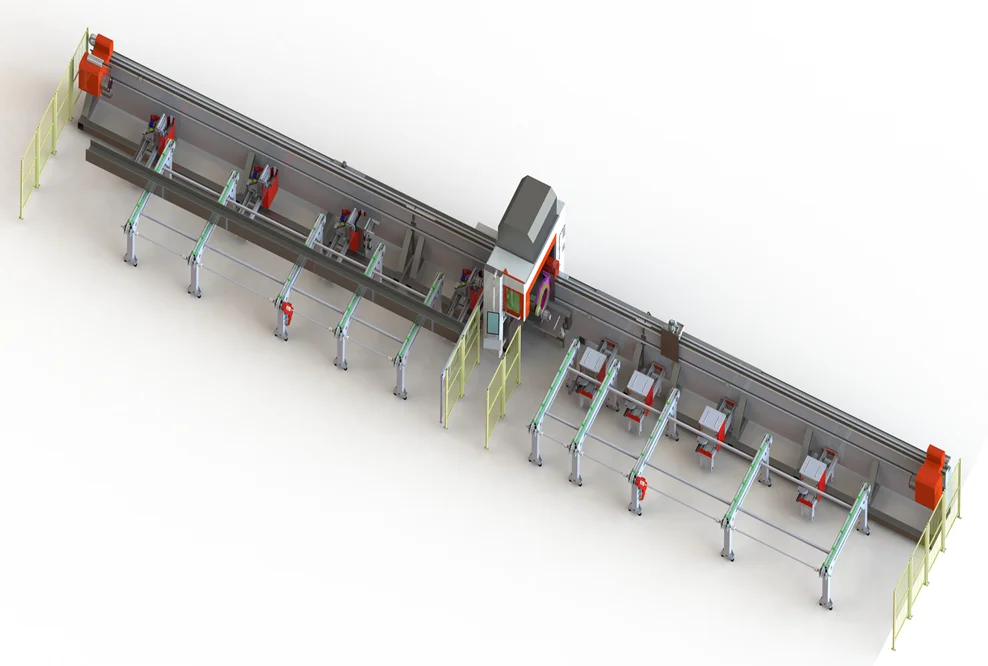
Cost Analysis Investment Vs Long Term Return?
Expense review must weigh upfront outlay against ongoing running.
Initial Equipment Investment
Laser devices call for greater starting expense. Standard devices suit tighter funds better. That accounts for their ongoing presence in certain shops.
Operating And Maintenance Costs
Laser setups cut implement degradation. They use fewer supplies. Physical cutting implements face regular swaps. This hikes continuous expenses.
Return On Investment
Quicker output and less worker need slowly balance the steep buy price. Numerous fabricators see the outlay as fair when output scales up.
Application Scenarios Which Method Fits Your Industry
Picking the proper way hinges on the task nature.
High Precision Manufacturing
Fields like vehicle and gear making demand steady exactness. Laser cutting meets these by upholding firm standards over lots.
Heavy Duty And Structural Applications
Big or thick pipes need solid grips. Multi-chuck setups enhance hold. They keep cut exactness even with heavy burdens.
Why Wisecut Tube Laser Machines Stand Out?
When picking a laser setup, firmness and aid backing often rank highest. Devices must run steadily in actual making settings. They should not just shine in perfect test spots.
Advanced Machine Portfolio
Wisecut delivers answers for varied output demands. The two chuck pipe laser cutting machine fits routine pipe work. The 3 chuck heavy duty tube laser cutting machine boosts firmness for extended and weightier pipes. The 4 chuck profile heavy laser tube cutter targets elaborate outlines and broad uses.
Precision Engineering And R And D Strength
The firm owns over 300 patents. It sustains robust development skills. Every device undergoes ISO standard tests prior to shipping. This enhances enduring firmness.
Global Service And Customization
Aid includes round-the-clock distant checks and worldwide tech help. Tailored device builds exist for unique output specs. Training occurs until workers manage scripts and upkeep on their own.
One key note is that many output problems stem not from the device. They arise from uneven handling. A framework with straightforward displays and firm parts lowers these hazards. This shows up clearly after months of steady running.
Comparison Table Tube Laser Cutting Vs Traditional Methods
|
Attribute |
Tube Laser Cutting |
Traditional Methods |
|
Precision |
±0.03 mm (high accuracy) |
±0.5 mm or more (lower accuracy) |
|
Edge Quality |
Smooth, minimal roughness, no additional finishing required |
Rough edges, often require sanding or polishing |
|
Speed |
Faster cutting speeds, more efficient for mass production |
Slower due to multiple phases (e.g., sawing, drilling, etc.) |
|
Automation |
Fully automated, minimal human intervention |
Limited automation, more manual handling |
|
Labor Requirement |
Low, reduced operator involvement |
High, requires more manual input for setup and operation |
|
Material Waste |
Low material waste due to precision cutting |
Higher waste, especially in complex shapes |
|
Complexity Handling |
Handles complex shapes, angles, and profiles easily |
Struggles with complex geometry, requires more setups |
|
Initial Cost |
High upfront cost for equipment |
Lower initial cost, more accessible for small operations |
|
Long Term Cost |
Lower long-term cost due to fewer tool replacements and reduced labor |
Higher due to frequent tool changes and labor costs |
|
Energy Consumption |
Moderate, optimized by efficient systems |
Often higher due to less efficient processes |
|
Tool Wear and Maintenance |
Minimal tool wear, low maintenance costs |
High tool wear, frequent maintenance required for cutting tools |
|
Material Compatibility |
Compatible with a wide variety of materials and thicknesses |
Limited compatibility, specific tools required for different materials |
|
Setup Time |
Short, just requires CNC programming |
Long, involves manual tool changes and setup time |
|
Flexibility in Production |
Highly flexible, can quickly adapt to different designs without retooling |
Less flexible, requires retooling for each job change |
|
Throughput |
High throughput, ideal for high-volume production |
Lower throughput, suitable for smaller batches |
|
Cutting Quality Consistency |
Very high, precise and repeatable results |
Varies, can be inconsistent due to tool wear and human error |
|
Environment Impact |
Cleaner, less waste production |
Produces more scrap and dust, higher environmental impact |
|
Maintenance and Downtime |
Lower downtime due to automated diagnostics and fewer repairs |
Higher downtime due to tool wear and more complex setups |
|
Operator Skill Level |
Minimal skill required, basic training for CNC operation |
High skill level required for proper tool handling and setup |
|
Long-Term Reliability |
High, especially with regular maintenance |
Lower, tools degrade with use and require frequent replacements |
|
Customization |
Easy to customize designs via CNC programming |
Customization often requires creating new tooling or setups |
|
Safety |
Safer due to automated processes and minimal manual handling |
More dangerous due to manual handling and high-speed cutting tools |
Which Is Better?
Tube laser cutting provides evident gains in exactness, output rate, and enduring expense management. It trims making phases. It boosts uniformity. Such traits matter in current fabrication. Standard ways hold value in basic uses. Yet, their drawbacks emerge when output demands grow tougher.
Selecting suitable gear relies on present demands and ahead plans. Devices with solid tech aid and firm output often yield superiora enduring worth.
FAQ
Q1: Is tube laser cutting suitable for high-volume production?
A: Yes, it works well in large-scale settings. It keeps steady exactness. It cuts down on human input.
Q2: Does laser cutting require highly skilled operators?
A: Some basic instruction is needed. However, current setups with simple displays ease the training process.
Q3: How does laser cutting affect production costs?
A: It drops ongoing expenses. It does so by cutting worker needs, lessening scrap, and speeding up tasks.
Q4: Can laser machines handle different tube shapes?
A: Yes, they manage circular, square, and detailed outlines. No tool changes are required.
Q5: What is the main limitation of traditional cutting methods?
A: Their dependence on various phases and hand tweaks curbs output rate and uniformity.


