

Fiber Lazer Kesim Kalınlık Tablosu: Fiber Lazer Ne Kadar Kalınlıkta Kesim Yapabilir?
Tarih: 18 Haziran 2026 Görüntüleme : 500
Metal işleme ustaları için, bunun ardındaki soru şudur: fiber lazer kesim kalınlık tablosu Bu nadiren akademik bir konudur. Bir satın alma müdürü, bir makinenin günlük 6 mm paslanmaz çelik parçaları, ara sıra 20 mm karbon çelik levhaları veya yüksek hacimli sac metal siparişlerini tüm atölyeyi yavaşlatmadan işleyip işleyemeyeceğini bilmek ister. Doğru cevap, lazer gücüne, malzeme türüne, gaza, makine rijitliğine, kesme kafası kontrolüne, soğutma stabilitesine ve beklenen kenar kalitesine bağlıdır.
BEIJING WISECUT LTD inşa ediyor fiber lazer kesme makineleri Sac işleme, boru kesme, sac ve boru kombinasyonlu uygulamalar ve otomatik üretim hatları için tasarlanmıştır. Ürün yelpazesi, B2B alıcılarına standart 3000W sac kesme sistemlerinden daha kalın metal levhalar için yüksek güçlü, tamamen kapalı makinelere kadar pratik seçenekler sunar.
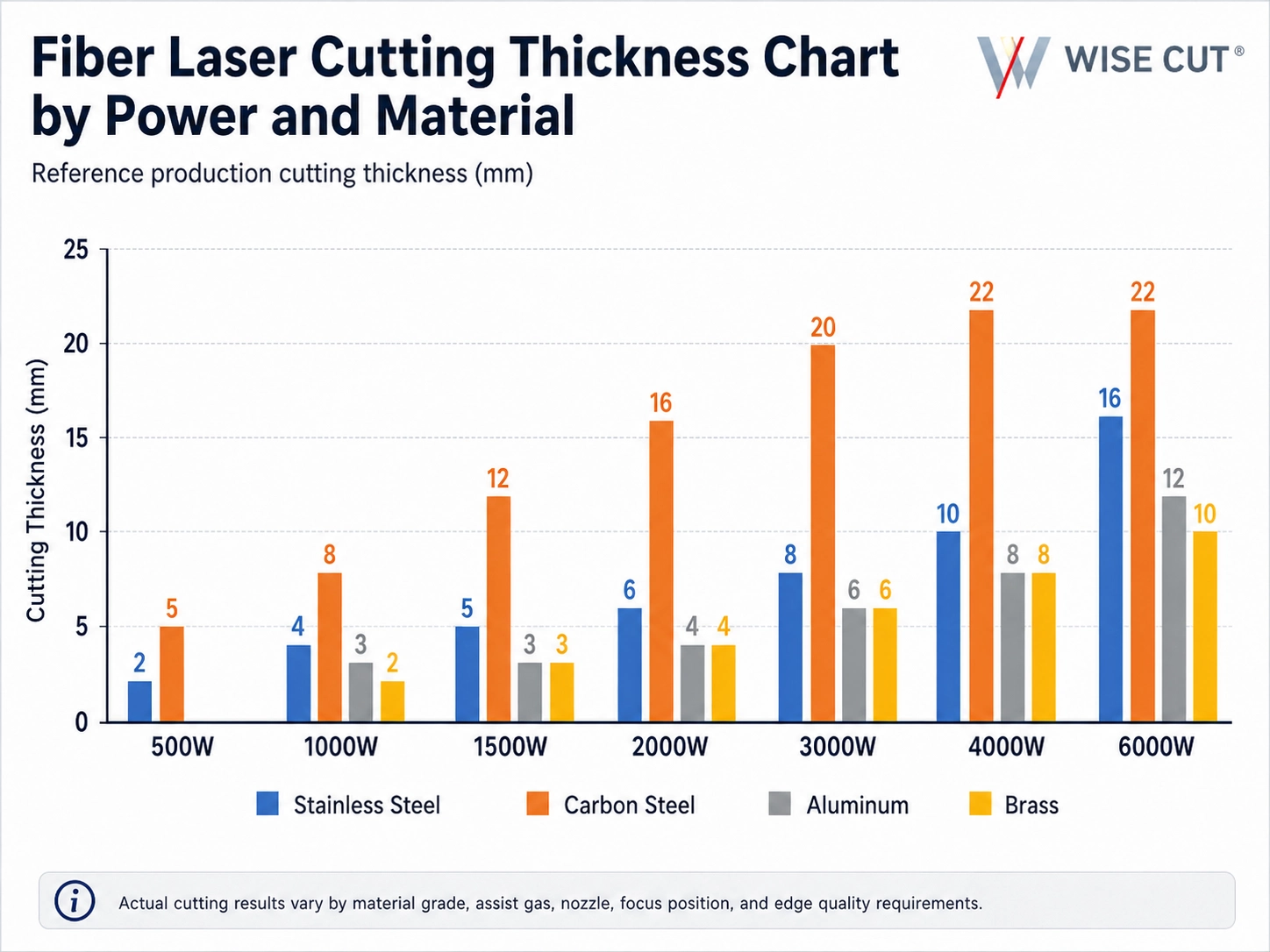
Makine Aralığına Göre Fiber Lazer Kesim Kalınlık Tablosu
Bir grafik, ancak gerçek üretim koşullarını yansıttığında faydalıdır. Maksimum kesme kalınlığı üst sınırı gösterirken, istikrarlı üretim kalınlığı ise hız, kesim kalitesi ve tekrarlanabilirliğin seri siparişler için uygun kaldığı aralığı ifade eder.
|
WISECUT Makine Serisi |
Güç Aralığı |
İşleme Alanı |
Referans Kesme Kapasitesi |
|
WT-3015 3000W Fiber Lazer Kesim Makinesi |
3000W'lık |
1550 × 3050 mm |
0,5–25 mm karbon çelik; 0,5–20 mm paslanmaz çelik |
|
Tek Platformlu Metal Levha Lazer Kesme Makinesi |
3000–12000W |
1550 × 3050 mm |
Maksimum 30mm |
|
Değişim Masası Fiber Lazer Kesme Makinesi |
3–12kW |
4050 × 2050 mm |
Maksimum 30mm |
|
Tam Kapalı Metal Lazer Kesme Makinesi |
6000–30000W |
6050 × 2550 mm |
Maksimum 70mm |
Bu grafiğin alıcılar için anlamı nedir?
3000W'lık bir makine, genellikle atölyeler, mobilya üreticileri, asansör parçaları tedarikçileri, tarım makineleri fabrikaları, reklam metal işleme ve genel sac işleme firmaları için güçlü bir başlangıç noktasıdır. Örneğin, WT-3015, karbon çeliği, paslanmaz çelik, alüminyum alaşımı, pirinç, bakır, galvanizli sac, silikon çelik sac, elektrolitik levha, titanyum alaşımı ve manganez alaşımı için tasarlanmıştır. Çoğunlukla ince ve orta kalınlıkta levhalar kesen şirketler için bu aralık, ultra yüksek güçlü ekipmanların maliyet seviyesine geçmeden birçok günlük siparişi karşılayabilir.
İş yükü daha büyük sac formatlarını, sık yükleme döngülerini veya kalın sac kesimini içerdiğinde, değiştirilebilir tabla veya tamamen kapalı bir makine daha pratik hale gelir. Değiştirilebilir tabla tasarımı kesim dışı süreyi kısaltırken, tam kapaklı yapı yüksek güçlü kesim için güvenliği, görünürlüğü ve üretim kontrolünü iyileştirir.
Maksimum Kalınlık Neden Üretim Kalınlığıyla Aynı Değildir?
Malzeme kalitesi sonucu değiştirir.
Karbon çelik, paslanmaz çelik, alüminyum, pirinç ve bakır, fiber lazer enerjisine farklı tepkiler verir. Karbon çelik, oksijen destekli kesim işlemine ısı eklediği için genellikle aynı güçte daha derin kesim yapılmasına olanak tanır. Paslanmaz çelik ise kenarı oksidasyondan korumak için genellikle nitrojen kullanır; bu da daha temiz bir yüzey sağlar ancak daha güçlü gaz akışı ve kararlı basınç gerektirir.
Alüminyum, pirinç ve bakır daha yansıtıcı ve ısı iletkendir, bu nedenle alıcılar bunları yalnızca karbon çeliği verilerine göre değerlendirmemelidir. Her gün 8 mm alüminyum kesen bir fabrika, genel bir fiber lazer güç kalınlık tablosu yerine gerçek bir numune testi talep etmelidir.
Gerçek siparişlerde kenar kalitesi önemlidir.
Bir makine kalın bir plakayı bir kez kesebilir, ancak kenarının taşlanması, yeniden işlenmesi veya daha düşük hızda kesilmesi gerekebilir. Üretimde daha doğru soru şudur: "Bu lazer kesici, kabul edilebilir çapak, eğim ve ısı etkisiyle gerekli kalınlığı tüm gün boyunca kesebilir mi?" İşte burada makine yapısı önem kazanıyor. WISECUT'un kaynaklı makine gövdesi, havacılık alüminyum kirişi, otomatik odaklı kesme kafası, su soğutma sistemi ve yüksek hassasiyetli iletim tasarımı, uzun vardiyalar boyunca istikrarlı kesimi desteklemek için üretilmiştir.
Doğru Fiber Lazer Gücünü Nasıl Seçersiniz?
İnce sac metal üretimi için
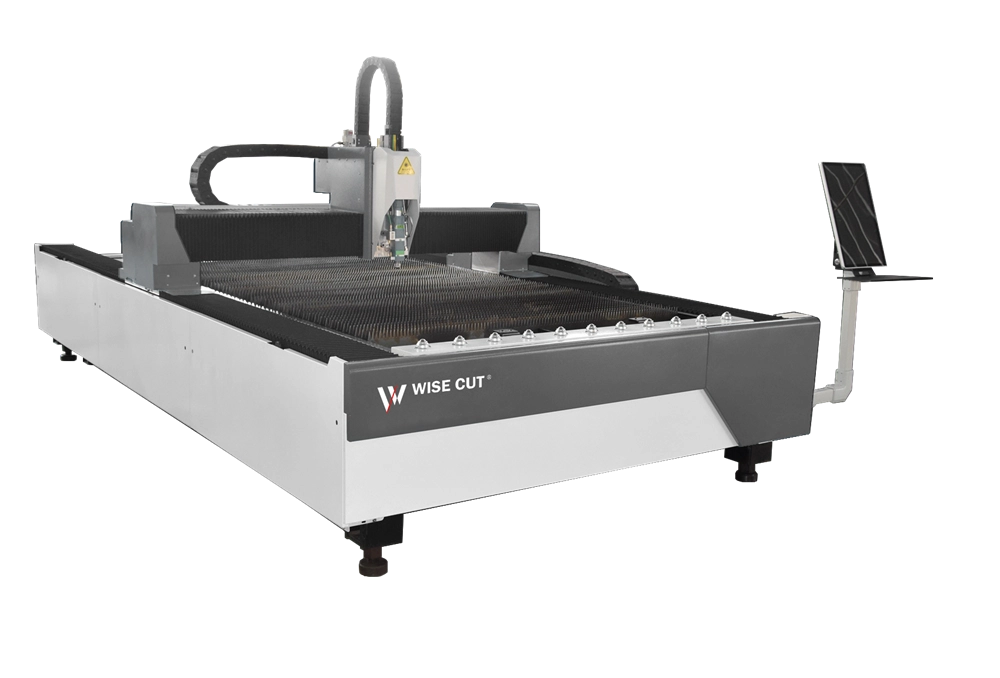
Paslanmaz çelik mutfak ekipmanları, elektrik panoları, HVAC parçaları, reklam panoları veya dekoratif paneller için en önemli değer sadece maksimum kesme kalınlığı değildir. Alıcılar kesme hızı, konumlandırma hassasiyeti, işçilik maliyeti ve yerleştirme verimliliğini de karşılaştırmalıdır. WT-3015, 1550 × 3050 mm çalışma boyutu, ±0,03 mm X/Y konumlandırma hassasiyeti, ±0,008 mm Z konumlandırma hassasiyeti ve 100 m/dak maksimum yüksüz çalışma hızı sunarak standart sac işleme atölyeleri için uygundur.
Farklı kalınlıktaki ve daha büyük partiler için
Fabrikada ince sacdan orta kalınlıkta levhaya kadar farklı malzemeler kesiliyorsa, tek platformlu veya değiştirilebilir tablalı fiber lazer kesim makinesi, sipariş değişiklikleri için daha fazla alan sağlar. Değiştirilebilir tablalı model, operatörlerin makine kesime devam ederken bir sonraki sacı yüklemesi gerektiğinde özellikle uygundur. Bu, bekleme süresini azaltmaya ve kesim hattının verimliliğini artırmaya yardımcı olur.
Kalın metal levha kesimi için
Ağır ekipmanlar, çelik yapılar, inşaat makineleri ve dış kaynaklı lazer kesim hizmetleri için genellikle yüksek güç gereklidir. WISECUT'un tamamen kapalı metal lazer kesim makinesi, 6000W ile 30000W arasında güç aralığına ve maksimum 70 mm kesim kalınlığına sahiptir. Kalın karbon çelik levhalarla çalışan alıcılar için bu aralık, çalışma alanını daha güvenli ve temiz tutarken daha güçlü kesim yeteneği sağlayabilir.
Fiber Lazer Kesim Kalınlığını Etkileyen Faktörler
Gaz ve basınç stabilitesine yardımcı olur.
Aynı güce sahip iki makinenin farklı kesme sonuçları göstermesinin en büyük nedenlerinden biri yardımcı gazdır. Kalın karbon çelik için oksijen yaygın olarak kullanılır. Temiz ve parlak bir kenar gerektiğinde paslanmaz çelik için nitrojen yaygın olarak kullanılır. Hava ile kesme, bazı ince sac uygulamalarında gaz maliyetini düşürebilir, ancak nihai karar yüzey kalitesine, parça kullanımına ve sonraki kaynak veya boyama işlemlerine bağlıdır.
Makine rijitliği ve ısı kontrolü
Kalın levha kesimi, yatak, kiriş, hareket sistemi ve soğutma ünitesi üzerinde ağır yükler oluşturur. Makine gövdesi zayıfsa, uzun kesim döngülerinden sonra hassasiyette sapmalar olabilir. WISECUT'un WT-3015 modeli, yaşlandırma işlemine tabi tutulmuş kaynaklı bir yapı kullanırken, soğutma sistemi de kararlı lazer kaynağı ve kesme kafası sıcaklık kontrolü için tasarlanmıştır. Bir alıcı sadece başarılı bir demo değil, tekrarlanabilir performans istediğinde bu detaylar önem kazanır.
Otomasyon ve yükleme verimliliği
Kalınlık kesimi, verimliliğin yalnızca bir parçasıdır. Gerçek fabrikalarda operatörler ayrıca sac levha taşıma, hurda uzaklaştırma ve tekrarlanan yükleme işlemleriyle de ilgilenirler. WISECUT, lazer kesim makinesiyle birlikte otomatik bir sac metal üretim ünitesi oluşturabilen otomatik sac levha yükleme ve boşaltma sistemleri sunmaktadır. Yüksek hacimli siparişlerde bu, iş gücü baskısını azaltabilir ve üretim planlamasını daha öngörülebilir hale getirebilir.
Sonuç
Fiber lazer, ince sac levhaları, orta kalınlıktaki plakaları ve doğru güç ve yapıyla çok kalın metalleri kesebilir. Ancak en iyi makine yalnızca maksimum kalınlığa göre seçilmez. Alıcılar, malzeme türünü, günlük kalınlık aralığını, kenar kalitesini, gaz maliyetini, çalışma boyutunu, otomasyon ihtiyaçlarını ve satış sonrası desteği karşılaştırmalıdır.
PEKİN WISECUT LTD Fiber lazer kesim makineleri, kaynak makineleri, temizleme makineleri, CNC bükme ekipmanları ve otomatik üretim hattı çözümlerini bir araya getiriyor. CE sertifikalı WISECUT makineleri, ISO sertifikalı kalite yönetimi, Yüksek Teknoloji Kuruluşu tanınması, 200'den fazla makine modeli, 20'den fazla ülkede çalışan 1000'den fazla makine, 7/24 İngilizce uzaktan destek ve küresel mühendislik hizmeti ile WISECUT, metal işleme alıcılarına numune testinden uzun vadeli üretime kadar pratik bir yol sunuyor.
Daha doğru bir öneri için alıcılar, malzeme türü, maksimum kalınlık, yaygın üretim kalınlığı, sac boyutu, günlük kesim hacmi, kenar kalitesi gereksinimi ve tercih edilen otomasyon seviyesini satıcıyla paylaşabilirler. WISECUT mühendislik ekibi.
Sıkça Sorulan Sorular
S1: 3000 W'lık bir fiber lazer, karbon çeliği ne kadar kalınlıkta kesebilir?
A: 3000W WISECUT WT-3015 fiber lazer kesim makinesi, 0,5–25 mm karbon çelik için tasarlanmıştır. İstikrarlı seri üretim için, nihai kesim sonucunun malzeme kalitesi, gaz tipi, nozul ayarı, odak konumu ve kenar kalitesi gereksinimi ile teyit edilmesi gerekmektedir.
S2: 20 mm kalınlığındaki paslanmaz çeliği kesmek için hangi fiber lazer gücüne ihtiyacım var?
A: 20 mm paslanmaz çelik için, alıcılar WISECUT'un WT-3015 referans serisine dayalı, iyi yapılandırılmış en az 3000W'lık bir sistemi göz önünde bulundurmalıdır. Daha hızlı üretim hızı, daha temiz nitrojen kesimi veya daha geniş kalınlık kapsamı gerekiyorsa, daha yüksek güçlü bir WISECUT modeli daha uygun olabilir.
S3: Maksimum kesim kalınlığı, günlük üretim kalınlığıyla aynı mıdır?
A: Hayır. Maksimum kesme kalınlığı, uygun koşullar altında ulaşılabilecek en yüksek kapasitedir. Günlük üretim kalınlığı, kesme hızı, çapak seviyesi, ısı etkisi, gaz tüketimi, parça hassasiyeti ve operatörlerin tüm vardiya boyunca aynı sonucu koruyup koruyamayacağı gibi faktörleri dikkate almalıdır.
S4: Kalın metal levhalar için hangi WISECUT fiber lazer kesim makinesi daha iyidir?
A: Kalın levha kesimi için WISECUT Tam Kapalı Metal Lazer Kesim Makinesi daha güçlü bir seçenektir. 6000–30000W güç aralığına sahip olup, 6050 × 2550 mm işleme alanı sunar ve maksimum 70 mm kesim kalınlığına ulaşır.
S5: Tek platformlu ve değiştirilebilir tablalı fiber lazer kesici arasında nasıl seçim yapabilirim?
A: Tek platformlu bir makine, standart sac işleme ve kontrollü bütçeler için uygundur. Yükleme ve boşaltma süresinin çıktı üzerinde etkili olduğu durumlarda, özellikle tekrarlanan partiler, daha büyük saclar veya sıkı teslimat programları olan atölyelerde, değiştirilebilir tablalı fiber lazer kesici daha iyidir.


