

Supplier Strength Behind Industrial Laser Machines After the Exhibition
Time : Jun 05, 2026 View : 864
After METALTECH & autoMEX 2026, many buyers began looking beyond booth displays and asking what defines a reliable custom fiber laser cutting machine supplier. Machine appearance and brochure specifications can create interest, but industrial purchasing decisions depend on deeper factors: manufacturing capability, component selection, customization experience, automation support, and after-sales service. These areas determine whether a machine can perform consistently after it enters daily production.
For BEIJING WISECUT LTD, the exhibition created an opportunity to show more than product categories. The discussions around laser cutting machines, laser welding machines, CNC press brake equipment, and automated sheet loading systems reflected what serious buyers usually check before signing an order. In industrial equipment procurement, supplier strength is measured by how well the machine fits the application and how reliably the supplier supports the customer after delivery.
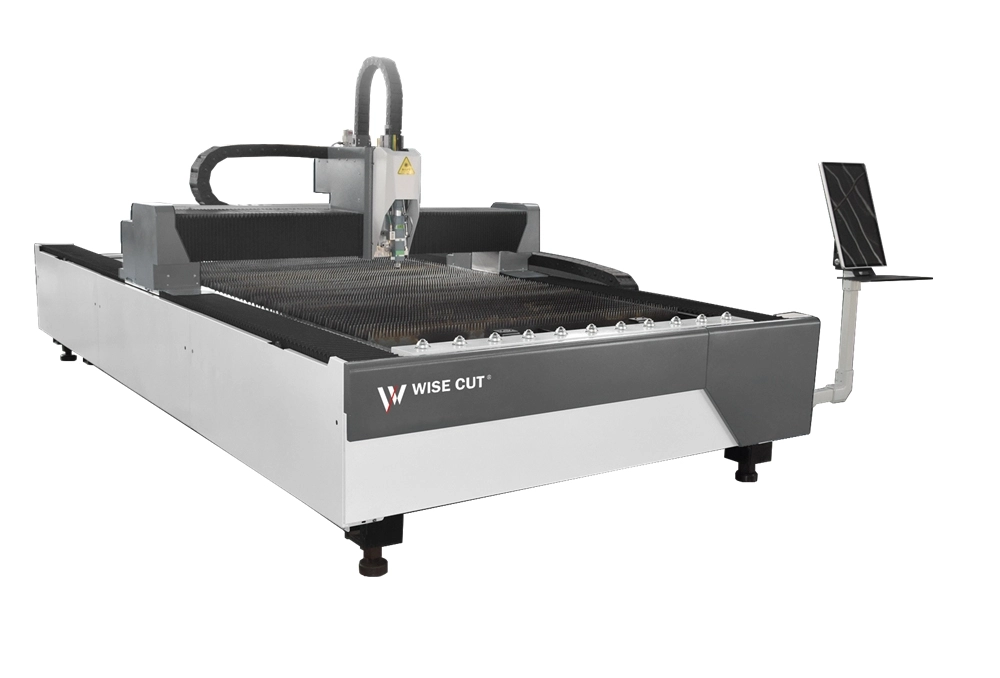
Manufacturing Capability Is the First Filter
A laser machine supplier must be evaluated from the production side, not only from the sales side. Buyers need to know whether the supplier can control machine structure, assembly quality, configuration consistency, testing standards, and packaging reliability.
In daily production, the difference between a stable machine and an unstable one often comes from details that are not obvious in a quick quotation. The welding structure of the machine bed, stress relief process, beam rigidity, motion system, electrical layout, cooling performance, and safety design all affect long-term use.
WISECUT’s product range covers fiber laser cutting machines, laser welding equipment, CNC bending machines, and related automation systems. This makes it possible to support different workshop stages, from basic cutting and welding to more integrated metal fabrication production. For buyers looking for a China fiber laser machine supplier, this broader capability can be more valuable than a supplier focused on one machine type only.
Component Selection Affects Long-Term Stability
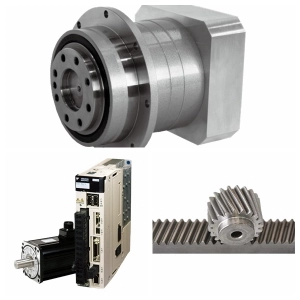
In the laser cutting industry, buyers often compare laser power first. However, machine reliability depends on the full configuration. A high-power laser source alone cannot guarantee stable cutting if the cutting head, control system, guide rails, chiller, servo system, electrical components, or machine bed are not properly matched.
A practical laser cutting machine must maintain accuracy during repeated movement, handle heat and vibration, protect the optical path, and keep the control system stable during long working hours. For industrial buyers, the real value lies in the overall machine configuration: stable laser output, responsive cutting head performance, rigid motion structure, reliable process control, efficient cooling, safe electrical design, and easy access for maintenance. These details determine whether the machine can deliver consistent cutting quality, reduce downtime, and remain dependable in long-term production.
For B2B buyers, these component details should be checked before purchase. A lower quotation may look attractive, but if the machine creates more downtime, poor edge quality, unstable motion, or frequent replacement cost, the total ownership cost becomes higher.
A reliable laser machine after-sales service system also depends on component transparency. When the supplier clearly defines key parts and spare parts supply, maintenance becomes easier for both the end user and the distributor.
 Customization Creates Market Advantage
Standard machine models are suitable for many workshops, but not every customer can use a standard configuration. A distributor may need different machine colors, covers, layouts, or power options for a local market. A factory may need a custom working size, special loading design, or adjusted machine configuration for a specific product line.
This is where a custom fiber laser cutting machine supplier provides additional value. Customization is not limited to external appearance. It can include cutting range, machine parameters, control options, automation level, table structure, component selection, safety configuration, and workshop layout adaptation.
WISECUT’s project experience includes customization for industrial end users and overseas partners. For distributors, this flexibility can support more competitive local sales. For factories, customization can help equipment fit existing production processes instead of forcing the workshop to adapt around a standard machine.
In a competitive market, customization also helps avoid price-only comparison. A machine built around the user’s application has a clearer value proposition than a generic model with limited adjustment options.
Automation Is Becoming a Practical Upgrade Path
Labor cost, production rhythm, and material handling efficiency are pushing more sheet metal workshops toward automation. Laser cutting automation is no longer only for large factories. Many medium-sized manufacturers are also evaluating automatic sheet loading, unloading systems, exchange tables, and material storage options.
An automatic sheet loading laser cutter can reduce manual handling and improve production continuity. Systems with loading robots, vacuum suction cups, double-layer exchange trolleys, CNC control, and safety protection can help create a more efficient sheet metal production unit.
Automation should be planned according to real output, not added only for appearance. A workshop with low-volume customized jobs may first need a stable standard cutting machine. A factory with repeated sheet processing and tight delivery schedules may benefit from loading and unloading systems. A growing business may start with manual operation and later upgrade to semi-automatic or fully automatic material handling.
A supplier with automation capability can help buyers plan this development path. Instead of treating automation as a separate purchase, laser cutting, loading, unloading, bending, and welding can be considered as connected production steps.
Service Support Determines Long-Term Cooperation
Industrial equipment does not end with delivery. Installation, operator training, preventive maintenance, troubleshooting, and spare parts supply all affect the final success of a project. For international buyers, these points are even more important because technical response time can directly affect production schedules.
WISECUT’s service capability includes pre-sale technical consultation, configuration discussion, customized drawings or renders when needed, training support, remote technical assistance, and after-sales communication in English. These services are relevant for end users and distributors who need a dependable partner after the machine arrives.
A professional supplier should also help customers understand maintenance basics. Lens protection, cooling system checks, air pressure settings, electrical safety, grounding, alarm troubleshooting, and regular inspection all influence machine performance. Clear training reduces operator mistakes and keeps the machine in better working condition.
For distributors, after-sales support is part of market reputation. A supplier that can provide timely technical answers and spare parts helps distributors maintain customer confidence and build repeat business.
What Buyers Should Check After a Trade Show
After visiting a booth, buyers should move from general interest to structured evaluation. Important questions include: Does the supplier understand the application? Are machine configurations clearly explained? Are key components specified? Can the supplier provide a customized solution? Is laser cutting automation available? What service support is offered after delivery? Are spare parts and training included?
These questions help identify whether a supplier is prepared for long-term cooperation. In metal fabrication, the right supplier should be able to discuss cutting quality, welding process, bending accuracy, automation planning, maintenance, and cost control from a production perspective.
For companies comparing a China fiber laser machine supplier with other options, the decision should not be based only on price. Manufacturing capability, machine stability, customization, service response, and upgrade potential should all be included in the evaluation.
Conclusion
METALTECH & autoMEX 2026 showed that buyers are becoming more careful and more technical in supplier selection. A booth can introduce the product, but manufacturing strength, component quality, customization ability, automation capability, and after-sales support decide whether cooperation can continue.
For buyers planning to invest in a custom fiber laser cutting machine, handheld laser welding machine, CNC press brake, or automated sheet metal processing system, the best next step is to prepare detailed production information. Material list, thickness range, capacity target, workshop layout, and automation plan will help WISECUT recommend a configuration that fits real production needs.
FAQ
Q1: What makes a custom fiber laser cutting machine different from a standard model?
A1: A custom fiber laser cutting machine can be adjusted according to working size, laser power, cutting range, machine layout, automation level, component selection, safety requirements, and factory workflow. It is designed around the buyer’s production needs instead of a fixed standard configuration.
Q2: How should buyers evaluate a China fiber laser machine supplier?
A2: Buyers should check manufacturing capability, machine structure, component brands, customization experience, testing process, after-sales support, spare parts availability, and whether the supplier understands the target application.
Q3: When should a factory consider laser cutting automation?
A3: Laser cutting automation is suitable when a factory has repeated sheet processing, high loading frequency, labor pressure, or strict delivery schedules. Automatic sheet loading and unloading systems can improve workflow efficiency and reduce manual handling.
Q4: Why are components important in a laser cutting machine?
A4: Components such as the laser source, cutting head, control system, guide rails, servo motors, chiller, and electrical parts affect cutting stability, machine life, maintenance cost, and operating safety. A reliable configuration reduces downtime and improves production consistency.
Q5: What after-sales support is important for overseas laser machine buyers?
A5: Overseas buyers should pay attention to English technical support, remote diagnostics, operator training, spare parts supply, troubleshooting guidance, and engineer support when available. These services help reduce downtime and protect long-term production efficiency.


