

The Role of Laser Cutting Technology in Modern Automotive Component Production
Time : Jul 17, 2026 View : 568
Why Does Laser Cutting Technology Matter in Automotive Component Production?
Modern car parts are not simple metal pieces anymore. You need clean cuts, steady size, less scrap, and parts that move smoothly to bending or welding. Laser cutting technology in modern automotive component production helps you deal with these daily needs. It is useful for body panels, brackets, battery parts, chassis components, and many other metal parts used in modern automotive manufacturing.
Solving Real Shop-Floor Problems
Small cutting defects can turn into big trouble on the line. A rough edge on a door reinforcement plate may slow welding. A hole that shifts a little may make assembly harder. If this happens on hundreds or thousands of parts, workers lose time and the scrap bin fills fast.
Precision cutting helps reduce these problems. It can cut curves, holes, slots, and narrow shapes with good repeat accuracy. That is why laser cutting machines for automotive parts manufacturing are often used when the part shape is not easy, or when the customer changes the drawing again. It happens.
Supporting Flexible Production
Automotive suppliers often work on several vehicle models at the same time. One day you may cut sample parts. The next day you may run a batch order. Laser cutting technology makes this switch easier because you do not need a new die for every change.
This is helpful for flexible automotive production. You can test a new bracket design, change hole positions, or adjust a sheet metal part without waiting for long tooling work.
Which Automotive Components Can Be Processed by Laser Cutting?
Automotive components include sheets, tubes, strong safety parts, and parts with fine holes. Laser cutting works well for many of them because it gives clean edges and stable sizes. More important, it helps the next process run with fewer problems.
Body Panels and Sheet Metal Parts
Body panels, doors, hoods, roofs, and side panels need neat edges and correct holes. A clean cut can make welding and fixture work easier. In automotive component production, even a small size error may cause a poor fit during assembly.
Chassis Components and High-Strength Steel Components
Chassis components, crash beams, pillars, brackets, and high-strength steel components carry safety loads. These parts need strength, but they also need accurate cutting. Laser cutting keeps the cutting gap narrow and helps save material, which matters when the steel is costly.
Electric Vehicle Battery Enclosures
Electric vehicle battery enclosures have strict fit needs. Battery trays, covers, and protection plates must be cut well before bending, welding, and sealing. Many of these parts use aluminum alloy or stainless steel. Laser cutting technology gives cleaner edges, so later work becomes easier.
Exhaust System Components
Exhaust system components include pipes, flanges, heat shields, and muffler parts. These parts often use stainless steel or heat-resistant metal. Tube laser cutting is a good choice for holes, slots, angled cuts, and shaped pipe ends.
How Does Laser Cutting Support Lightweight Vehicle Design?
Lightweight vehicle design is a real concern for both fuel cars and electric vehicles. A lighter part can help reduce fuel use or support longer driving range. Still, the part must be strong enough. That balance is not always easy.
Cutting Aluminum and High-Strength Materials
You may need to cut aluminum alloy, carbon steel, stainless steel, and high-strength steel in one shop. Laser cutting machines can handle different metals by changing cutting settings. This saves time and avoids frequent tool changes.
Reducing Waste During Automotive Parts Manufacturing
Metal waste is money lost. With better nesting, parts can be placed closer on a sheet. For a supplier cutting battery tray plates, even a small drop in scrap can make a clear difference after a month of production.
How Should You Choose Laser Cutting Machines for Automotive Parts Manufacturing?
Buying a machine is not only about power. You should look at your part size, material type, thickness, floor space, workers, and future orders. A machine may look good on paper, but it still needs to fit your real work.
Match the Machine to Sheet, Tube, or Mixed Parts
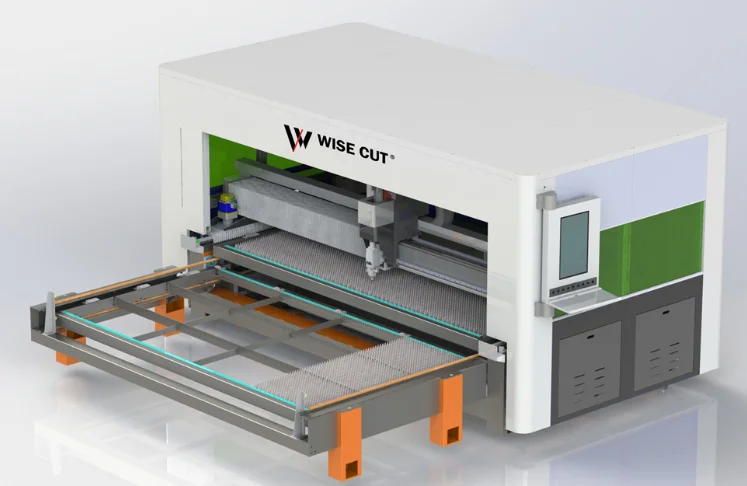
For flat plates and body parts, a sheet laser cutting machine is usually suitable. For seat frames, exhaust pipes, and structural tubes, tube laser cutting is better. If you process both sheet and tube parts, a combined system can save space and reduce handling.
Consider Automation and Downstream Processes
Cut parts usually move to bending, welding, cleaning, or inspection. So the full workflow matters.
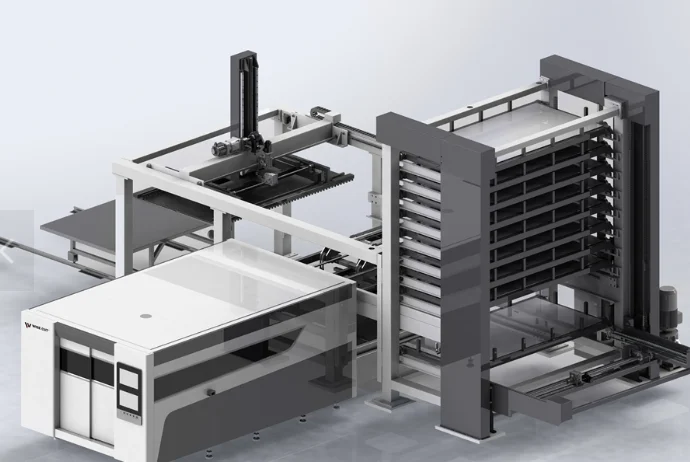
WiseCut supplies metal fabrication equipment such as fiber laser cutting machines, laser welding machines, laser cleaning machines, and automated production solutions. Its product range covers sheet cutting, tube cutting, and sheet-and-tube combined cutting. For automotive suppliers, this is useful because one cut part often goes straight to the next process. WiseCut also provides customization, training, spare parts, and service support, which are practical points when production cannot stop for long.
What Role Does Automation Play in Modern Automotive Manufacturing?
Automation is not only for large factories. Small and mid-sized suppliers also need steady output and fewer manual mistakes. In modern automotive manufacturing, stable quality often matters as much as speed.
Saving Labor and Cutting Idle Time
Automated laser cutting systems can reduce waiting between jobs. Loading and unloading systems help keep sheets moving. Full-cover machines can also support safer work and better fume control.
Connecting Cutting With Digital Production
When drawings come from CAD files, the machine can cut complex parts faster. This supports flexible automotive production, trial parts, and replacement orders. If you are checking laser cutting products, look beyond the cutting table. Check material range, automation level, spare parts, training, and service support.
FAQ
Q1: What Is the Main Benefit of Laser Cutting Technology in Modern Automotive Component Production?
A: It gives you accurate and repeatable cutting. It also reduces tooling work for body panels, chassis components, battery enclosures, and exhaust system components.
Q2: Can Laser Cutting Machines Process High-Strength Steel Components?
A: Yes. They can cut high-strength steel components, but the right power, gas, machine structure, and cutting settings are important.
Q3: Is Laser Cutting Suitable for Electric Vehicle Battery Enclosures?
A: Yes. It is suitable for battery trays, covers, and protection plates that need clean edges and stable size before bending or welding.
Q4: Should You Choose Sheet Laser Cutting or Tube Laser Cutting?
A: Choose sheet laser cutting for flat parts. Choose tube laser cutting for pipes, frames, and exhaust parts. A sheet-and-tube system can work if you need both.
Q5: What Should You Check Before Buying Laser Cutting Machines for Automotive Parts Manufacturing?
A: Check material type, thickness range, part size, accuracy, automation, safety design, spare parts, training, and service support.


