

Top Handheld Laser Welding Machine vs Traditional TIG Solutions in Modern Manufacturing
Time : Apr 23, 2026 View : 1,231
In current fabrication processes, accuracy and quickness determine market edge. Moving away from standard TIG welding toward portable laser welding signals a significant advance in technology for producers aiming for neater joints, quicker output rates, and decreased running expenses.Wisecut ,as a leading and global manufacturer of fiber laser cutting machines, laser welding machines, laser cleaning machines, and CNC press brakes, provides various solutions in the field of metal fabrication with cutting-edge technology.
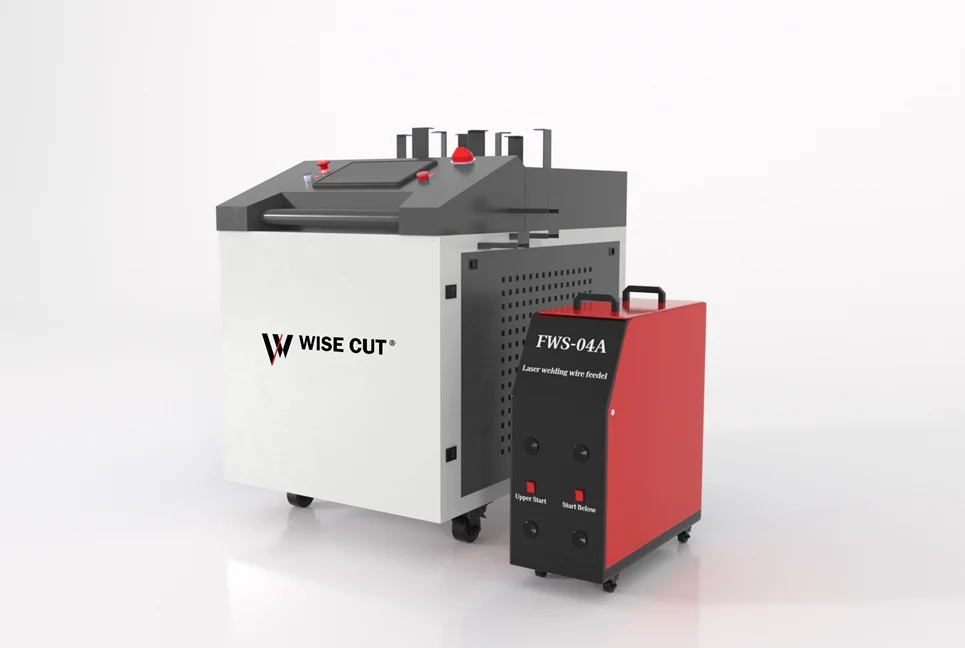
What Differentiates a Handheld Laser Welding Machine From Traditional TIG Solutions
Laser welding has developed into a highly effective approach for connecting metals in various sectors. In comparison, TIG setups rely strongly on the worker’s expertise and added materials. However, portable laser welders provide steady results via electronic accuracy.
To better understand the core differences, the following comparison highlights key performance indicators between handheld laser welding machines and traditional TIG solutions:
| Aspect | Handheld Laser Welding Machine | Traditional TIG Welding |
|---|---|---|
| Precision | High, digitally controlled beam ensures consistent welds | Highly dependent on operator skill |
| Welding Speed | Very fast due to concentrated energy | Slower, requires manual control |
| Heat Affected Zone | Minimal, reduces material deformation | Larger, may cause warping |
| Post-processing | Almost none required, clean weld surface | Often requires grinding and polishing |
| Material Compatibility | Works well with stainless steel, aluminum, copper, brass, reflective metals | Struggles with reflective materials like aluminum and copper |
| Ease of Use | User-friendly interface, quick training | Requires long-term operator experience |
| Consumables | Low consumption, no filler in many cases | Requires filler rods and shielding gas |
| Automation Integration | Easily integrates with robots and CNC systems | Limited automation capability |
| Maintenance | Fewer wearable parts, lower downtime | Frequent replacement of consumables |
| Energy Efficiency | High photoelectric conversion efficiency (>25%) | Lower efficiency with higher heat loss |
Technological Advancements in Laser Welding Precision
Portable laser setups direct power into a sharp beam. This action cuts down on heat warping and preserves material strength, particularly with slim pieces. Moreover, the weld appears attractive, operates at rapid pace, shows no joining traces, avoids hue shifts, skips subsequent smoothing, and uses fewer supplies. Such superior surface standard shortens after-treatment duration greatly when set against TIG connections, which usually need abrasion or buffing. Additionally, beam management tools permit more exact joint shaping and lessened rusting. On the other hand, TIG depends on hand skill. Thus, minor changes in torch position or material addition might cause uneven depth or gaps.
Efficiency and Speed in Welding Operations
Laser setups reach greater joining rates due to their strong power concentration and focused warmth origin. Furthermore, Wisecut employs the Chinese brand CHAOQIANGWEIYE Pistol Gun & Wire Feeder, which feels light due to its compact dimensions, achieves quick rates, and creates attractive joints. Shorter preparation periods and brief cooling phases boost total output. By contrast, standard TIG methods call for extended readying durations because of protective gas arrangement and rod care.
Application Flexibility Across Materials and Thicknesses
Current portable laser welders manage stainless steel, aluminum, copper, brass, and shiny alloys with good results. Variable strength adjustments permit changing from fragile panel tasks to denser frame elements without altering gear. Meanwhile, TIG faces challenges especially with shiny areas like copper or aluminum, where spark steadiness turns unstable.
How Does a Handheld Laser Welder Improve Manufacturing Efficiency?
Switching to portable laser welding impacts the financial results straight away. It does so by cutting supply consumption, bettering round times, and easing workforce effort.
Reduced Operational Costs and Material Waste
Strong light-electric changeover rate indicates smaller power loss as warmth. Besides, the WT-W6000 joins dense and intricate substances without trouble. It features a joining depth reaching 14 mm. Steady beam standard lessens redo work or waste discards typical in hand TIG tasks. The 6KW Laser Welding Machine shows this expense-output harmony ideally. It is built for tough duties yet keeps low running expense for each connection.
Enhanced Mobility and Ergonomic Design
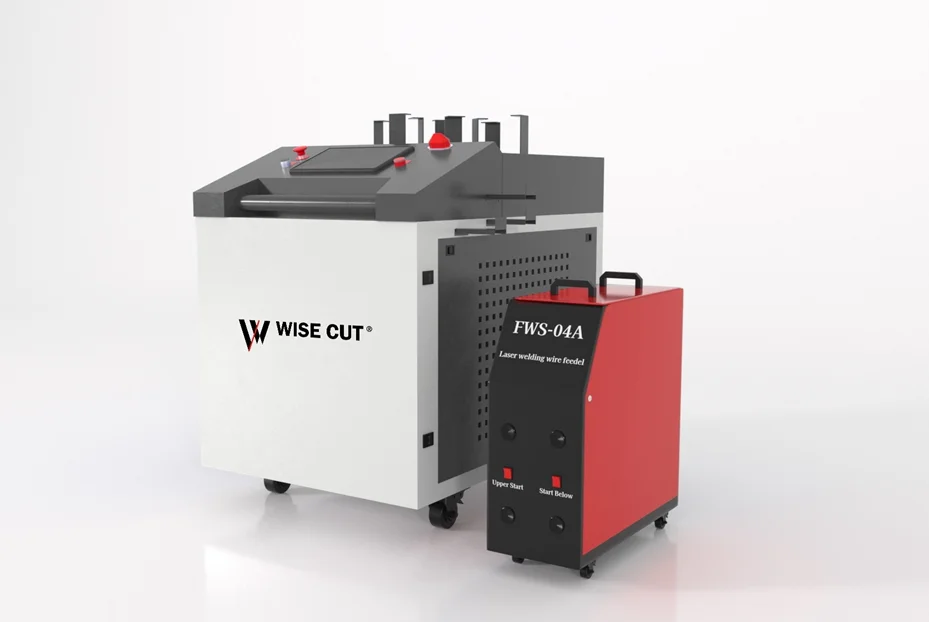
Small shapes render portable devices suitable for tight areas like vehicle structures or field fixes. In addition, the WT-weld II fiber laser welding marks a complete advance in joining tech… it stays small and not heavy. Light handles lessen worker tiredness over long work periods. The Water-cooled Laser Welding Machine holds firm production during nonstop use. It achieves this through its three-part condenser cooling setup, which stops excess heat.
Integration With Automated Production Lines
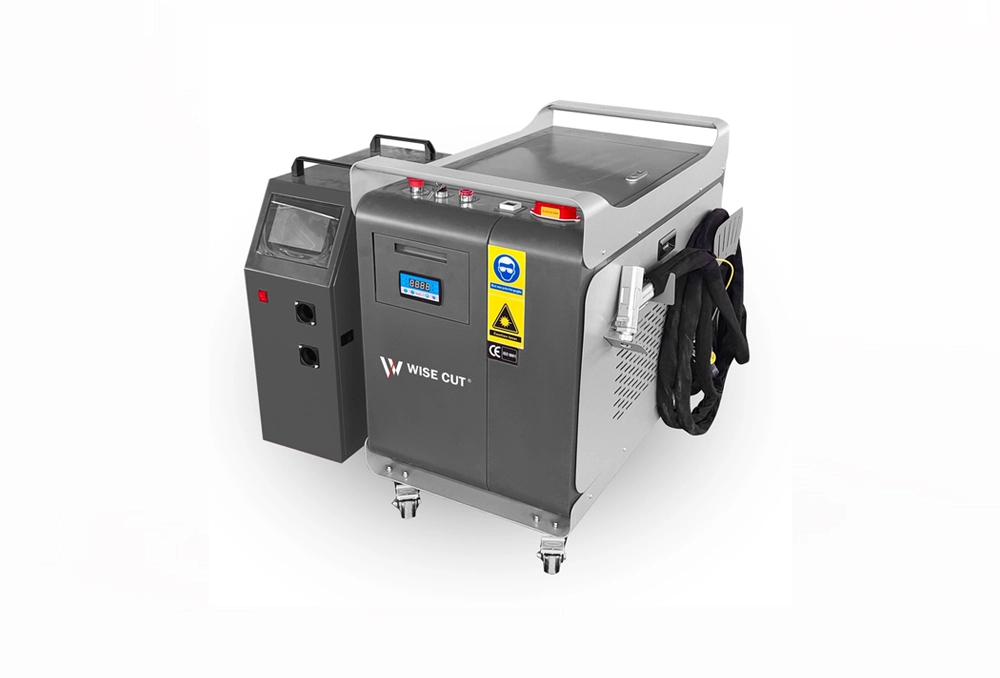
Electronic links permit simple linking to robot limbs or CNC bases for mixed automation arrangements. Moreover, the automated welding line integration solution from Wisecut’s solution page shows how portable devices can join bigger intelligent production networks. This happens via standard info exchange rules.
Why Is Laser Welding Considered a Cleaner Technology?
The term cleaner goes beyond just reduced smoke. It also covers warmth effectiveness and eco-friendliness across the whole making process.
Minimal Fume Generation and Heat-Affected Zones
Laser rays create slim warmth-influenced areas. These cut down rust on delicate substances such as stainless steel or titanium. Neat joints remove wide after-joining cleanup actions needed following TIG works, which frequently cause staining.
Energy Efficiency and Environmental Impact Reduction
Fiber lasers turn electric power into light with notable effectiveness, usually surpassing 25 percent. Also, the chiller setup with two warmth levels permits separate handling of the laser and handle tip. Such exact warmth management matches green making aims. It does this by dropping overall power use per produced item.
Improved Workplace Safety Through Controlled Operation
Present setups include several protection levels. For instance, locks stop unplanned release when the handle lacks ground contact. Sensors spot air force irregularities. Quick-stop buttons halt power right away if settings go beyond safe limits. Furthermore, with various alert systems, automatic secure after taking out the piece, and high protection. Learning sessions offered through Wisecut’s service portal add to building a stronger safety atmosphere at work.
In What Ways Do Laser Welding Machines Enhance Product Quality?
The main sign of any progressed connecting method rests in consistency. This means the power to create matching outcomes period after period.
Superior Weld Appearance and Structural Integrity
Even beam spread guarantees level outer layer without splash accumulation. Strong depth ability keeps physical power even on weight-supporting sections. Moreover, Raycus CE original third-generation single module CW fiber laser provides improved beam standard and longer lasting strength.
Reduced Post-Weld Finishing Requirements
Melted areas harden uniformly below focused warmth supply. As a result, there remains small warping or waste remains. Reduced abrasion shortens making rounds. This stands as a main benefit during growing group productions, unlike TIG’s regular cleanup demands.
Enhanced Repeatability Through Digital Control Systems
Adjustable settings keep best configurations for every substance kind. Therefore, each worker reaches identical outcomes no matter their background. Built-in watch records offer follow-up for checks. This serves as a vital aspect in vehicle or air-space rule settings.
How Does Maintenance Differ Between Laser and TIG Systems?
Care tasks hold a key part in steady operation dependability. Fewer supplies result in fewer breaks amid making sessions.
Simplified Maintenance Requirements
Differing from TIG arrangements needing steady swap of rods or gas tips, fiber lasers possess few erosion pieces. Also, self-check tools foresee part erosion prior to breakdown. Distant watch aid from Wisecut’s worldwide system holds break time minimal. It achieves this by spotting problems soon via web checks.
Longer Equipment Lifespan With Proper Cooling Systems
Effective water-handling avoids warmth strain on light pieces while keeping diode warmth steadiness even at 6 kW nonstop production stages. Routine fluid inspections maintain reliable action under tough loads.
Lower Downtime Through Modular Component Design
Fast-change parts ease on-site fixes lacking special implements. This proves perfect during running over many work turns or far-off work spots where aid experts lack instant access.
What Are the Key Considerations When Adopting Handheld Laser Welding Technology?
Taking up this tech requires weighing starting funds against ongoing gains while making sure fit with current work flows.
Investment Value Versus Long-Term ROI
While starting buy prices surpass those of TIG gear, cut supply use, quicker flow, and reduced redo levels bring fast return times. Power-saving action additionally drops full holding expenses across years of service. Full return studies can be found via Wisecut’s consultation resources.
Operator Training and Skill Adaptation Needs
A majority of workers adjust swiftly owing to user-friendly screen commands that take the place of tricky hand matching common in TIG arrangements. Full learning classes provided by Wisecut assist groups in grasping setting changes over varied metals in days instead of months.
Compatibility With Existing Manufacturing Infrastructure
Small base areas permit blending into present work stations without big design shifts. Link choices back Industry 4.0 settings through clever data links that enable central watch over the factory area. This forms a useful move to digital change backed by Wisecut specialists.
How Is the Future of Welding Shaped by Handheld Laser Innovations?
Laser tech keeps growing past metal making into fresh fields powered by machine learning smarts.
Transition Toward Smart Manufacturing Ecosystems
Machine-learning based rules start to tweak beam settings actively from sense input. This leads to self-adjusting joins that hold evenness amid setting changes. Forward-looking data review will shortly suggest care gaps on its own using gathered device info from linked setups around the world.
Expansion of Applications Beyond Traditional Metal Fabrication
Power cell making lines presently use tiny-laser welders for connector links where accuracy matters greatly. Electronic putting together applies them for thin copper ties once unfeasible with spark methods. Vehicle weight reduction gains from unlike-metal linking skills special to lasers. All these fields receive backing already via Wisecut’s solution portfolio.
Continuous Improvement Through Global Collaboration
Shared research efforts among makers, schools, and tech suppliers speed up new idea turns while common rules guarantee working together over systems. Wisecut’s news center often shares these progresses as a piece of its goal to push green factory growth worldwide.
FAQ
Q1: What materials can a handheld laser welder process effectively?
A: It works well on stainless steel, carbon steel, aluminum alloys, copper, brass, galvanized sheets—and even reflective metals difficult for TIG systems.
Q2: How thick can the 6 kW model weld?
A: The WT‑W6000 handles up to 14 mm thickness depending on alloy composition while maintaining consistent penetration quality across seams.
Q3: Do these machines require special cooling?
A: Yes; water-cooled variants use dual-circuit chillers maintaining ±1 °C stability to protect optics during continuous operation.
Q4: Can handheld units connect with robots?
A: They feature digital interfaces compatible with robotic arms or CNC controllers allowing hybrid automation setups within Industry 4.0 networks.
Q5: Where can technical support be accessed?
A: Global users receive 24/7 remote diagnostics plus on-site engineer visits within 48 hours via Wisecut’s service network.


