

A Complete Guide to Press Brake Bending: Types, Tools, and Best Practices
Time : Apr 23, 2026 View : 1,206
Press brake bending forms the central part of current sheet metal fabrication. When handling slim stainless panels or denser carbon steel sheets, the manner in which a sheet gets shaped frequently influences the end product standard. A minor angle shift can impact fitting together, and outer marks might lower item worth. For this reason, grasping how shaping occurs, selecting appropriate devices, and steering clear of typical errors holds greater importance than many anticipate.
Within numerous workshops, shaping has shifted away from purely hand-based ability. Instead, it now blends device exactness, substance response, and procedure arrangement. Firms such as Wisecut have advanced this change by supplying combined fabrication options. These options link cutting, joining, and shaping into a more unified process flow.
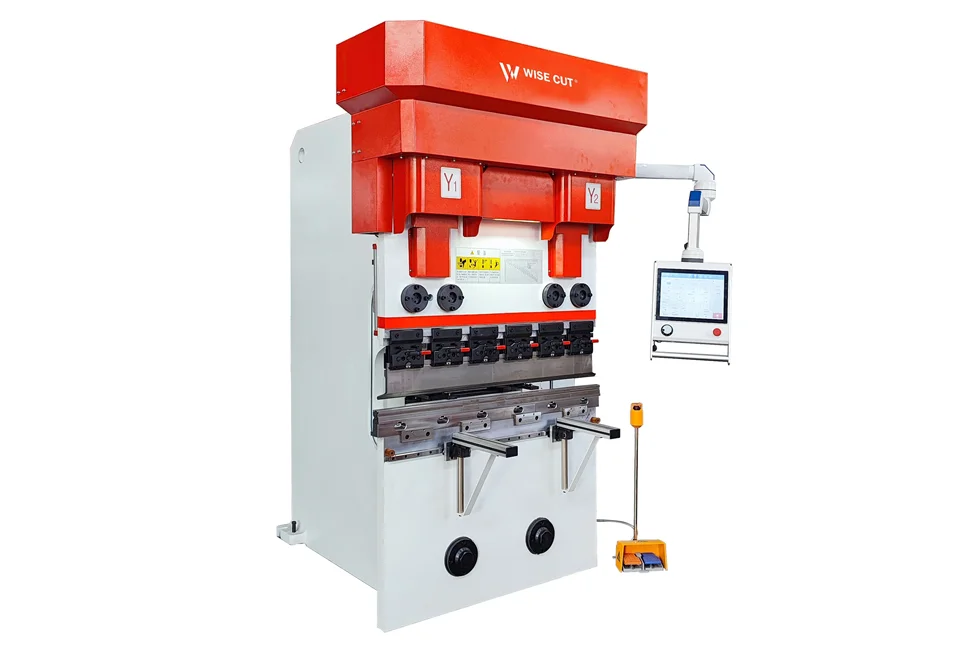
What Is Press Brake Bending?
Prior to exploring devices and instruments, it proves useful to explain what takes place in the shaping process.
Definition And Core Principle
Press brake bending employs a ram and mold to exert pressure on a metal sheet. This action results in lasting change. When the pressure surpasses the substance’s limit strength, the sheet adopts a fixed form. The process extends beyond simply forcing metal downward. Rather, the connection among pressure, direction, and substance depth shapes the ultimate outcome.
Why It Matters In Fabrication
Shaping typically follows cutting and precedes putting together. If the shaping phase fails, all following stages encounter problems. Within fields such as vehicle building or housing creation, a mere 1-degree mistake can generate fitting difficulties. Consequently, shaping receives regard as a vital procedure.
What Are The Main Types Of Press Brake Machines?
Various devices offer distinct advantages. Picking an unsuitable one frequently causes lost effort or irregular components.
Hydraulic Press Brake
Hydraulic devices depend on fluid pressure and matched cylinders. They provide even pressure along the bar, rendering them fitting for denser substances or sizable pieces. Numerous plants favor them due to dependability and broad usage scope.
Mechanical Press Brake
Mechanical setups utilize rotating wheels, drive shafts, and grips. They operate swiftly and prove effective in large-scale output. Nevertheless, adaptability remains restricted. After initial configuration, altering settings proves less straightforward.
CNC Press Brake
CNC devices bring in adjustable oversight. Bending orders can be saved, directions modified through digital means, and tasks repeated with strong exactness. For facilities managing diverse item varieties, CNC setups emerge as nearly essential.
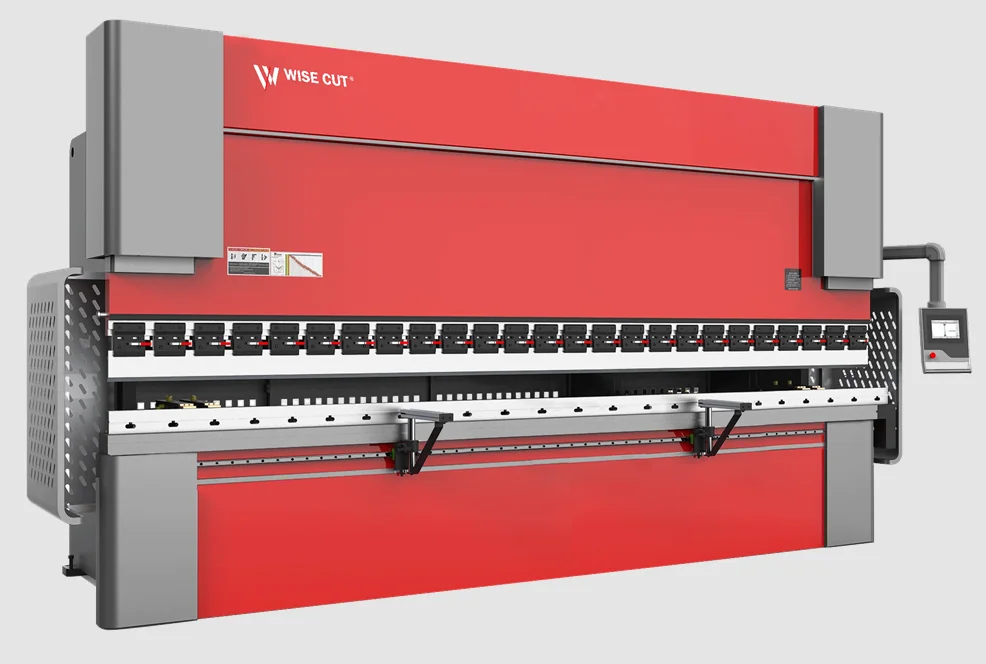
When considering up-to-date choices, devices such as the Hydraulic and Electric CNC Press Brake Machines illustrate how fluid power and electrical oversight combine effectively. For reduced-volume or exacting demands, the WISECUT 40TX1200MM CNC Press Brake Electric Model delivers a small-scale yet precise arrangement.
What Are The Key Bending Methods And Techniques?
Bottoming
Bottoming drives the sheet solidly into the mold. The direction gets set by the mold itself. Therefore, the outcome stays reliable. This approach demands greater pressure but yields superior exactness.
Air Bending
Air bending offers more adaptability. The ram fails to push the sheet completely into the mold. Instead, the direction relies on entry depth. Less pressure gets used, and a single mold can manage various directions. However, the downside involves more evident rebound.
Coining
Coining employs intense pressure to remove rebound. The substance gets compelled into precise form. It produces exact outcomes but heightens instrument erosion and power use.
During actual application, many facilities combine these approaches based on substance kind and output quantity.
How To Choose The Right Tooling And Dies?
Instruments often receive underestimation, yet they influence shaping standard directly.
Punch And Die Selection
Rams appear in multiple tip curves and directions. Molds vary in gap size and form. A standard guideline states that the mold gap ought to measure roughly 6 to 10 times the substance depth. If too broad, the direction turns unsteady. If too tight, the sheet might fracture.
Matching Tool To Material
Flexible substances like aluminum respond unlike tough steel. From real examples, wrong instrument choice ranks among primary reasons for outer harm and breaking. Thoughtful pairing cuts these dangers.
When observing how producers craft arrangements, many presently supply tailored instruments within their aid. This integration appears in wider backing via their service page.
What Common Bending Errors Should You Watch For?
Even skilled workers face repeated problems. Identifying them soon conserves effort.
Angle Inconsistency
This issue generally arises from irregular pressure, faulty instrument arrangement, or substance differences. Adjustment prior to output aids in lessening this.
Springback
Substance naturally reverts a bit following shaping. This behavior proves typical. However, without adjustment, directions will deviate. CNC setups frequently contain adjustment options for this effect.
Cracking And Surface Damage
Breaks commonly surface when the shape curve proves too minimal or the substance too fragile. Outer scrapes may stem from eroded instruments or improper managing.
In genuine output, minor aspects hold significance. For instance, particles or dirt on instruments can imprint traces on completed components.
What Safety Practices Should Be Followed?
Shaping devices produce substantial pressure. Protection stands as non-negotiable.
Operator Protection
Workers ought to don suitable shielding equipment and maintain clearance from the active zone. Up-to-date devices incorporate beam barriers and urgent halt mechanisms.
Machine Safety Features
From the information source, protection parts like urgent halt switches, air controls, and flow guards fulfill essential functions. These setups avert excess load, circuit faults, and unforeseen dangers. Devices featuring built-in protection layout diminish hazard amid extended output periods.
What Factors Affect Bending Accuracy?
Exactness does not rely on a single element. Instead, it stems from a blend of multiple aspects.
Machine Precision
A firm device framework guarantees repeatability. As an example, joined frames with tension-relief handling enhance enduring exactness.
Material Properties
Separate lots of identical substance may act variably. Depth changes or firmness shifts can alter shaping outcomes.
Setup And Calibration
Faulty positioning between ram and mold results in irregular shaping. Routine verifications and adjustments sustain steadiness.
How Can You Improve Bending Efficiency?
Effectiveness extends beyond mere quickness. It encompasses cutting redo work and idle periods as well.
Program Optimization
CNC setups permit saving and reusing shaping orders. This action shortens preparation time for recurring tasks.
Pre-Measurement And Planning
Assessing substance depth and arranging shaping order beforehand avoids errors. In intricate components, the shaping succession carries more weight than foreseen.
Integrated Production Workflow
Certain producers link shaping with cutting and joining setups. When these procedures align, creation moves more fluidly. Associated changes and example views appear through the news center.
Are There Alternatives To Traditional Bending?
Standard press brakes continue to lead, yet other options exist.
Automated Bending Systems
Machine-driven shaping setups lessen hand managing. They prove helpful for large-quantity output but demand uniform pieces.
Other Forming Methods
Approaches such as coil shaping or pressing can substitute bending in specific uses. Still, they miss adaptability for limited group output.
What Costs Should You Consider?
Expense always draws attention, particularly during device investment.
Machine Investment
Starting expense varies with device kind. CNC setups carry higher price but yield lasting worth via exactness and lessened discard.
Tooling Cost
Tailored instruments increase outlay but boost effectiveness in repeated duties.
Production Efficiency
Quicker round times and reduced flaws decrease total expense. Many facilities discover that funding superior devices yields returns via reliable production.
When assessing providers or arranging acquisition, reviewing specifics like firm history and skills assists. Such review occurs via the about us page or direct outreach through the contact page.
FAQ
Q1: What Is The Difference Between Air Bending And Bottoming?
A: Air bending uses less force and allows flexible angles, while bottoming presses the sheet fully into the die for higher accuracy.
Q2: How Do You Reduce Springback In Bending?
A: Adjust bending angle compensation, use proper tooling, or apply higher force methods like coining when needed.
Q3: What Material Is Hardest To Bend?
A: High-strength steel and thick stainless steel are more difficult due to higher resistance and springback.
Q4: How Often Should Press Brake Tools Be Replaced?
A: It depends on usage. Regular inspection is key. Worn tools should be replaced once surface defects or angle issues appear.
Q5: Is CNC Press Brake Worth The Investment?
A: For operations with varied products or high precision needs, CNC machines usually justify their cost through consistency and reduced manual adjustments.


