

Sicherheitsleitfaden für Bediener beim Handlaserschweißen
Zeitpunkt: 24. Juli 2026 Ansicht : 560
Warum ist die Sicherheit beim Handlaserschweißen wichtig?
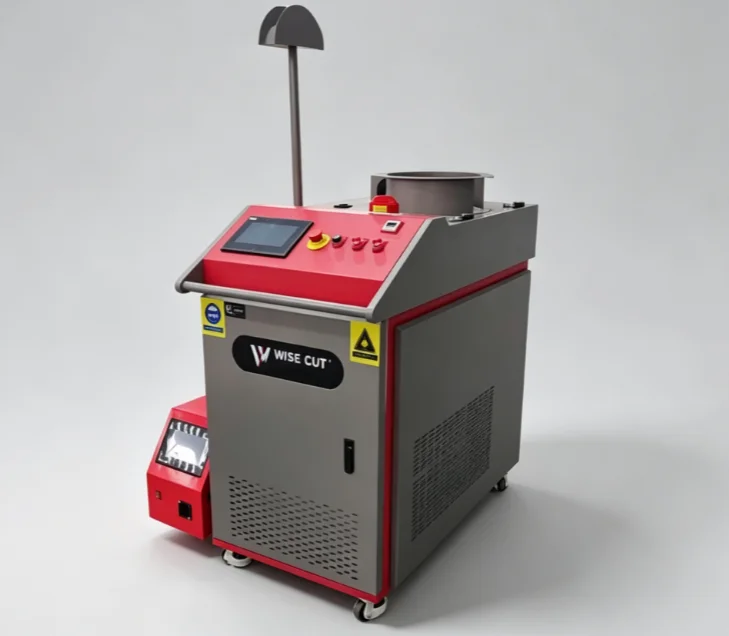
Sicherheit beim Handlaserschweißen Leitfaden für Bediener von handgeführten Laserschweißgeräten im praktischen Werkstatteinsatz zum Schweißen von Edelstahl, Kohlenstoffstahl, Schränken, Türen, Rahmen und Ersatzteilen. Dieser Prozess kann extrem schnell und sauber vonstattengehen. Eine lose Masseklemme, eine verschmutzte Linse oder eine glänzende Platte können jedoch ein ernstes Sicherheitsrisiko darstellen.
Informieren Sie sich über das Hauptrisiko, bevor Sie beginnen
Beim Handlaserschweißen sind zunächst die Gefahren durch den Laserstrahl und die Laserstrahlung zu beachten. Anschließend sind die spezifischen Augen- und Hautgefahren beim Laserschweißen zu berücksichtigen. Weitere Gefahren sind Rauch, Brandgefahr und die mit dem Schweißen allgemein verbundenen Stromschlaggefahren. Da in der Schweißwerkstatt ohnehin Hitze, Funken, Gase und Kabel vorhanden sind, müssen zusätzliche Sicherheitsregeln für das Laserschweißen jederzeit eingehalten werden – nicht nur während der Schulung.
Welche persönliche Schutzausrüstung ist für das Handlaserschweißen erforderlich?
Ihre persönliche Schutzausrüstung (PSA) ist Ihr erster Schutz gegen Laserschweißen. Stellen Sie sicher, dass Sie die richtige PSA für die jeweilige Arbeit ausgewählt haben und führen Sie vor Arbeitsbeginn eine einminütige Überprüfung durch. Berücksichtigen Sie dabei die Laserwellenlänge, die Maschinenleistung, das zu schneidende/schweißende Material und den Arbeitsbereich.
Tragen Sie eine Laserschutzbrille und einen Laserschweißhelm.
Der Laserschutz muss die richtige Wellenlänge und optische Dichte für den verwendeten Laser aufweisen. Standard-Schutzbrillen bieten keinen ausreichenden Schutz vor Laserschäden. Laserschweißhelme Weitere Informationen finden Sie hier. Beim Schweißen von verzinktem Blech oder anderen beschichteten Stählen ist möglicherweise Atemschutz erforderlich. Tragen Sie außerdem flammhemmende Kleidung, Handschuhe und Sicherheitsschuhe. Tragen Sie keinen glänzenden Schmuck wie Ringe, Uhren oder lose Ketten.
Wie richtet man einen lasergesteuerten Bereich ein?
Ein lasergesteuerter Bereich dient dazu, andere Personen in sicherer Entfernung von potenziellen Gefahren zu halten. Die Definition eines solchen Bereichs muss nicht kompliziert sein, sondern lediglich klar definiert. Selbst in einer kleinen Werkstatt kann ein einzelner offener Gang oder Durchgang in der Nähe einer Schweißbank eine Gefahr für andere Personen darstellen.
Verwenden Sie Schilder, Absperrungen und sorgen Sie für einen sauberen Arbeitsbereich.
Warnschilder für Schweißlaser müssen für alle Mitarbeiter gut sichtbar sein. Laserschutzbarrieren oder -vorhänge sollten um Türen, Arbeitsgänge und andere gemeinsam genutzte Arbeitsbereiche herum angebracht werden, um die Schweißzone abzugrenzen. Der Arbeitsbereich muss sauber und frei von Öl, Papier, Holzstaub, Alkohol und Werkzeugresten sein. Eine nicht reflektierende Arbeitsfläche kann ebenfalls verwendet werden. Ein Feuerlöscher sollte griffbereit sein.
Was sollten die Bediener vor dem Schweißen überprüfen?
Eine Sicherheitsprüfung vor Betriebsbeginn kann unnötige Stillstände und Unfälle verhindern. Die meisten Probleme beginnen mit ersten Anzeichen von Verschleiß und lassen sich erkennen, bevor sie Schäden verursachen. Beispiele hierfür sind: Staub auf der Schutzlinse der Cyclohexanon-Schutzbrille, niedriger Gasdruck im Hubwagen, ein lockerer Schlauchverschluss oder ein fehlendes Sicherheitsverriegelungssignal.
Überprüfen Sie Maschine, Brenner, Linse und Gas
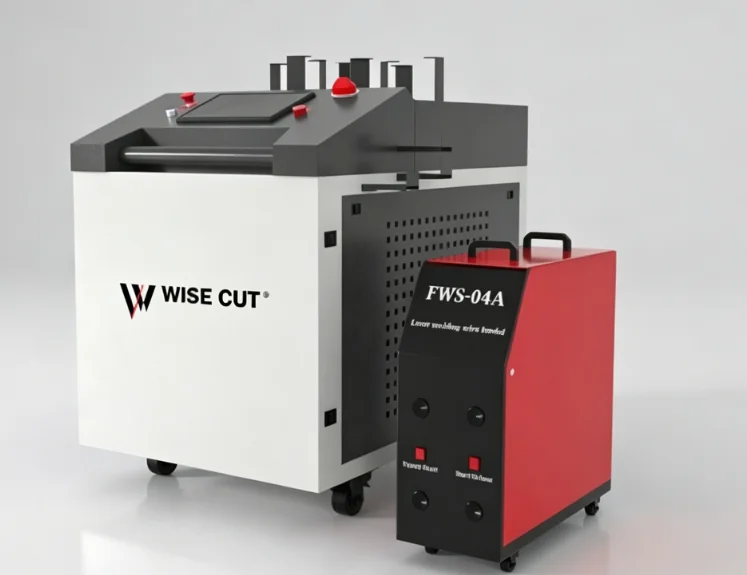
Prüfen Sie zunächst die einwandfreie Funktion des Laserschweißgeräts. Kontrollieren Sie das Netzkabel, den Not-Aus-Schalter, die Sicherheitsverriegelung, den Schweißbrenner, die Schutzlinse und das Kühlsystem. Prüfen Sie außerdem die Gaszufuhr. Die handgeführten Laserschweißsysteme von WiseCut sind mit Leistungen von 1000 W, 1500 W, 2000 W und 3000 W erhältlich. Alle WiseCut-Handlaserschweißsysteme verfügen über CE-geprüfte Sicherheitskonzepte, eine übersichtliche Kabelführung, Warnhinweise für Laser der Klasse 4, einen Schlüsselschalter, Schraubverriegelungen für alle elektrischen Komponenten und eine klare Trennung von Wasser- und Elektrobereichen.
Die Masseklemme ist für die Sicherheitslogik von WiseCut unerlässlich. Diese Logik nutzt die Verbindung zwischen Masseklemme, Brennerkopf und Auslöseknopf als eine der Bedingungen für die Laseremission. Falls kein Sicherheitssignal anliegt, überprüfen Sie die Sicherheitsplatte und die Klemme am Brennerkopfdraht. Der Referenz-Schweißgasdruck für Schweißen und Reinigen beträgt 0,150 MPa.
Wie können Bediener beim Laserschweißen sicher arbeiten?
Sicher arbeiten mit Handheld Laserschweißmaschine Es erfordert ruhige Hände und ein gleichmäßiges Arbeitstempo. Saubere Schweißnähte entstehen durch kontrolliertes Arbeiten, nicht durch schnelles Arbeiten.
Steuere die Fackel und die Reflexionen
Halten Sie den Brenner fest. Richten Sie den Laserstrahl niemals auf sich selbst oder andere Personen. Fixieren Sie das Werkstück vor dem Schweißen mit einer Klemme. Achten Sie bei der Positionierung glänzender Metalle auf die Gefahr von Laserreflexionen. Ein von einer glänzenden Metalloberfläche reflektierter Laserstrahl darf nicht auf Personen, Glas, helle Werkzeuge oder Gehwege gerichtet werden. Die Brenner von WiseCut sind mit einer Schutzkappe gegen unbeabsichtigtes Betätigen des Auslösers, mehreren Sicherheitsalarmen und einer automatischen Verriegelung nach dem Entfernen des Werkstücks ausgestattet. Länge des Glasfaserkabels: 10 m / Biegeradius: 80 mm. Die Faser verfügt über einen Selbstschutz gegen Verschleiß, Alterung, kleinen Biegeradius, Überhitzung und Laserleckage. Stellen Sie die Leistung innerhalb der Möglichkeiten der Handlaserschweißgeräte ein. Beachten Sie jedoch stets die Strahlrichtung.
Was sollten die Bediener nach dem Schweißen tun?
Die Nachbearbeitung nach dem Schweißen wird oft vernachlässigt, weil heiße Teile, verschmutzte Optiken und Schweißrauche die Arbeit beeinträchtigen. Die Schweißnaht sieht fertig aus, und alle denken, sie könnten sich nun entspannen.
Probleme herunterfahren, reinigen und protokollieren
Schalten Sie zuerst den Laser aus und anschließend, falls in Betrieb, die Drahtzufuhr. Befolgen Sie dann die Anweisungen Ihres Betriebs zum Abschalten der Stromversorgung. Lassen Sie das Kühlsystem vollständig abkühlen. Reinigen Sie anschließend den Brenner und überprüfen Sie die Schutzlinse des Lasers an einem sauberen, windstillen und staubfreien Ort. Sollten Sie schwarze Flecken oder Staubspuren feststellen, tauschen Sie die Linse gegebenenfalls aus. Führen Sie ein Wartungsprotokoll und ein Protokoll der Sicherheitsinspektionen.
Warum sollten Sie WiseCut für sichere Schweißarbeiten in Betracht ziehen?
WiseCut WiseCut ist ein Anbieter von Metallbearbeitungsmaschinen mit Schwerpunkt auf Laserschweißmaschinen, Laserschneidmaschinen, Abkantpressen, Laserreinigungsmaschinen und zugehörigen Lösungen. Das Unternehmen ist seit 2020 als Hightech-Unternehmen anerkannt, seit 2018 nach ISO 9001:2000 zertifiziert, verfügt über die CE-Kennzeichnung für Maschinen der Marke WiseCut und betreibt Produktionsstätten in Tianjin und Jinan. WiseCut bietet außerdem weltweit rund um die Uhr Ferndiagnose, englischsprachigen Kundendienst, Ersatzteilversorgung, Bedienerschulungen und Vor-Ort-Service innerhalb von 48 Stunden.
Passen Sie die Maschine an den Shop an
Bei der Auswahl der Ausrüstung zum Schweißen, Reinigen, Metallschneiden und Biegen sollten Sie das Material, die verfügbare Bearbeitungszeit, die Abkühlzeit, die Qualifikation des Bedieners und den erforderlichen Sicherheitsstandard berücksichtigen. Eine kleine Reparaturwerkstatt erfordert eine andere Ausrüstung als eine große Fabrik, in der den ganzen Tag Edelstahlschränke geschweißt werden.
FAQ (häufig gestellte Fragen)
Q1: Ist das Schweißen mit Handlasern sicher?
A: Ja, das Handlaserschweißen ist sicher, wenn die Bediener die Sicherheitsregeln für das Handlaserschweißen einhalten, die vorgeschriebene persönliche Schutzausrüstung tragen, einen laserkontrollierten Arbeitsbereich einrichten und die Maschine vor Beginn eines neuen Auftrags überprüfen.
Frage 2: Welche persönliche Schutzausrüstung (PSA) ist für das Handlaserschweißen erforderlich?
A: Für das Laserschweißen mit einem Handlaser ist persönliche Schutzausrüstung (PSA) erforderlich, wie z. B. eine Laserschutzbrille oder ein Laserschutzhelm, flammhemmende Kleidung und Handschuhe sowie Sicherheitsschuhe. Zusätzlich ist ein Atemschutz erforderlich, um das Einatmen von Dämpfen zu verhindern.
Frage 3: Warum stellen Laserreflexionsgefahren eine Gefahr dar?
A: Ein reflektierter Laserstrahl kann Augen oder Haut verletzen, selbst wenn der direkte Strahl kontrolliert erscheint.
Frage 4: Was sollte auf einer Checkliste für das Handlaserschweißen stehen?
A: PSA, Erdungsklemme, Not-Aus-Taster, Sicherheitsverriegelungssystem, Linsenzustand, Gasdruck, Kühlung, Werkstückklemmung und Warnschilder.
Frage 5: Warum ist eine Lasersicherheitsschulung wichtig?
A: Lasersicherheitsschulung Die Schulung lehrt die Bediener, wie sie den Lichtstrahl steuern, Alarme handhaben, auf Brände reagieren, persönliche Schutzausrüstung verwenden und unsichere Zustände melden.


