

Pressa piegatrice idraulica o elettrica: quale è la migliore per la piegatura della lamiera?
Data: 19 giugno 2026 Visualizzazione : 1.014
Nelle officine di lavorazione della lamiera, il confronto di pressa piegatrice idraulica contro pressa piegatrice elettrica L'acquisto di una pressa piegatrice per la lavorazione della lamiera inizia solitamente quando la produzione diventa più impegnativa. Un'azienda potrebbe aver bisogno di piegare lamiere d'acciaio al carbonio più spesse, mantenere tolleranze angolari più strette, ridurre i tempi di consegna o gestire un maggior numero di ordini di piccole dimensioni in un singolo turno. A quel punto, la scelta di una pressa piegatrice per la lavorazione della lamiera non si basa più solo sul prezzo. La decisione finale dipende dalla forza di piegatura, dalla lunghezza di lavoro, dalla ripetibilità, dal consumo energetico, dalle abitudini dell'operatore, dalle condizioni di manutenzione e dalla tipologia di pezzi che l'azienda prevede di produrre nei prossimi anni.
Qual è la principale differenza tra presse piegatrici idrauliche ed elettriche?
Un pressa piegatrice idraulica a controllo numerico Utilizza cilindri idraulici e pressione dell'olio per azionare il pistone. Questa struttura è ampiamente utilizzata nella lavorazione dei metalli perché è in grado di fornire una forza di formatura forte e stabile. Per le fabbriche che lavorano lamiere spesse, profilati lunghi, componenti strutturali, coperture per macchinari e componenti saldati pesanti, la piegatura idraulica rimane una scelta affidabile.
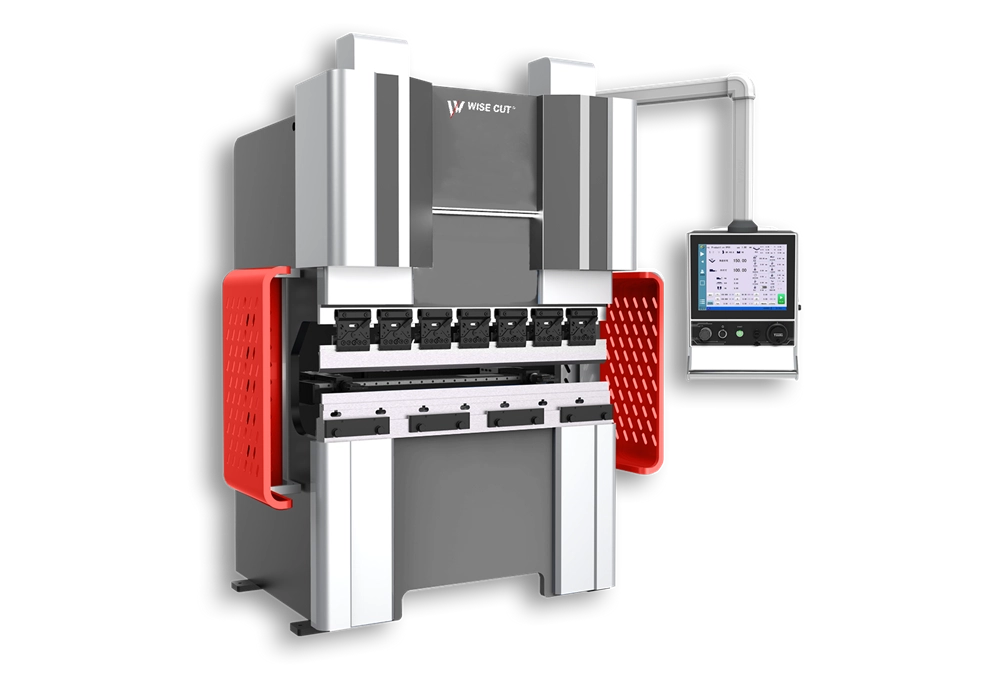
Una pressa piegatrice servoassistita utilizza la tecnologia di azionamento con servomotore per controllare il movimento del pistone. Senza un tradizionale sistema idraulico, può ridurre la manutenzione legata all'olio, diminuire la rumorosità di lavoro e mantenere più pulita l'area di piegatura. Per quadri elettrici, pannelli per ascensori, componenti HVAC, coperture in acciaio inossidabile, attrezzature da cucina e componenti di precisione in lamiera, questa differenza può influire sulla produzione giornaliera, sulla uniformità dei pezzi e sulla gestione dell'officina.
Quale pressa piegatrice è adatta al lavoro di produzione reale?
La scelta della macchina giusta dipende dal carico di lavoro principale. Una pressa piegatrice idraulica è generalmente più adatta quando la forza di piegatura è la priorità. Lamiere di acciaio al carbonio spesse, lamiere di acciaio inossidabile, lunghezze di piegatura elevate, angoli di formatura più profondi e pezzi di grandi dimensioni spesso richiedono una maggiore forza di tonnellaggio e un telaio robusto. Nelle officine di carpenteria pesante, una singola macchina può gestire diversi materiali e dimensioni di pezzi nello stesso giorno, quindi la robustezza e la durata nel tempo sono solitamente più importanti della velocità di ciclo.
Una pressa piegatrice elettrica è spesso più adatta per lamiere sottili, piegature di alta precisione e frequenti cambi di pezzo. Molte fabbriche di mobili, contenitori e pannelli non producono un solo disegno al giorno. Gli operatori possono cambiare utensili, regolare i programmi e modificare gli ordini più volte per turno. In questo stile di produzione, una pressa piegatrice CNC con controllo servoassistito può ridurre le piegature di prova, diminuire gli scarti e mantenere la uniformità dei pezzi dal primo all'ultimo.
L'accuratezza e la ripetibilità devono essere valutate in base alla produzione giornaliera.
Nella pratica industriale, la precisione di piegatura non si basa su un singolo campione accettabile. La prova più rigorosa consiste nel verificare se la pressa piegatrice è in grado di ripetere lo stesso angolo dopo decine o centinaia di piegature. Il posizionamento del pistone, il movimento del registro posteriore, le condizioni degli utensili, il ritorno elastico del materiale e la configurazione dell'operatore influenzano tutti il risultato finale.
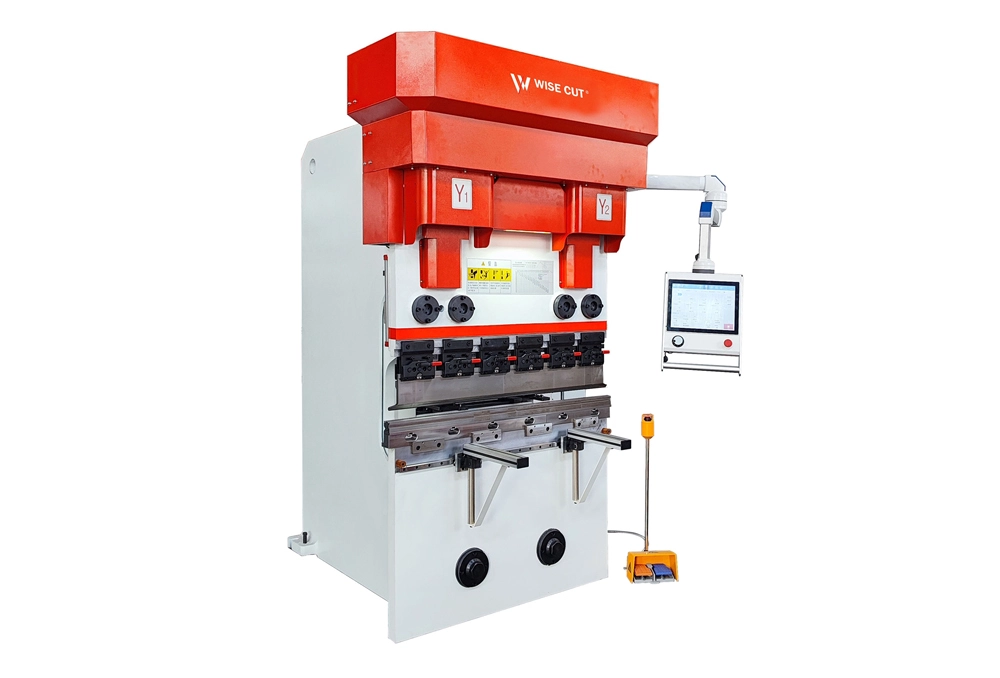
WISECUT’S Pressa piegatrice CNC elettrica modello 40TX1200MM È progettata per la piegatura di precisione della lamiera. La macchina offre una pressione di piegatura di 40 tonnellate, una lunghezza di piegatura di 1250 mm, controllo CNC a 4 assi e una precisione di posizionamento ripetibile di 0,01 mm. La sua velocità di discesa e ritorno rapida raggiunge i 200 mm/s, mentre la velocità di piegatura è regolabile tra 20 e 50 mm/s. Per le aziende che producono quadri elettrici, staffe, coperchi, pannelli per armadi e piccoli componenti strutturali, queste specifiche si traducono direttamente in una produzione stabile, minori rilavorazioni e consegne prevedibili.
Il consumo energetico e la manutenzione incidono sul costo reale
Molti acquirenti confrontano le presse piegatrici elettriche e quelle idrauliche basandosi unicamente sul prezzo d'acquisto. Questo approccio, tuttavia, spesso non tiene conto dei costi totali di gestione. Una pressa piegatrice idraulica può rappresentare un investimento migliore per la piegatura di carichi elevati e la lavorazione di lamiere spesse, ma richiede anche il controllo dell'olio idraulico, la manutenzione delle guarnizioni, il controllo della temperatura dell'olio, la verifica delle tubazioni e una manutenzione periodica. Se questi aspetti vengono trascurati, la reattività della macchina e la stabilità angolare potrebbero risentirne gradualmente.
Una pressa piegatrice servoassistita elimina diversi punti di manutenzione legati ai sistemi idraulici. Può inoltre ridurre gli sprechi di energia durante il funzionamento quotidiano. La piegatrice servoassistita di WISECUT è progettata per far risparmiare fino al 70% di energia rispetto alle tradizionali piegatrici idrauliche. Per gli stabilimenti che lavorano su uno o due turni al giorno, un minore consumo di elettricità, meno interventi di manutenzione legati all'olio, un funzionamento più pulito e tempi di inattività ridotti possono diventare più importanti della differenza di prezzo iniziale.
Perché Pechino WISECUT LTD è importante per gli acquirenti di presse piegatrici
PECHINO WISECUT LTD L'azienda fornisce attrezzature per la lavorazione dei metalli, tra cui macchine per il taglio laser a fibra, saldatrici laser, macchine per la pulizia laser, presse piegatrici CNC e piegatrici elettriche. Questa gamma di prodotti è utile per gli acquirenti B2B perché taglio, piegatura, saldatura e pulizia delle superfici sono spesso integrate nello stesso flusso di lavoro produttivo. Un'azienda che progetta una linea completa di lavorazione della lamiera di solito necessita non solo di una macchina, ma anche di un'adeguata pianificazione dei processi, selezione delle attrezzature, formazione e assistenza post-vendita.
Lo stabilimento WISECUT di Tianjin integra produzione, ricerca e sviluppo e assistenza post-vendita, includendo anche le presse piegatrici nella sua gamma di prodotti. I documenti aziendali attestano lo status di impresa ad alta tecnologia, la certificazione ISO 9001:2000 e la certificazione CE per le macchine a marchio WISECUT. WISECUT si attiene inoltre al suo principio "Friendly 4", che comprende installazione, funzionamento, assistenza e manutenzione semplici. Per gli acquirenti esteri, la reattività del servizio è un fattore determinante nella scelta d'acquisto. WISECUT supporta i propri clienti con un servizio post-vendita in inglese, diagnostica remota 24 ore su 24, 7 giorni su 7, fornitura di pezzi di ricambio e supporto tecnico, con oltre 1000 macchine operative in più di 20 paesi.
Come valutare le opzioni prima di richiedere un preventivo per una pressa piegatrice CNC
Una fabbrica dovrebbe optare per una pressa piegatrice idraulica a controllo numerico (CNC) quando la produzione principale riguarda materiali spessi, tonnellaggi elevati, pezzi lunghi o lavorazioni di formatura gravose. Questa scelta è comune per componenti strutturali, parti di macchine edili, parti di attrezzature agricole, telai pesanti e altre lavorazioni in cui la forza di piegatura è più importante della velocità o del risparmio energetico.
Una fabbrica dovrebbe optare per una pressa piegatrice elettrica quando la lavorazione principale riguarda lamiere sottili, alta precisione, frequenti cambi di pezzi, esigenze di pulizia dell'officina e bassi costi di esercizio giornalieri. Questa soluzione è adatta alla produzione di quadri elettrici, pannelli per ascensori, componenti HVAC, coperture in acciaio inossidabile, attrezzature da cucina e officine di lavorazione di precisione.
Prima di richiedere un preventivo per una pressa piegatrice CNC, gli acquirenti devono fornire informazioni sullo spessore massimo della lamiera, il tipo di materiale, la lunghezza di piegatura, la tolleranza angolare richiesta, il volume di produzione giornaliero, i disegni dei pezzi, i requisiti di tensione e la disposizione dell'officina. Questi dettagli aiutano il fornitore a consigliare una piegatrice per lamiera adatta alla produzione effettiva, anziché una configurazione standard che potrebbe non essere idonea.
Conclusione
Non esiste un vincitore assoluto tra presse piegatrici idrauliche ed elettriche. Le macchine idrauliche rimangono più efficaci per la piegatura di lamiere spesse, pezzi lunghi e lavorazioni ad alto tonnellaggio. Le macchine elettriche sono più adatte alla piegatura di precisione della lamiera, al minor consumo energetico, a una produzione più pulita e ai frequenti cambi di lavoro. Per gli acquirenti B2B, la decisione finale dovrebbe basarsi sullo spessore del materiale, sulla lunghezza di piegatura, sui requisiti di tolleranza, sul ritmo di produzione, sulla capacità di manutenzione e sui costi operativi a lungo termine. BEIJING WISECUT LTD fornisce presse piegatrici CNC e attrezzature correlate per la lavorazione dei metalli, pensate per le aziende che necessitano di una selezione pratica delle macchine in base alle reali condizioni di produzione.
FAQ
D1: Come posso scegliere tra una pressa piegatrice idraulica e una elettrica per la piegatura della lamiera?
A: La scelta dipende dallo spessore del materiale, dalla lunghezza di piegatura, dal tonnellaggio richiesto, dal volume di produzione, dai requisiti di precisione e dalle condizioni di manutenzione. Una pressa piegatrice idraulica è generalmente più adatta per lamiere spesse e piegature ad alta forza, mentre una pressa piegatrice elettrica è più indicata per la piegatura di precisione della lamiera, per ambienti di lavoro più puliti e per un minore consumo energetico.
D2: Per la produzione di mobili, è meglio utilizzare una pressa piegatrice elettrica o idraulica?
A: Per quadri elettrici, scatole di controllo, pannelli per ascensori, componenti per impianti HVAC e custodie in lamiera sottile, una pressa piegatrice elettrica è spesso la scelta migliore. Offre elevata ripetibilità, tempi di risposta rapidi, funzionamento pulito e maggiore idoneità per frequenti cambi di pezzo.
Q3: Quale pressa piegatrice è la migliore per piegare l'acciaio al carbonio di grosso spessore?
A: Una pressa piegatrice CNC idraulica è generalmente più adatta per la piegatura di acciaio al carbonio di grosso spessore, poiché offre una forza di formatura maggiore e una migliore capacità per lavorazioni pesanti. Prima di scegliere un modello, gli acquirenti dovrebbero calcolare il tonnellaggio in base allo spessore del materiale, alla lunghezza di piegatura, all'apertura della matrice e alla forma del pezzo.
Q4: Una pressa piegatrice servoelettrica riduce il consumo energetico?
R: Sì. Una pressa piegatrice elettrica servoassistita può ridurre il consumo energetico perché il sistema di azionamento servoassistito funziona in modo più diretto durante le operazioni di piegatura. La piegatrice elettrica servoassistita di WISECUT è progettata per far risparmiare fino al 70% di energia rispetto alle tradizionali piegatrici idrauliche.
Q5: Quali informazioni è necessario fornire prima di richiedere un preventivo per una pressa piegatrice CNC?
A: L'acquirente deve fornire il tipo di materiale, lo spessore massimo della lamiera, la lunghezza di piegatura, la precisione richiesta, la quantità di produzione giornaliera, i disegni dei pezzi, i requisiti di tensione, il tipo di macchina preferito e le condizioni dell'officina. Questi dettagli aiutano a scegliere la pressa piegatrice per lamiera più adatta alla linea di produzione specifica.


