
Macchina per la pulizia laser per la rimozione della ruggine: applicazioni, potenza e limitazioni
Data: 14 agosto 2026 Visualizzazione : 633
Un macchina per la rimozione della ruggine tramite laser Può rimuovere ossido, residui di vernice e contaminazioni leggere senza asportare metallo sano. Questo è il suo punto di forza. Il problema è semplice: la rimozione della ruggine dipende dalla potenza, dal comportamento del fascio laser, dalle condizioni della superficie, dall'abilità dell'operatore e dalla finitura desiderata dopo la pulizia. Un'officina che ripara piccoli utensili ha un lavoro ben diverso da una fabbrica che pulisce telai saldati prima della verniciatura.
Questa guida offre una prospettiva pratica sull'acquisto, non una brochure di laboratorio. Spiega dove si colloca la pulizia laser, cosa significano le classi di potenza, perché i sistemi pulsati e continui non dovrebbero essere confrontati solo in base al wattaggio e come testare una macchina prima dell'acquisto. Per un riferimento concreto sulla macchina, puoi consultare questo macchina per la pulizia laser portatile.
Come funziona una macchina laser per la rimozione della ruggine?
La pulizia laser invia un fascio di luce concentrato sullo strato di ruggine. La ruggine assorbe energia, si riscalda rapidamente e si dissolve sotto forma di polvere, vapore o particelle libere. Il metallo di base solitamente riflette una maggiore quantità del raggio, quindi viene meno danneggiato se le impostazioni sono corrette. Una messa a fuoco errata, una velocità di spostamento ridotta o passaggi ripetuti possono comunque lasciare segni sul substrato.
Pulizia a onde pulsate vs. pulizia a onde continue
La pulizia a impulsi genera brevi raffiche di calore. Viene spesso scelta per il posizionamento preciso, l'azione su superfici più delicate, stampi, pezzi sottili e lavori in cui i segni di calore sono importanti. macchina per la pulizia laser a impulsi Adatto sia per la pulizia manuale che automatica, quando il lavoro richiede un controllo più preciso.
La pulizia a onda continua rilascia energia in modo più costante. È comunemente utilizzata per ruggine ostinata, grandi strutture e per volumi di lavoro giornalieri elevati. Non confrontare i valori di una pulizia a impulsi con quelli di una pulizia continua come se fossero lo stesso valore. La larghezza dell'impulso, la potenza di picco, la dimensione dello spot, la velocità di scansione e lo spessore della ruggine influenzano il risultato.
Dove la rimozione della ruggine con il laser risulta più efficace?
La pulizia laser è più efficace quando le superfici da lavorare sono ripetibili, l'accesso per i materiali di sabbiatura è limitato o è necessario un rigoroso controllo degli scarti. È utile anche quando si ha bisogno di pulire un'area specifica senza immergere l'intero pezzo in sostanze chimiche. Gli utenti B2B in genere si preoccupano di produttività, ripetibilità e sicurezza. Gli utenti B2C, invece, si preoccupano di portabilità, prezzo e della possibilità di lavorare su pezzi arrugginiti direttamente a casa.
Ideale per negozi e stabilimenti
Tra le applicazioni ideali si annoverano la lavorazione dell'acciaio, la riparazione di macchinari, il restauro di telai di veicoli, la manutenzione degli stampi, la pulizia localizzata nei cantieri navali, la preparazione per la verniciatura e la pulizia pre-saldatura. Il vantaggio principale risiede spesso nella minore necessità di pulizia secondaria e nella minore area pulita.
Lamiere sottili, acciaio inossidabile lucidato, leghe morbide, superfici placcate e pezzi antichi richiedono prima un test su campione. Un risultato apparentemente pulito potrebbe comunque nascondere ossidazione dovuta al calore, micro-corrosione o una texture alterata.
Di quanta potenza hai bisogno per rimuovere la ruggine?
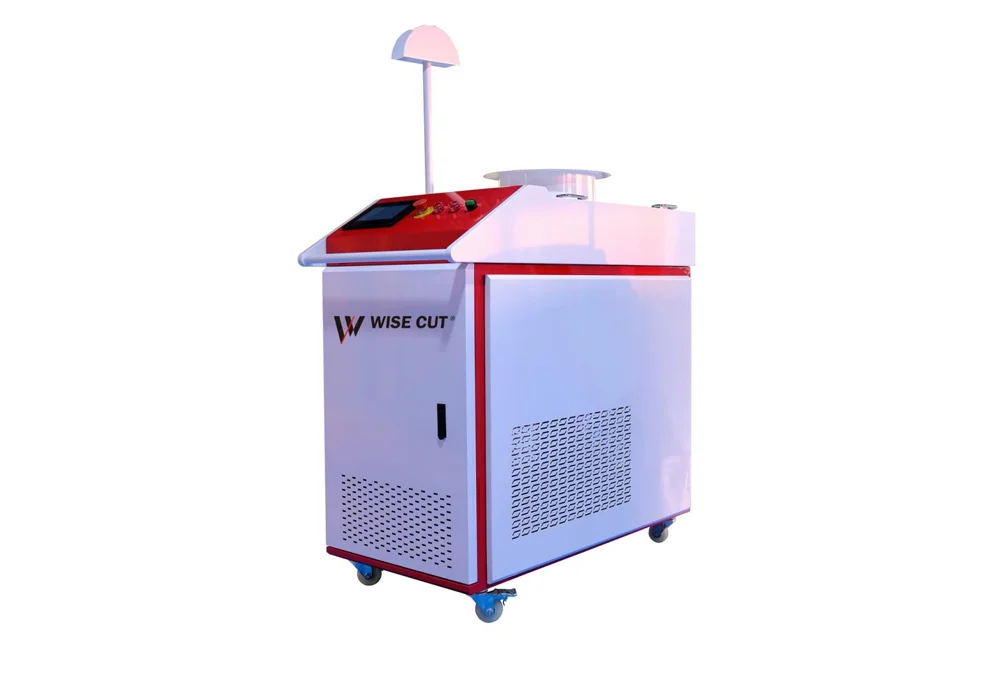
La potenza è importante, ma rappresenta solo una parte del processo di pulizia. I dati riportati di seguito provengono dalle specifiche pubblicate dal produttore e verificate il 3 agosto 2026. Il campione preso in esame comprende i modelli di pulitori a fibra continua WT-C1000, WT-C1500 e WT-C2000. La base di riferimento è la potenza laser nominale e i parametri della macchina indicati, non un test cronometrato su tutti i livelli di ruggine.
|
Punto dati |
Fonte e ambito |
Base di misurazione |
Condizioni e limiti di utilizzo |
|
1,000 W / 1,500 W / 2,000 W |
Dati ufficiali relativi a tre modelli di fibre continue, verificati il 3 agosto 2026. |
Potenza nominale in uscita, non metri quadrati all'ora. |
Per pulizie da medie a intense. La velocità varia in base alla profondità della ruggine, allo strato di vernice, alla messa a fuoco, all'ampiezza di scansione e allo spostamento dell'operatore. |
|
Regolazione della potenza dal 10% al 100% |
Stesso gruppo di modelli. |
Intervallo di regolazione della potenza del laser. |
Regola l'apporto di calore. Non sostituisce i test su parti rivestite, sottili o sensibili al calore. |
|
1080 +/- 3 nm |
Stesso gruppo di modelli. |
Lunghezza d'onda centrale, non larghezza di pulizia. |
Si applica a questo sistema a fibra continua. Non utilizzarlo da solo per confrontare diversi tipi di laser. |
|
Larghezza di pulizia: 0-150 mm |
Valore della tabella tecnica. |
Intervallo di larghezza di scansione indicato. |
Utilizzate questo valore prudenziale. Le figure più ampie potrebbero utilizzare condizioni o impostazioni diverse. |
|
Cavo da 10 m, pistola da 0,8 kg |
Dati pubblicati sulle pistole portatili. |
Lunghezza del cavo e peso della pistola. |
Utile per la pianificazione degli accessi. La fatica dipende comunque dalla postura e dalla durata del turno. |
|
10-40 °C, umidità inferiore al 70% |
Ambiente di lavoro pubblicato. |
Condizioni ambientali. |
Al di fuori di questo intervallo, l'affidabilità potrebbe variare. La ventilazione rimane un requisito separato. |
Leggere le specifiche di potenza senza farsi ingannare
In molti lavori in fabbrica, un'unità continua da 2.000 W può rimuovere la ruggine pesante più velocemente di un'unità da 1.000 W, ma questa non è una regola fissa. Una configurazione da 1.000 W con un percorso più stretto e meglio controllato può lasciare una finitura più pulita sulla ruggine leggera. Se due valori provengono da modalità laser, testine di scansione o superfici di prova diverse, non possono essere confrontati direttamente.
Quali sono i limiti della rimozione della ruggine tramite laser?
La pulizia laser riduce molti passaggi disordinati, ma introduce delle regole specifiche. Un acquirente serio dovrebbe valutare attentamente sicurezza, emissioni di fumi, visibilità, apporto di calore, formazione del personale e tempo totale di lavoro. Questo è particolarmente importante per gli acquirenti internazionali che utilizzano macchinari in siti con diverse condizioni di alimentazione elettrica, clima e prassi di sicurezza.
La maggior parte dei sistemi di pulizia industriale utilizza laser di Classe 4, pertanto la protezione degli occhi, l'accesso controllato, le etichette di avvertenza, gli operatori qualificati e le misure di fissaggio sicure dei pezzi non sono opzionali. Ruggine, vernice, olio e vecchi rivestimenti possono generare fumi o particelle. Pianificare la ventilazione prima dell'inizio della produzione. Gli angoli profondi e la corrosione nascosta sul retro potrebbero comunque richiedere l'utilizzo di utensili meccanici.
Quali sono le differenze tra la pulizia laser, la sabbiatura e l'utilizzo di prodotti chimici?
La scelta migliore dipende dal pezzo, dalla finitura, dalle normative sui rifiuti e dal volume. Un piccolo laser può essere più lento della sabbiatura su lastre grandi e fortemente corrose. Tuttavia, può risultare più pulito per riparazioni localizzate. La sverniciatura chimica può raggiungere forme complesse, ma comporta operazioni di manipolazione, asciugatura e smaltimento.
|
Metodo |
Migliore vestibilità |
Compromesso principale |
Domanda utile per l'acquirente |
|
Pulizia laser |
Trattamento mirato contro la ruggine, preparazione per la verniciatura, riparazione e riduzione degli sprechi di materiale. |
Costi delle macchine più elevati e norme di sicurezza laser più rigorose. |
Il fornitore può testare il vostro componente reale? |
|
Sabbiatura |
Ampie superfici ruvide e creazione rapida del profilo. |
Pulizia dei supporti, polvere, mascheratura e ruvidità. |
Il tempo dedicato alla pulizia è incluso nel costo del lavoro? |
|
Pulizia chimica |
Forme complesse e immersione. |
Manipolazione, essiccazione e smaltimento di prodotti chimici. |
I residui influiranno sul processo successivo? |
Come si dovrebbe testare una macchina prima di acquistarla?
Un test su campione eseguito correttamente è più efficace di un semplice grafico di potenza. Inviate pezzi reali, non solo campioni puliti. Includete parti con ruggine leggera, ruggine pesante, aree oleose, aree verniciate e angoli difficili da raggiungere. Richiedete foto, video a velocità di avanzamento, impostazioni utilizzate e se la superficie è pronta per la fase successiva.
Una pratica lista di controllo per i test
Utilizzare lo stesso tipo di materiale, rivestimento e livello di ruggine del lavoro reale. Registrare potenza, larghezza di scansione, impostazione della frequenza, velocità di avanzamento, numero di passaggi e configurazione dell'aria. Controllare angoli, cordoni di saldatura, fori per bulloni e aree sensibili al calore. Quindi confrontare il tempo totale, lo sforzo dell'operatore, i materiali di consumo, la pulizia e le impostazioni di sicurezza, non solo il passaggio di pulizia.
Scegliere un fornitore di servizi di pulizia laser affidabile
La scelta del fornitore è fondamentale perché la rimozione della ruggine tramite laser è un processo, non solo una pistola laser. È importante valutare la possibilità di effettuare test su campioni, conoscere i limiti di tolleranza, disporre di pezzi di ricambio, ricevere istruzioni per l'operatore e ottenere una rapida risoluzione dei problemi. Un fornitore che si informa sul grado di ruggine, sul metallo di base, sul rivestimento, sul ciclo di lavoro e sul risultato finale desiderato è generalmente più affidabile.
WiseCut / BEIJING WISECUT LTD in questo contesto
WiseCut / BEIJING WISECUT LTD si rivolge ad acquirenti che desiderano un partner pratico per le macchine piuttosto che un venditore che si limita a offrire cataloghi. La sua sede di Tianjin integra produzione, ricerca e sviluppo e assistenza post-vendita, aspetto fondamentale quando un progetto di rimozione della ruggine richiede la verifica dei campioni, la guida sui parametri e la successiva risoluzione dei problemi. L'azienda dichiara di avere oltre 1000 macchine operative in più di 20 paesi. assistenza Il materiale descrive l'assistenza in inglese, la diagnostica remota 24 ore su 24, 7 giorni su 7, la fornitura di pezzi di ricambio e l'assistenza tecnica in loco a livello globale entro 48 ore, ove concordato. Il suo principio di funzionamento è semplice: installazione, utilizzo, assistenza e manutenzione intuitivi.
Conclusioni
Un macchina per la rimozione della ruggine tramite laser È un'ottima scelta quando si necessita di pulizia mirata, riduzione degli sprechi di materiale e un processo di lavoro più pulito. Non è la soluzione ideale per ogni superficie arrugginita. È importante abbinare il tipo di laser, la classe di potenza, la larghezza di scansione, le impostazioni di sicurezza e l'assistenza del fornitore al pezzo reale. Se il fornitore è in grado di dimostrare il risultato sul campione e di spiegare chiaramente i limiti, la decisione di acquisto sarà più semplice. Per discutere di un campione o per una raccomandazione sulla macchina, è possibile contatta WiseCut.
Domande frequenti
D1: I dispositivi laser per la rimozione della ruggine funzionano davvero?
R: Sì, quando il fascio, la messa a fuoco, la velocità e l'ampiezza di scansione corrispondono allo strato di ruggine. Corrosione elevata, angoli nascosti e rivestimenti sconosciuti richiedono comunque dei test.
D2: Quanto costa una macchina laser per la rimozione della ruggine?
R: Il prezzo dipende dal tipo di laser, dalla potenza, dal sistema di raffreddamento, dal controller, dalla configurazione della pistola, dalla garanzia e dall'assistenza. I preventivi potrebbero non essere direttamente confrontabili se l'assistenza o la spedizione sono diverse.
D3: Esiste un laser in grado di rimuovere la ruggine?
A: Sì. I sistemi di pulizia laser a fibra sono comunemente utilizzati per la rimozione della ruggine; i sistemi pulsati e continui sono adatti a lavori diversi.
D4: Quali sono gli svantaggi della rimozione della ruggine tramite laser?
A: I principali limiti includono costi iniziali più elevati, controlli di sicurezza di Classe 4, fumi, accesso a vista, rischio di surriscaldamento su parti sottili e formazione dell'operatore.
D5: Qual è il tipo di potenza migliore per rimuovere la ruggine?
A: La ruggine leggera potrebbe non richiedere la massima potenza. La ruggine pesante e le aree estese solitamente traggono beneficio da una potenza continua più elevata, a condizione che le impostazioni siano corrette.


