

Macchina da taglio laser a fibra con tavolo singolo o con tavolo intercambiabile: qual è la soluzione giusta per la tua produzione?
Data: 26 giugno 2026 Visualizzazione : 768
Nella lavorazione della lamiera, scelta tra macchina da taglio laser a fibra con tavolo singolo e con tavolo intercambiabile In genere, tutto si riduce a una questione pratica: quanto tempo di taglio viene perso durante le fasi di carico, scarico, smistamento e preparazione dei fogli per la lavorazione successiva? Molti acquirenti confrontano innanzitutto la potenza del laser, lo spessore di taglio, il prezzo della macchina e i tempi di consegna. Questi aspetti sono importanti, ma non forniscono un quadro completo. Una volta che la macchina è in funzione in fabbrica, la configurazione del piano di lavoro ha un impatto diretto sulla produzione giornaliera, sul carico di lavoro dell'operatore, sullo spazio occupato e sulla stabilità delle consegne.
Sia una macchina per il taglio laser a fibra a tavola singola che una macchina con tavola intercambiabile possono lavorare metalli industriali comuni, tra cui acciaio al carbonio, acciaio inossidabile, leghe di alluminio, ottone, rame e lamiera zincata. La differenza non risiede solo nella capacità di taglio, ma anche nel flusso del materiale attorno alla macchina. Un'officina che gestisce pezzi personalizzati e ordini misti può ottenere una capacità sufficiente da una macchina per il taglio laser a fibra a tavola singola. Un impianto che taglia ripetutamente lamiere per la produzione in serie potrebbe invece perdere troppo tempo se ogni ciclo di caricamento interrompesse il laser.
BEIJING WISECUT LTD fornisce macchine per il taglio laser a fibra, macchine per la saldatura laser, macchine per la pulizia laser, presse piegatrici CNC e soluzioni automatizzate per la lavorazione della lamiera a clienti industriali in tutto il mondo. La sua gamma di prodotti comprende macchine a piattaforma singola, macchine con tavola rotante e soluzioni di carico automatico, offrendo agli acquirenti diverse opzioni a seconda della configurazione dell'officina, del volume di produzione e dei piani di espansione futuri.
Risposta rapida: Quale tipo di tavolo dovrei scegliere?
Per un'officina di piccole o medie dimensioni, una macchina per il taglio laser a fibra a tavolo singolo è spesso la scelta più pratica. È adatta a fabbriche con volumi di taglio moderati, frequenti cambi di lavoro, spazio limitato e un budget per le attrezzature contenuto. Questo tipo di macchina è comunemente utilizzato da officine di lavorazione della lamiera su misura, produttori di insegne pubblicitarie, fornitori di componenti per macchinari, produttori di telai per armadi elettrici, officine di riparazione e aziende che introducono il taglio laser internamente per la prima volta.
Per una fabbrica con ordini di produzione costanti, turni più lunghi e volumi di lavorazione elevati, una macchina da taglio laser a fibra con tavola intercambiabile è solitamente l'opzione migliore. Una tavola rimane nell'area di taglio, mentre l'altra viene utilizzata per caricare la materia prima o scaricare i pezzi finiti. Il vantaggio principale non risiede semplicemente in una struttura più avanzata, ma nella riduzione dei tempi di inattività della macchina tra un taglio e l'altro.
Una scelta corretta dovrebbe partire dai dati di produzione: numero di fogli tagliati al giorno, tempo medio di scarico, peso del materiale, organizzazione del personale, spessore di taglio, superficie disponibile e crescita prevista degli ordini. Una macchina adatta al carico di lavoro reale genererà generalmente un ritorno sull'investimento maggiore rispetto a una macchina selezionata solo in base alle specifiche nominali.
Che cos'è una macchina per il taglio laser a fibra a tavolo singolo?
Una macchina per il taglio laser a fibra a tavolo singolo utilizza una piattaforma di lavoro fissa. L'operatore carica la lamiera, avvia il programma di taglio, rimuove i pezzi finiti e il telaio di scarto, quindi carica la lamiera successiva sullo stesso tavolo. Il processo è diretto, motivo per cui questa struttura è ancora ampiamente utilizzata nelle officine di lavorazione dei metalli.
Il principale vantaggio di una macchina da taglio laser a piattaforma singola è l'equilibrio. Semplifica la disposizione delle attrezzature, riduce l'investimento iniziale e offre agli operatori un flusso di lavoro chiaro. Per le fabbriche che tagliano diversi disegni durante la giornata, questo può essere più utile di un sistema a maggiore capacità che non viene sfruttato appieno.
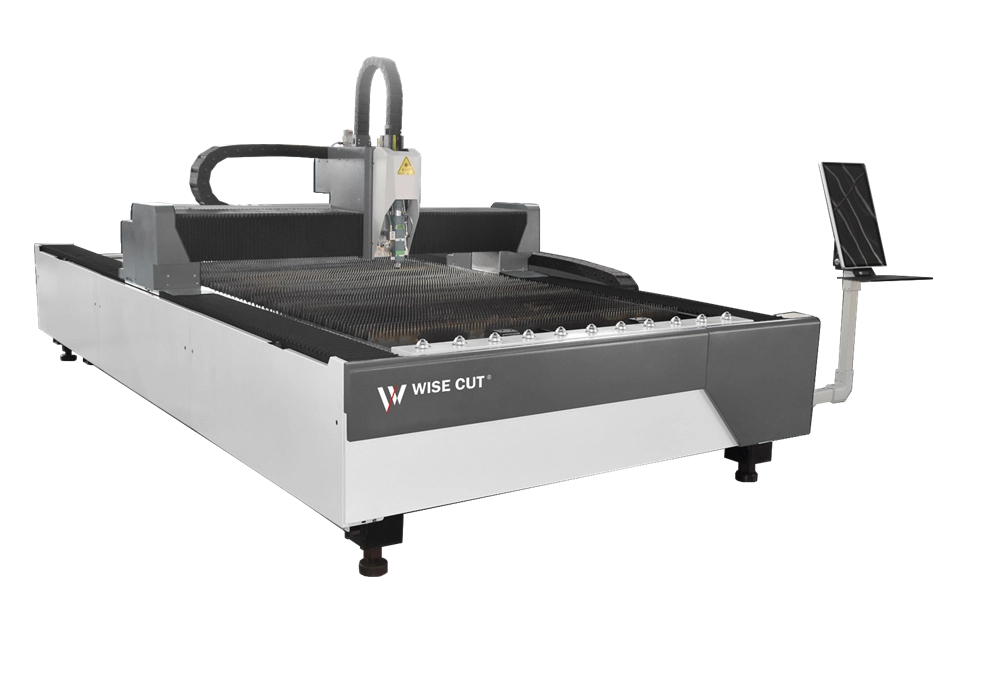
Macchina per il taglio laser di lamiere metalliche a piattaforma singola e a cielo aperto WT-1530 di WiseCut. È progettata per il taglio di precisione dei metalli con un unico piano di lavoro. Secondo le informazioni sul prodotto, è concepita come una macchina da taglio di piccolo formato economica per la lavorazione dell'acciaio, armadi rack, edilizia, componenti per illuminazione, insegne pubblicitarie, ricambi auto, parti di macchinari, attrezzature per esposizione e prodotti di ferramenta.
La pagina del prodotto WiseCut WT-1530 elenca un'area di lavorazione di 1550 × 3050 mm, una velocità di 100 m/min, uno spessore massimo di taglio di 30 mm e una potenza laser fino a 12000 W. Per gli acquirenti che cercano una macchina per il taglio laser di lamiere con capacità pratiche e un investimento gestibile, questo modello a tavolo singolo si adatta a molti scenari di produzione quotidiani.
Che cos'è una macchina per il taglio laser a fibra con tavola di scambio?
Una macchina per il taglio laser a fibra con tavola mobile è anche conosciuta come macchina per il taglio laser a fibra a doppia tavola o con tavola a navetta. Utilizza due tavole di lavoro che si muovono dentro e fuori dalla zona di taglio. Mentre una tavola viene tagliata, la seconda si trova all'esterno dell'area di taglio per il carico e lo scarico. Al termine del programma di taglio, le tavole si scambiano di posizione.
Questo sistema è progettato per la produzione continua. In molte officine, il laser termina il taglio più velocemente di quanto gli operatori riescano a rimuovere i pezzi e preparare il foglio successivo. Quando ciò accade, la macchina si ferma. Nella produzione ad alto volume, questo tempo di attesa diventa un costo reale. Una macchina da taglio laser a fibra con tavola di scambio riduce questo intervallo di tempo consentendo la movimentazione del materiale lontano dalla zona di taglio.
Macchina da taglio laser a fibra con tavolo intercambiabile aperto WT-4020 di WiseCut È progettata per il taglio di metalli ad alta efficienza. Le informazioni sul prodotto pubblicate indicano un'area di lavorazione di 4050 × 2050 mm, una potenza laser compresa tra 3 e 12 kW, una velocità di avanzamento di 100 m/min, uno spessore massimo di taglio di 30 mm e un tempo di cambio tavola di 15 secondi. La macchina utilizza una piattaforma di commutazione parallela, una struttura di azionamento bilaterale e un design a doppio piano di lavoro per un flusso di produzione stabile.
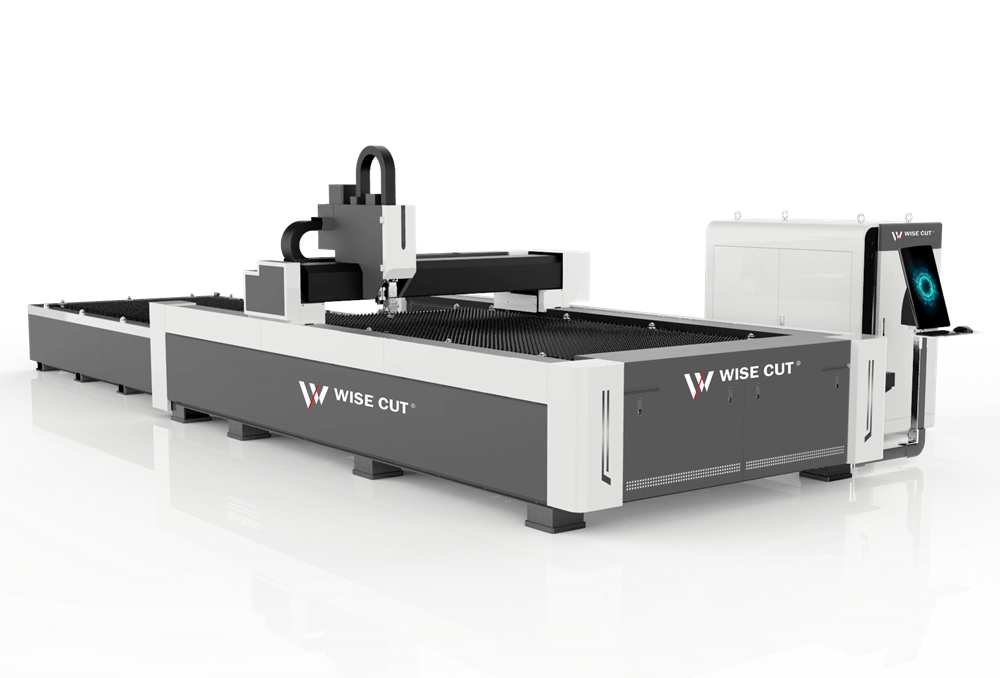
Tabella unica vs. tabella di scambio: differenze chiave per gli acquirenti
|
Fattore |
Macchina da taglio laser a fibra a tavolo singolo |
Scambio Tavola Fibra Laser Cutting Machine |
|
Flusso di lavoro |
Le operazioni di carico, taglio e scarico avvengono su un'unica piattaforma. |
Un tavolo taglia mentre l'altro tavolo viene preparato |
|
Tempo di inattività della macchina |
Più alto durante il cambio delle lenzuola |
Abbassare durante il cambio delle lenzuola |
|
superficie calpestabile |
Più compatto |
Richiede più spazio per l'installazione |
|
Costo iniziale |
Inferiore |
Più alto |
|
Efficienza del lavoro |
Dipende maggiormente dalla velocità dell'operatore |
Riduce i tempi di attesa tra le lenzuola |
|
Uso tipico |
Piccoli lotti, ordini misti, budget limitato |
Taglio in lotti, turni lunghi, lavorazione di grandi volumi di fogli |
|
Esempio di WiseCut |
Macchina a piattaforma singola di tipo aperto WT-1530 |
Macchina a tavola rotante aperta WT-4020 |
Questo confronto è importante perché la macchina migliore non è sempre quella più grande. Un'officina che taglia pezzi diversi ogni ora potrebbe non trarre grandi vantaggi da una struttura a doppio tavolo. Una fabbrica che taglia lamiere standard tutto il giorno potrebbe perdere valore produttivo ogni volta che la macchina si ferma per il carico e lo scarico manuale.
Quando una macchina a tavolo singolo è la soluzione migliore
Una macchina per il taglio laser a fibra a tavola singola è ideale quando il volume di produzione è moderato e le tipologie di ordini cambiano frequentemente. Un'officina tipica potrebbe tagliare pannelli sottili in acciaio inossidabile al mattino, staffe in acciaio al carbonio nel pomeriggio e componenti in alluminio per un lavoro personalizzato prima della chiusura. In un contesto lavorativo di questo tipo, flessibilità e semplicità d'uso sono più importanti della velocità di ciclo continua.
Questo tipo di macchina è ideale anche per stabilimenti con spazio di installazione limitato. Una macchina per il taglio laser a fibra a piattaforma singola può contribuire a sostituire l'esternalizzazione, il taglio al plasma o i vecchi metodi di taglio meccanico senza richiedere modifiche sostanziali al layout di produzione. Per molti acquirenti, rappresenta il primo passo concreto nel mondo del taglio laser a fibra.
Dal punto di vista del ritorno sull'investimento (ROI) di una macchina per il taglio laser a fibra, l'opzione a tavola singola può essere più sicura quando il volume giornaliero di fogli non è ancora stabile. Permette di tenere sotto controllo il budget, offrendo al contempo all'azienda la possibilità di effettuare il taglio internamente. Se in seguito il volume degli ordini aumenta, l'azienda può valutare l'installazione di una tavola di scambio o di un sistema di carico automatico in base ai dati di produzione reali.
Quando una macchina a tabella di scambio diventa la scelta migliore
Una macchina per il taglio laser a fibra con tavola di scambio diventa più adatta quando le operazioni di carico e scarico rallentano la produzione. Questo accade spesso negli stabilimenti che producono componenti per ascensori, attrezzature da cucina, quadri elettrici, macchine agricole, macchine edili, componenti automobilistici e componenti tagliati in outsourcing.
Il segnale è facilmente visibile in officina. Se la testa di taglio termina il suo lavoro e attende il foglio successivo più volte all'ora, è opportuno valutare la sostituzione del tavolo. Un laser a fibra con tavolo a navetta separa il taglio dalla movimentazione, contribuendo a mantenere la macchina in funzione per una parte maggiore del turno. Inoltre, favorisce un flusso di lavoro più pulito prima delle fasi di piegatura, saldatura, pulizia e assemblaggio.
Le fabbriche che pianificano un maggiore livello di automazione dovrebbero valutare le macchine con tavola rotante già nelle prime fasi del processo di acquisto. WiseCut offre soluzioni in grado di integrare automazione ad alta intensità, taglio obliquo, sistemi di carico e scarico completamente automatici e sistemi di carico e scarico semiautomatici. Per layout adeguati, queste opzioni riducono le operazioni manuali ripetitive e rendono la produzione di lamiere più stabile durante i lunghi orari di lavoro.
Costo e ROI: come valutare l'investimento più vantaggioso
La differenza di prezzo tra una macchina da taglio laser a fibra con tavola singola e una con tavola a scambio va valutata in base al tempo di taglio recuperato. Un calcolo pratico consiste nel moltiplicare il numero di fogli lavorati al giorno per il tempo di carico e scarico risparmiato su ciascun foglio. Se il risultato è di pochi minuti, una macchina con tavola singola potrebbe comunque rappresentare la scelta economicamente più vantaggiosa. Se invece il risparmio raggiunge una o due ore al giorno, il sistema a tavola a scambio merita seria considerazione.
Anche altri fattori sono importanti. Le lamiere pesanti richiedono più tempo per essere movimentate. Le lamiere di grandi dimensioni necessitano di una manipolazione più attenta. Gli ordini urgenti rendono i tempi di inattività più costosi. Il costo della manodopera, la durata del turno, il valore orario della macchina e la capacità del processo a valle dovrebbero essere tutti elementi da considerare nella decisione di acquisto.
BEIJING WISECUT LTD supporta entrambe le tipologie di esigenze produttive. L'azienda dispone di uno stabilimento di 20.000 metri quadrati a Tianjin, una divisione commerciale internazionale a Pechino e capacità di personalizzazione della produzione per diverse applicazioni industriali. Le macchine WiseCut hanno ottenuto le certificazioni CE, SGS e ISO9001 e l'azienda ha esportato attrezzature in oltre 100 paesi e regioni. Per gli acquirenti B2B di attrezzature, questi dettagli sono importanti perché la stabilità operativa dipende da molto più del semplice corpo macchina. Installazione, formazione, pezzi di ricambio e assistenza post-vendita influiscono sul tempo di attività effettivo.
Conclusione
La scelta tra una macchina per il taglio laser a fibra con tavola singola e una con tavola intercambiabile dovrebbe basarsi sulle reali condizioni di produzione. Una macchina con tavola singola è adatta a ordini flessibili, volumi di fogli medio-bassi, spazi limitati e investimenti controllati. Una macchina con tavola intercambiabile è più indicata per le aziende che necessitano di taglio continuo, tempi di cambio foglio ridotti e una maggiore capacità produttiva a lungo termine.
BEIJING WISECUT LTD Offriamo macchine per il taglio laser a fibra a piattaforma singola, macchine per il taglio laser a fibra con tavola di scambio e soluzioni automatizzate per la lavorazione dei metalli, adatte alle diverse esigenze di fabbrica. Prima di confermare un modello, gli acquirenti dovrebbero valutare le dimensioni della lamiera, il tipo di materiale, lo spessore di taglio, le ore di lavoro giornaliere, la disposizione dell'officina, l'organizzazione del personale e la crescita prevista degli ordini. Una macchina scelta attraverso questo processo ha maggiori probabilità di fornire una produzione stabile dopo l'installazione.
FAQ
D1: Come faccio a sapere se mi conviene acquistare una macchina per il taglio laser a fibra con tavolo singolo o con tavolo intercambiabile?
A: Una macchina da taglio laser a fibra a tavola singola è generalmente più adatta quando la fabbrica gestisce piccoli lotti, frequenti cambi di lavoro e un volume giornaliero limitato di fogli. Una macchina da taglio laser a fibra con tavola intercambiabile è più indicata quando le operazioni di carico e scarico creano tempi di inattività visibili durante la normale produzione.
D2: Vale la pena spendere di più per una macchina da taglio laser a fibra con tavola di scambio?
A: Una macchina da taglio laser a fibra con tavolo intercambiabile giustifica il prezzo più elevato quando il risparmio di tempo nella movimentazione si traduce in un maggior numero di ore di taglio, consegne più rapide e una maggiore efficienza della manodopera. Se la macchina taglia solo pochi fogli al giorno, un modello a tavolo singolo potrebbe offrire un ritorno sull'investimento migliore.
Q3: Una macchina laser a fibra con tavola rotante taglia più velocemente di una macchina a tavola singola?
A: Un laser a fibra con tavola rotante non sempre taglia più velocemente all'ugello. La velocità di taglio dipende dalla potenza del laser, dal materiale, dallo spessore, dal gas di taglio e dai parametri di processo. Il suo principale vantaggio è la riduzione dei tempi di inattività tra i fogli, grazie alla possibilità di caricare e scaricare il materiale al di fuori della zona di taglio.
Q4: Qual è la migliore macchina per il taglio laser a fibra per una piccola officina metallurgica?
A: Per una piccola officina metallurgica, una macchina da taglio laser a fibra a piattaforma singola è spesso la scelta più pratica. Richiede meno spazio, ha un investimento iniziale inferiore ed è adatta per pezzi personalizzati, materiali misti e volumi di produzione medi.
Q5: Quando una fabbrica dovrebbe prendere in considerazione una macchina per il taglio laser a fibra con caricamento automatico?
A: Una fabbrica dovrebbe prendere in considerazione il carico automatico quando la movimentazione manuale dei fogli diventa un collo di bottiglia, il volume degli ordini si stabilizza e gli operatori impiegano troppo tempo a movimentare il materiale invece di gestire la produzione. In tale situazione, una macchina con tavola di scambio o una soluzione automatizzata di carico e scarico può supportare una maggiore produttività e un flusso di lavoro più costante.


