

Di quale lunghezza di pressa piegatrice hai bisogno? Una guida pratica al tonnellaggio delle presse piegatrici.
Data: 21 agosto 2026 Visualizzazione : 578
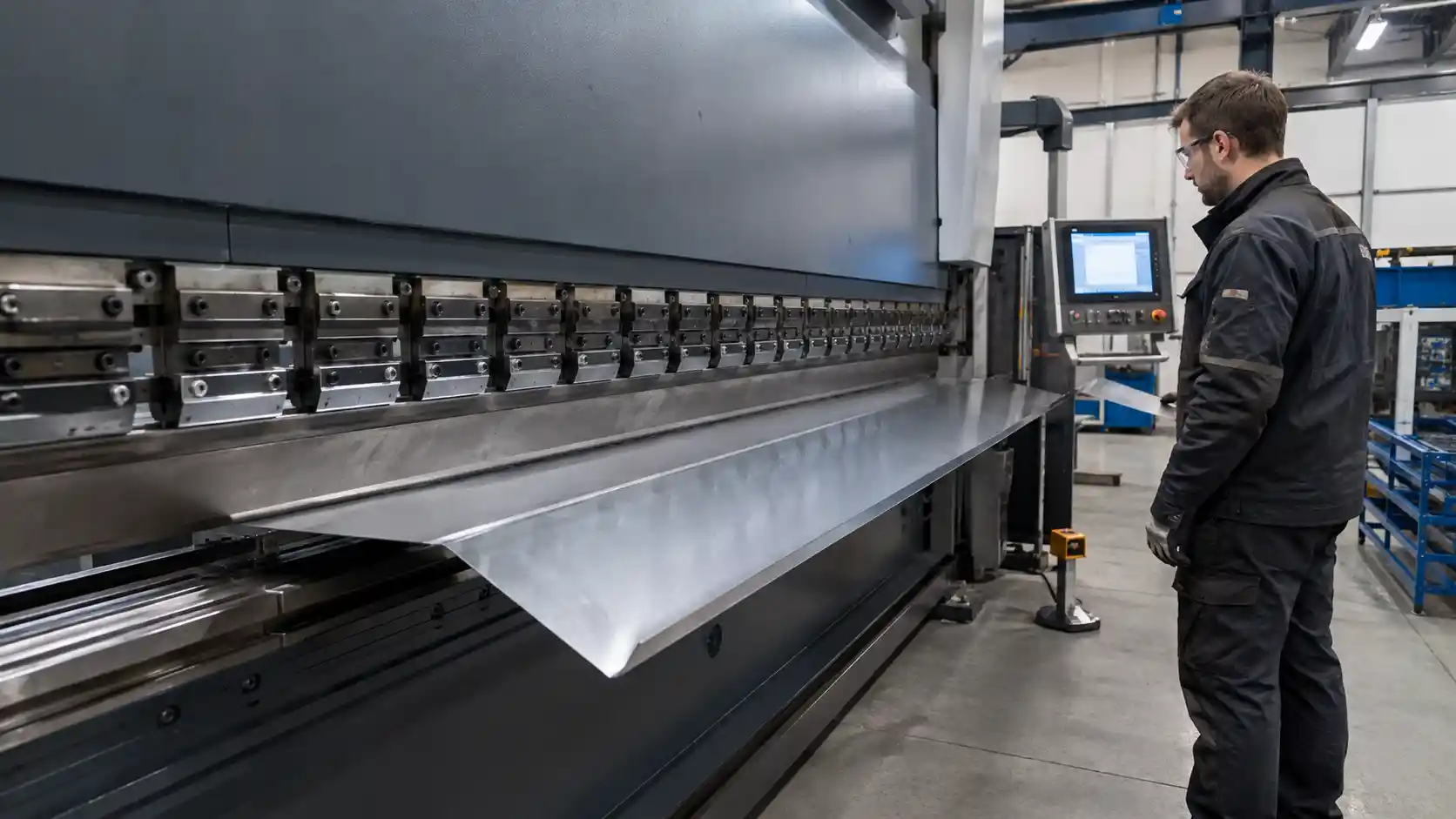
La scelta di una pressa piegatrice inizia con due numeri: la lunghezza di lavoro e la forza nominale. Un piano di lavoro lungo non può risolvere una carenza di tonnellaggio e una forza nominale molto elevata non aiuta se i pezzi non entrano tra i telai. Per un acquirente B2B, la specifica utile è la combinazione che gestisce la piega più lunga, il mix di materiali, gli utensili e il programma di produzione con spazio per una crescita controllata. Inizia con il fornitore presse piegatrici e piegatrici a controllo numerico intervallo da considerare nella creazione di una lista ristretta.
Che cosa significa tonnellaggio della pressa piegatrice?
La forza di piegatura di una pressa piegatrice è la forza di formatura disponibile sulla macchina. I fornitori solitamente la esprimono in tonnellate per l'intera macchina, mentre le tabelle spesso mostrano tonnellate per piede o tonnellate per metro di piegatura. Questa distinzione è importante quando un pezzo utilizza solo una parte del piano di lavoro o applica forza in una sezione breve.
La forza è solo una parte della capacità
La valutazione descrive la forza disponibile. Lunghezza di lavoro, profondità della gola, luce di lavoro, corsa, interasse dei telai e utensili definiscono altri limiti pratici. Richiedete il carico distribuito massimo e il carico concentrato consentito. Un preventivo che indica solo 200 tonnellate necessita di maggiori dettagli tecnici.
Perché lunghezza e tonnellaggio vanno letti insieme
La piega più lunga determina la lunghezza minima di lavoro. Lo spessore del materiale, la resistenza alla trazione, l'angolo di piega, il raggio interno, l'apertura della matrice a V e il metodo di piegatura determinano la forza. Una macchina dimensionata in base a uno solo di questi parametri può sembrare adatta sulla carta, ma non soddisfare comunque i requisiti di produzione.
Come si calcola il tonnellaggio di una pressa piegatrice?
Iniziate consultando la tabella dei tonnellaggi del fornitore per il materiale e il metodo di piegatura. Una stima comune per la piegatura ad aria utilizza tonnellate per piede moltiplicate per la lunghezza di piegatura in piedi. Le tabelle metriche utilizzano la stessa logica, ma con tonnellate per metro. Il valore riportato nella tabella è una stima per un materiale, uno spessore, un'apertura della matrice e un raggio definiti, quindi utilizzate la tabella esatta per la macchina che intendete utilizzare.
Un semplice esempio di tonnellaggio
Supponiamo che un pannello di acciaio dolce necessiti di una piegatura di 8 piedi e che la matrice a V e lo spessore selezionati richiedano una forza di 15,3 tonnellate per piede. La forza stimata è 15,3 x 8 = 122,4 tonnellate. Un acquirente può confrontare una macchina con una capacità di carico utile inferiore dopo aver consultato la tabella di carico del fornitore, gli utensili e il ciclo di lavoro. L'esempio mostra un metodo di calcolo; la tabella del fornitore definisce il valore applicabile.
Perché il materiale e il metodo di piegatura cambiano il risultato
L'acciaio inossidabile generalmente richiede una forza maggiore rispetto all'acciaio dolce a parità di spessore. L'alluminio può richiedere una forza inferiore, mentre i requisiti di superficie e raggio possono influenzare la scelta degli utensili. Anche la piegatura ad aria, la svasatura e la coniatura comportano diverse esigenze di forza. Richiedete un calcolo separato per ogni famiglia di materiali nel mix di produzione; ogni lavorazione utilizzerà quindi un valore di forza appropriato.
Quanto deve essere lunga la tua pressa piegatrice?
La lunghezza corretta della pressa piegatrice offre all'operatore spazio utilizzabile sufficiente per la piegatura di produzione più lunga, per l'impostazione degli utensili e per la movimentazione sicura dei pezzi. Misurare la flangia reale e la linea di piegatura, nonché le dimensioni della lamiera. Una lamiera di 3 metri può richiedere diverse piegature più corte, mentre una lamiera più piccola può necessitare di una sola piegatura a tutta lunghezza.
Abbina la lunghezza alla parte più lunga della tua testa
Indicare la curva più lunga nei disegni attuali e la curva più lunga prevista nei prossimi 12-24 mesi di lavoro pianificato. Aggiungere un margine per lo spazio laterale, i segmenti di attrezzatura e l'accesso dell'operatore. Se la maggior parte dei pezzi è corta, un piano di attrezzatura segmentato può rendere produttivo un piano di lavoro più corto. Se i pannelli lunghi sono comuni, i frequenti riposizionamenti possono aumentare la manodopera e la variabilità.
Verifica il tonnellaggio per metro e il carico del letto
Verificare come la forza viene distribuita lungo il piano di lavoro. Una macchina può sopportare il suo tonnellaggio nominale su una lunghezza specificata, ma ha un limite inferiore per una curvatura breve e concentrata. Controllare la lunghezza minima di curvatura per lo stampo selezionato, il carico ammissibile per metro e le limitazioni relative al centro di carico. Questi dettagli proteggono il telaio, gli utensili e la ripetibilità.
Quali altre specifiche della pressa piegatrice sono importanti?
Tonnellaggio e lunghezza restringono il campo; le seguenti specifiche determinano se la macchina è adatta alla vostra officina e al vostro flusso di lavoro.
|
Specifiche |
Controllo dell'acquirente |
|
Profondità della gola |
La flangia di ritorno più grande non interferisce con il telaio? |
|
Luce diurna e ictus |
L'utensile può aprirsi a sufficienza per alloggiare il pezzo e lo stampo? |
|
Assi di registro posteriore |
Gli assi sono compatibili con la sequenza di piegatura e l'obiettivo di ripetibilità richiesti? |
|
Utensili |
Le aperture della matrice, i punzoni, i segmenti e i dispositivi di serraggio sono compatibili? |
|
Sistema di controllo |
Gli operatori possono memorizzare programmi, correzioni e dati relativi ai lavori? |
|
Sicurezza e servizi |
Sono documentati i requisiti relativi a protezioni, arresti di emergenza, alimentazione elettrica e fondazioni? |
Richiedete una prova di piegatura utilizzando il vostro materiale e allegate un disegno al preventivo. Il risultato dovrebbe mostrare la ripetibilità dell'angolo, le condizioni della superficie, le dimensioni della flangia e il set di utensili selezionato. pressa piegatrice idraulica a controllo numerico Questa pagina può aiutarti a confrontare il sistema di forza e i dettagli di configurazione.
Come dovrebbero confrontare gli acquirenti B2B i fornitori di presse piegatrici?
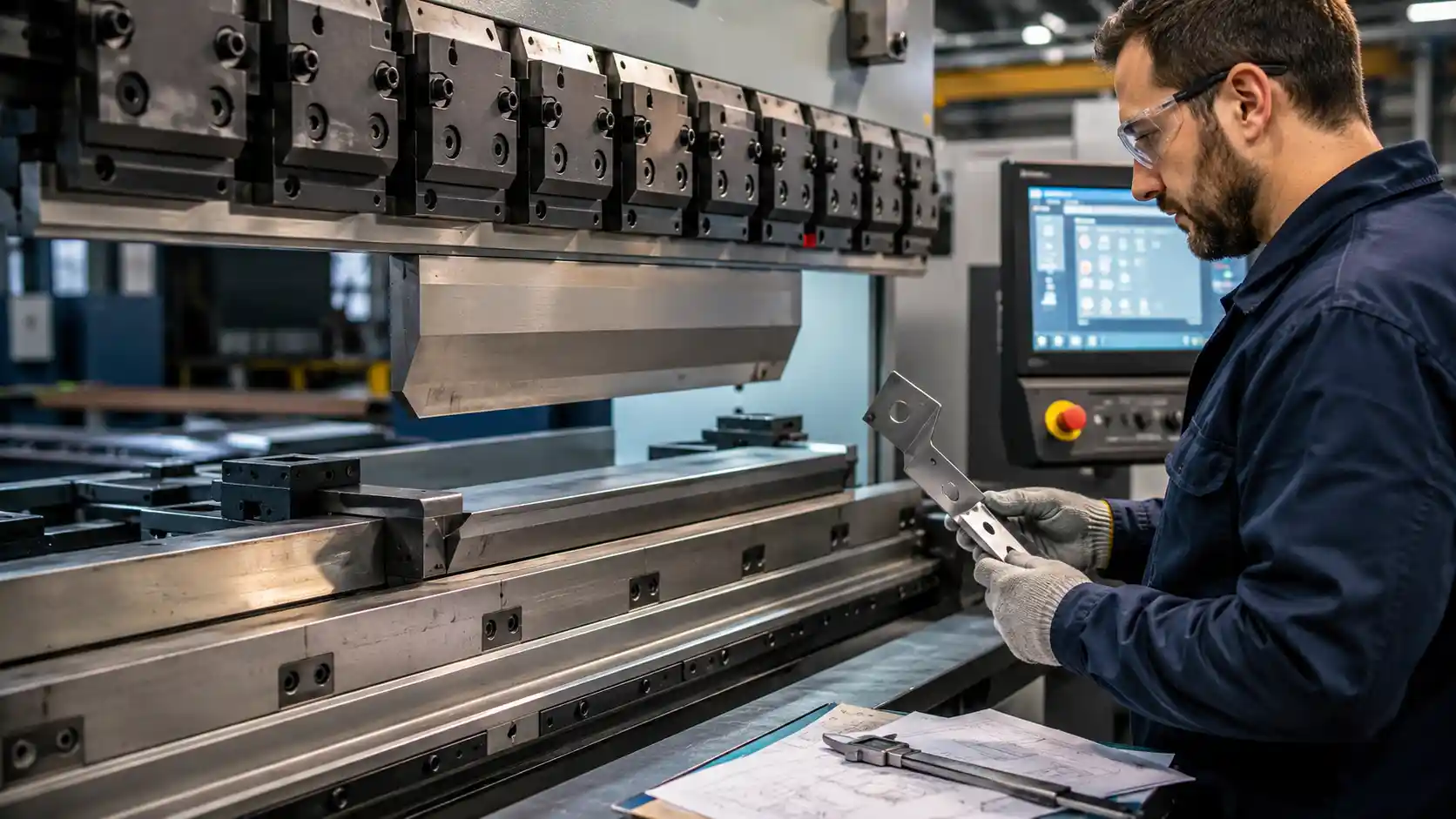
Il fornitore deve spiegare il calcolo, documentare le ipotesi e fornire supporto per l'accettazione dopo l'installazione. Utilizzare i seguenti controlli durante una richiesta di offerta:
- Richiedi un foglio di calcolo del tonnellaggio per ogni materiale, spessore, lunghezza di piegatura e metodo.
- Confermare per iscritto la lunghezza di lavoro, la profondità della gola, la luce di lavoro, la corsa e i limiti di carico.
- Informatevi su quali strumenti sono inclusi e quali sono opzionali.
- Definire i test di accettazione per angolo, ripetibilità, funzioni di sicurezza e funzionamento del controllo.
- Confermare la formazione degli operatori, i manuali, la diagnostica remota, i pezzi di ricambio e i tempi di risposta.
La knowledge base di WiseCut descrive uno stabilimento di Tianjin che integra produzione, ricerca e sviluppo e assistenza post-vendita, comprese le presse piegatrici. Descrive anche lavorazioni meccaniche personalizzate con sistemi di azionamento e principi idraulici su misura per compiti specializzati. Queste capacità sono importanti quando una lunghezza o una forza nominale standard non corrispondono al mix di pezzi. Confronta il Centro di piegatura CNC quando l'automazione o un lavoro ripetibile in più fasi fanno parte del piano.
Informazioni su WiseCut
WiseCutBEIJING WISECUT LTD organizza il suo servizio attorno a un principio di 4 elementi fondamentali: installazione, funzionamento, assistenza e manutenzione. Il suo stabilimento di Tianjin integra produzione, ricerca e sviluppo e assistenza post-vendita in tre edifici, mentre una struttura a Jinan, inaugurata nel 2023, supporta l'assistenza globale. L'azienda dichiara che le sue macchine a marchio proprio sono certificate CE e fornisce supporto in lingua inglese, formazione gratuita per gli operatori, diagnostica remota 24 ore su 24, 7 giorni su 7, fornitura di pezzi di ricambio e supporto tecnico in loco entro 48 ore in tutto il mondo. Le visite annuali dei tecnici sono disponibili su richiesta. La sua knowledge base riporta oltre 1.000 macchine operative in oltre 20 paesi e oltre 200 modelli di macchine. Condividi il tuo materiale, spessore, curva più lunga, utensili e ore di produzione attraverso il Pagina di contatto WiseCut per richiedere un calcolo e una raccomandazione.
Domande frequenti
D1: Come si calcola il tonnellaggio di una pressa piegatrice?
A: Utilizzare la tabella del fornitore per materiale, spessore, apertura della matrice a V, raggio e metodo di piegatura, quindi moltiplicare le tonnellate per piede o metro indicate per la lunghezza della piega.
D2: Una pressa piegatrice più lunga necessita di una maggiore forza di tonnellaggio?
A: La forza necessaria dipende dal materiale e dalle condizioni di piegatura. Una piegatura più lunga spesso richiede una forza totale maggiore, ma la tabella e i limiti di distribuzione del carico determinano la portata effettiva.
D3: Di quanto tonnellaggio c'è bisogno per l'acciaio inossidabile?
A: Utilizzare una tabella per acciaio inossidabile per conoscere con precisione lo spessore, l'apertura della matrice, il raggio e il metodo di lavorazione. Non riutilizzare i valori relativi all'acciaio dolce senza aver prima effettuato un calcolo con il fornitore.
D4: Qual è la lunghezza della pressa piegatrice più adatta per una lamiera di 3 metri?
A: Misurare la linea di piegatura più lunga e includere lo spazio di installazione, i segmenti dell'utensile e lo spazio di movimentazione. Un grezzo di 3 metri non richiede sempre una lunghezza di piegatura di 3 metri.
D5: È opportuno acquistare ulteriore tonnellaggio per la produzione futura?
A: Basare l'aggiornamento su previsioni documentate, modifiche dei materiali e ciclo di lavoro. Un margine di capacità moderato è utile quando il telaio, gli utensili e i limiti di carico lo consentono.


