

Всё, что нужно знать о безопасности лазерной сварки в современном производстве.
Время: 15 мая 2026 г. Просмотр : 1 080
Лазерные технологии кардинально изменили современные производственные процессы. Ручные лазерные сварочные аппараты стали широко распространенным решением в современных мастерских, обеспечивая более высокую точность, более быструю работу и более чистые сварочные швы по сравнению с традиционными методами. Однако это повышение эффективности также влечет за собой новые вопросы безопасности, требующие надлежащего контроля, особенно при работе с современным оборудованием, предназначенным для высокопроизводительного промышленного использования.
От лазерного излучения до опасностей, связанных с перегревом, каждый этап работы требует бдительности. Выбирая подходящее снаряжение и придерживаясь правильных привычек, вы можете снизить риски и поддерживать производительность.
Прежде чем подробно рассматривать вопросы безопасности, полезно понять, какой производитель гарантирует качество используемого вами снаряжения.
Почему выбор правильного производителя важен для безопасности
При покупке ручная лазерная сварка машинаВы приобретаете не просто устройство. Вы выбираете конфигурацию, которая напрямую влияет на ваших сотрудников, стандарты производительности и текущие расходы. Один из производителей, заслуживающих внимания, — это... ВисекутЭта фирма заслужила свою репутацию благодаря сочетанию передовых лазерных технологий с продуманным дизайном, ориентированным на промышленное производство. Их подход особенно ярко проявляется в предлагаемом ими варианте ручного лазерного сварочного аппарата. В этом случае простота использования и безопасность являются главными приоритетами.
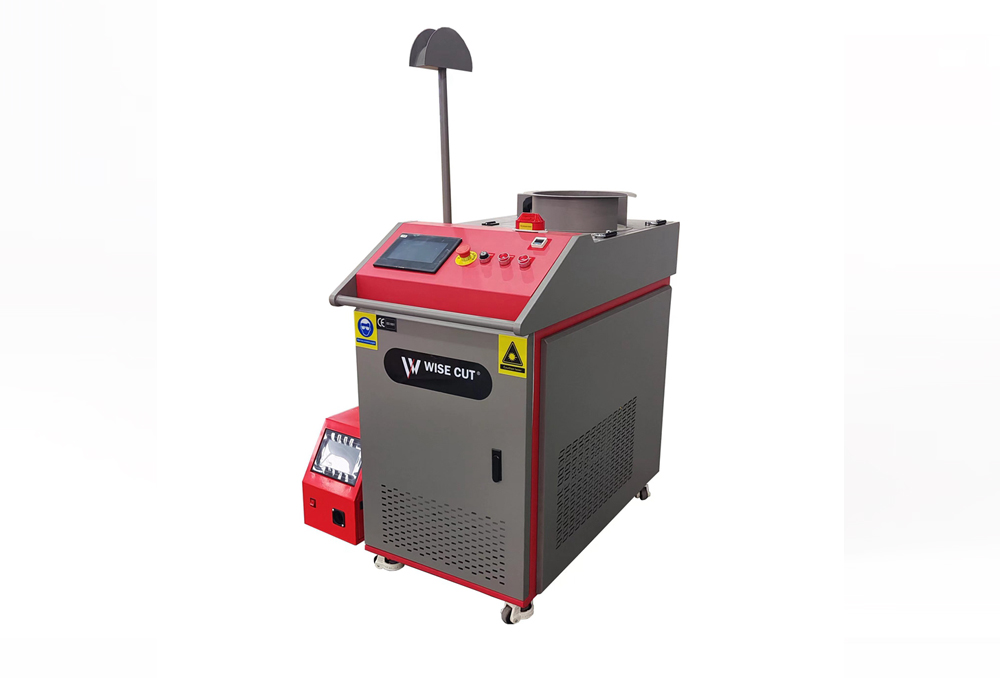
Эти машины отличаются тем, что в их конструкцию встроены защитные элементы. К таким элементам относятся, например, самозащищающиеся лазерные источникиАккуратная внутренняя проводка и продуманная система предупреждений снижают вероятность внезапных поломок. Кроме того, их устройства поддерживают различные языки и имеют простое управление. Такие характеристики помогают работникам избегать ошибок при работе с инструментом. Вместо того чтобы полагаться исключительно на дополнительные меры безопасности, само оборудование является ключевым элементом вашей системы защиты. Именно поэтому многие производители отдают предпочтение вариантам, которые изначально оснащены такими встроенными средствами защиты.
С учетом вышеизложенного, вы можете теперь рассмотреть основные угрозы безопасности и их влияние на выполнение повседневных задач.

Основные риски для безопасности при лазерной сварке
Для повышения безопасности необходимо сначала определить источники опасностей. Эти опасности не всегда проявляются явно. Это особенно актуально при работе с ручным лазерным сварочным аппаратом.
Лазерное излучение и облучение глаз
Лазерные лучи обладают очень высоким уровнем энергии. Даже отраженные от металла лучи могут повредить зрение. В отличие от классической сварки, угроза не всегда очевидна. В результате, обнаружить ее быстро оказывается сложнее.
Всегда используйте соответствующие защитные очки. Кроме того, убедитесь, что ваше рабочее место ограничивает дополнительное воздействие. Устройства с регулируемым уровнем излучения помогают сократить количество непреднамеренных запусков. Это остается серьезной проблемой при работе в портативном режиме.
Термические опасности и реакции материалов
Лазерная сварка генерирует сильный нагрев в крошечной точке. Без надлежащего контроля это приводит к ожогам, искрам и деформации. Неправильная настройка усугубляет эти проблемы. Она также может повредить обрабатываемый материал.
Чтобы избежать подобных проблем, поддерживайте стабильные параметры. Кроме того, выбирайте оборудование, обеспечивающее надежное электропитание. Надежный ручной лазерный сварочный аппарат позволит вам лучше справляться с высокими температурами во время работы.
Выбросы и проблемы качества воздуха
При сварке из материалов выделяются пары, которые часто содержат опасные частицы. При недостаточной вентиляции пары наносят вред здоровью и окружающей среде.
Убедитесь, что в вашем районе имеются надежные системы удаления токсичных веществ. Кроме того, процессы, которые создают меньше грязи, помогают ограничить выбросы токсичных веществ.
Выявив эти угрозы, вы можете перейти к решению повседневных проблем, с которыми сталкиваетесь.
Типичные проблемы эксплуатации ручного лазерного сварочного аппарата
В реальных условиях заводского производства проблемы с безопасностью часто возникают из-за незначительных ошибок при обращении с оборудованием, а не из-за крупных поломок. Со временем эти мелкие ошибки накапливаются и в конечном итоге превращаются в серьезные угрозы.
Случайное срабатывание и усталость оператора
Переносные инструменты обеспечивают свободу передвижения. Однако они повышают риск незапланированных стартов. Длительные смены приводят к усталости. Это замедляет реакцию и снижает точность.
Современные конструкции шестерен позволяют избежать этой проблемы. Например, более совершенные механизмы переключения А защитные кожухи снижают вероятность случайного срабатывания. Таким образом, продуманная конструкция ручного лазерного сварочного аппарата обеспечивает устойчивость при работе даже в течение длительных сеансов.
Нестабильность оборудования и колебания напряжения
Перепады мощности или чрезмерный нагрев могут остановить ваш процесс. Они также создают опасные ситуации. Резкие остановки или неравномерные результаты негативно сказываются как на безопасности, так и на качестве работы.
В современных системах предусмотрены быстродействующие защитные механизмы. Они постоянно отслеживают мощность, температуру и силу тока. В случае возникновения неполадок устройство быстро реагирует, чтобы предотвратить дальнейший ущерб.
Техническое обслуживание и скрытые неисправности
Загрязнение линз, ненадежные соединения и проблемы с подачей газа встречаются часто. Однако люди часто упускают их из виду. Такие недочеты снижают производительность и усиливают опасения по поводу безопасности.
Устройства, разработанные для простого обслуживания, меняют всё. Когда детали легкодоступны и чётко расположены, плановые проверки становятся простыми. Это снижает вероятность возникновения скрытых проблем, которые могут помешать вашей работе.
Преодолев эти препятствия, становится ясно, насколько надежные функции могут повысить вашу безопасность.
Функции безопасности, повышающие эффективность повседневной работы.
Надежный ручной лазерный сварочный аппарат должен быть оснащен встроенными средствами безопасности. Они должны облегчать выполнение задач, не создавая дополнительных неудобств.
Вы получаете преимущества от таких элементов, как быстродействующие выключатели, системы заземления и защитные кожухи от утечек. Эти детали гарантируют работу устройства только в безопасных режимах. Кроме того, системы постоянного мониторинга позволяют быстро выявлять проблемы. Предупреждения о перегреве, датчики силы тока и проверки питания способствуют созданию более безопасного пространства.
Удобная форма также имеет значение. Легкая сварочная головка снижает нагрузку и обеспечивает надежный захват. Когда устройство удобно сидит в руке, количество ошибок уменьшается.
Наличие этих элементов под рукой позволит вам сосредоточиться на совершенствовании вашего обычного рабочего процесса.
Рекомендации по безопасной лазерной сварке
Безопасность зависит не только от оборудования. Ваши привычки и ежедневные действия имеют не меньшее значение.
Начните с тщательного осмотра оборудования. Проверьте линзы, провода и газопроводы. Убедитесь, что подача электроэнергии стабильна и соединение правильное. Эти простые действия предотвращают многие распространенные проблемы.
Во время работы соблюдайте правильное расстояние и цель. Используйте подходящие защитные газы, такие как аргон или азот. Избегайте резких движений, которые могут изменить линию сварки.
После завершения работы протрите детали прицела насухо. Также проверьте все предупреждающие надписи на устройстве. Тщательный уход обеспечит надежную работу вашего ручного лазерного сварочного аппарата в течение длительного времени.
Сочетание отработанных тренировочных процедур с надежным снаряжением обеспечивает как защиту, так и бесперебойную работу.
Как передовые технологии повышают безопасность и эффективность
Современные лазерные указатели призваны облегчить вашу работу, одновременно повышая точность фокусировки. Встроенные вспомогательные функции и даже мощность снижают необходимость частой ручной корректировки. Таким образом, количество ошибок, допускаемых людьми, уменьшается.
Экономия электроэнергии также способствует безопасности. Снижение температуры уменьшает вероятность ожогов и повреждения материалов. Более экологичные методы обеспечивают меньшее количество выделяемых паров. Это улучшает качество воздуха в вашем помещении.
По мере того, как технологии становятся неотъемлемой частью вашей повседневной работы, безопасность перестает быть дополнительной нагрузкой.
Вывод
Лазерная сварка является важнейшим элементом современных заводов. ручная лазерная сварка машина Это способствует дальнейшему развитию данного направления. Понимая опасности, совершенствуя свои привычки и выбирая снаряжение с плетеной защитой, вы создаете охраняемый и продуктивный объект.
Грамотно спроектированный ручной лазерный сварочный аппарат помогает сохранять равновесие, предотвращать ошибки и защищать персонал на всех этапах производства. Благодаря надежной поддержке и системе оповещения вы обеспечиваете долговременные результаты и безопасность на вашем предприятии.
Часто задаваемые вопросы
В1. Что следует проверить перед запуском ручного лазерного сварочного аппарата?
A1. В первую очередь следует осмотреть защитную линзу, убедиться в стабильности подачи газа и проверить, находится ли напряжение питания в безопасном диапазоне. Также важно убедиться в правильности подключения заземляющего зажима, поскольку без него машина не будет работать безопасно.
Вопрос 2. Почему ручной лазерный сварочный аппарат внезапно останавливается во время работы?
A2. Во многих случаях машина останавливается из-за встроенных защитных механизмов. Это может быть вызвано аномальным напряжением, перегревом или нестабильным давлением воздуха. Эти автоматические реакции предназначены для предотвращения повреждений как оборудования, так и оператора.
В3. Как снизить риск повреждения линз во время сварки?
A3. Ключевыми шагами являются правильная фокусировка и чистота объектива. Если на объективе скопилась пыль или пятна, его следует своевременно заменить. Неправильная фокусировка или загрязнение часто приводят к повторным повреждениям объектива и нестабильным результатам сварки.
Вопрос 4. Что вызывает нестабильное качество сварки при ежедневном использовании?
A4. К распространенным причинам относятся нестабильное напряжение, неправильное давление газа или некорректные настройки параметров. Например, если защитный газ недостаточно чистый или давление слишком низкое, это повлияет на качество и стабильность сварного шва.
В5. Как определить оптимальное положение фокусировки при сварке?
A5. Вы можете проверить фокусировку, наблюдая за самой сильной точкой искры на металлической поверхности. Положение, где энергия наиболее сконцентрирована, обычно обеспечивает наилучший результат сварки. В зависимости от материала и метода сварки может потребоваться точная настройка.


