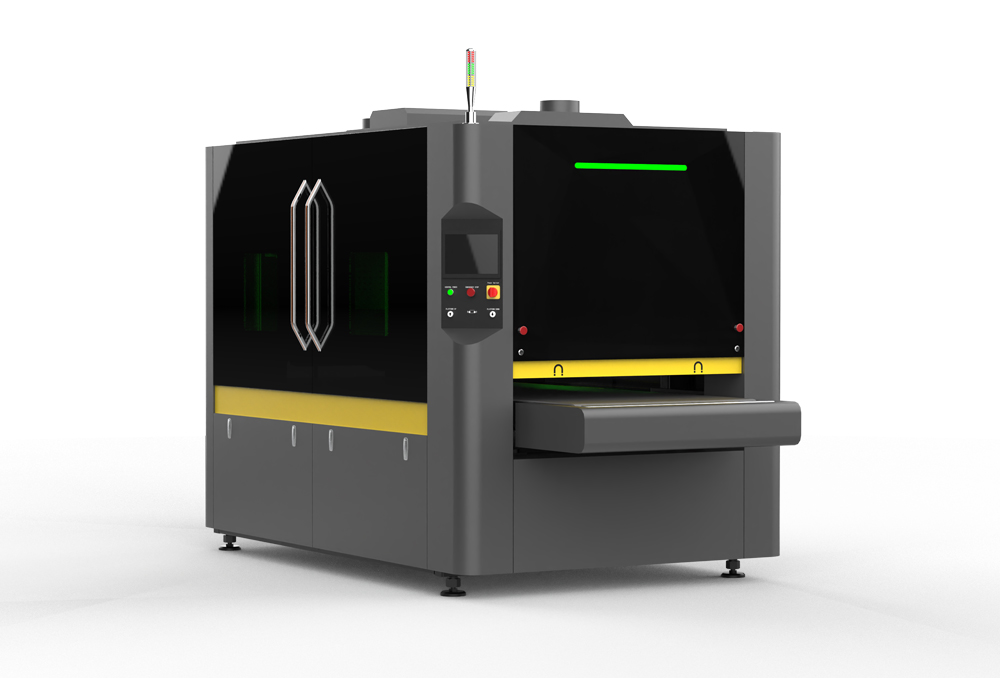
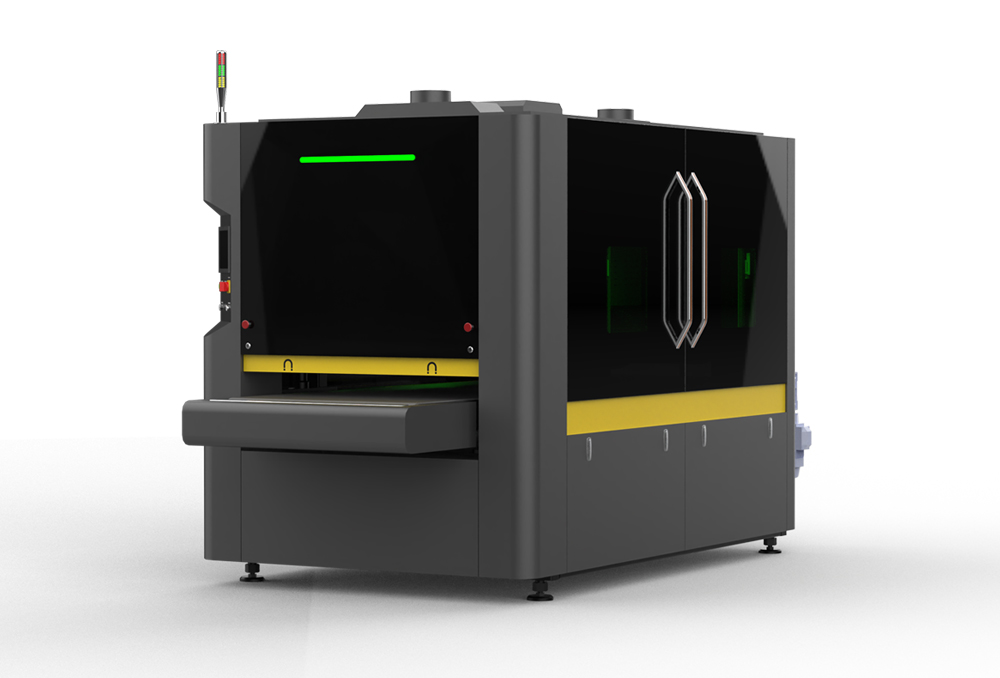
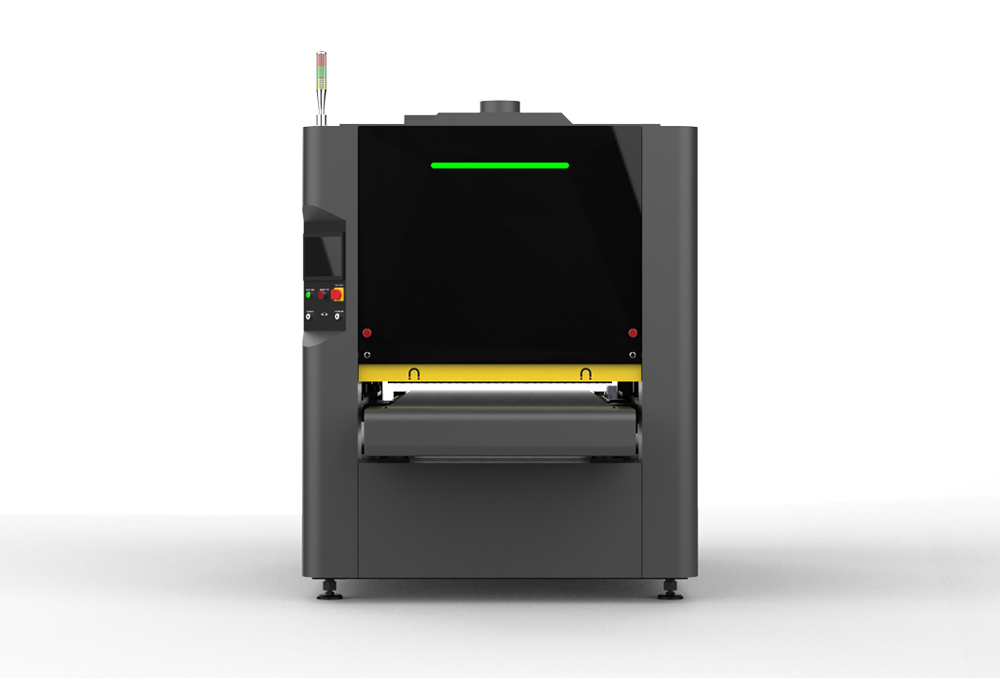
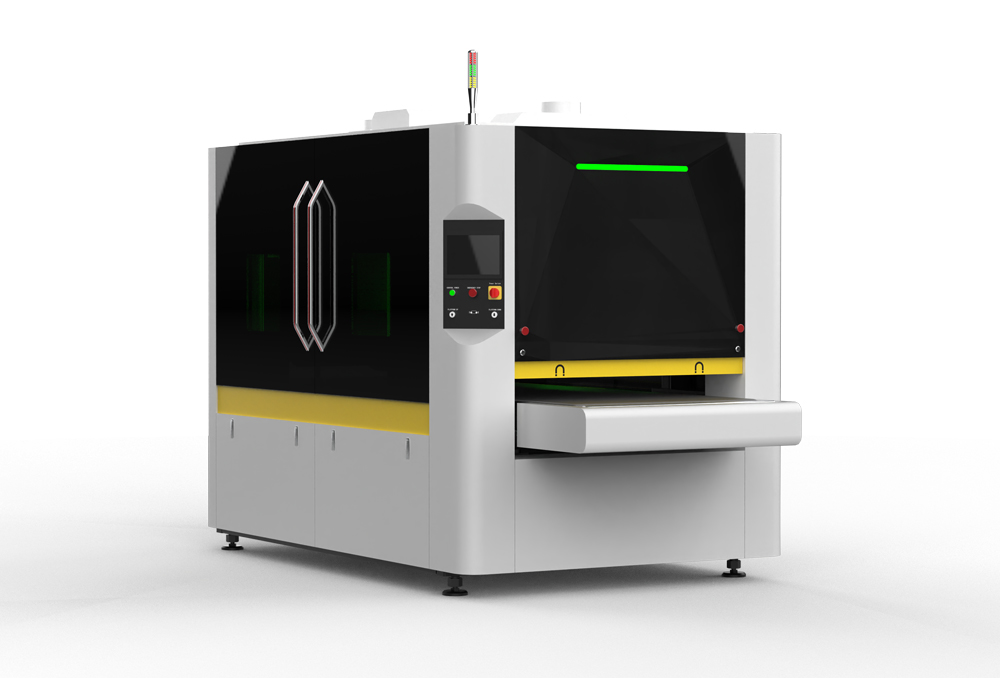
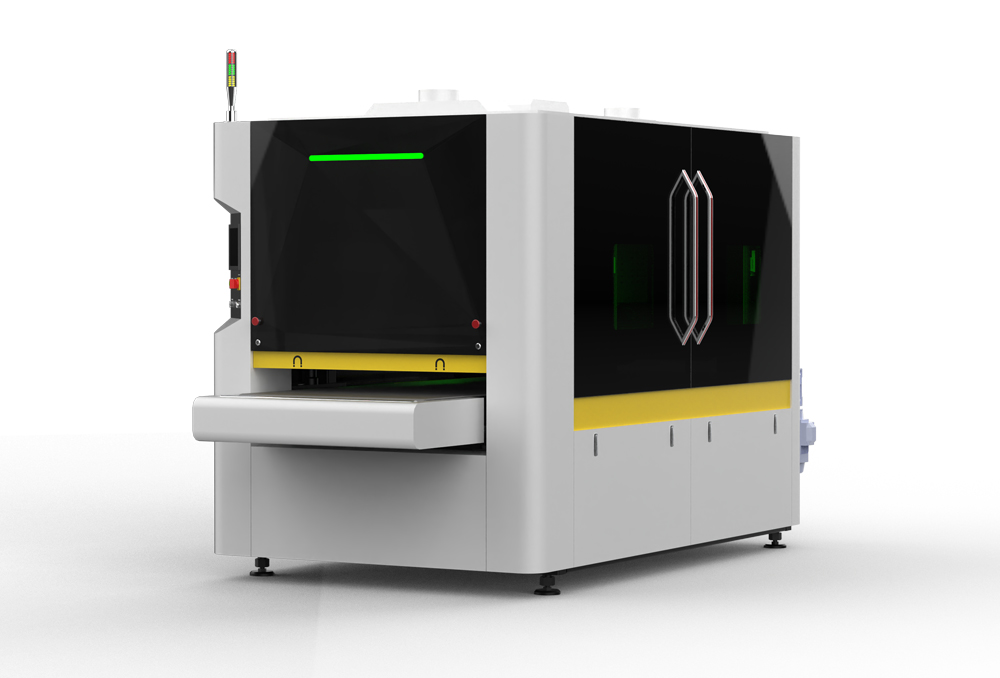
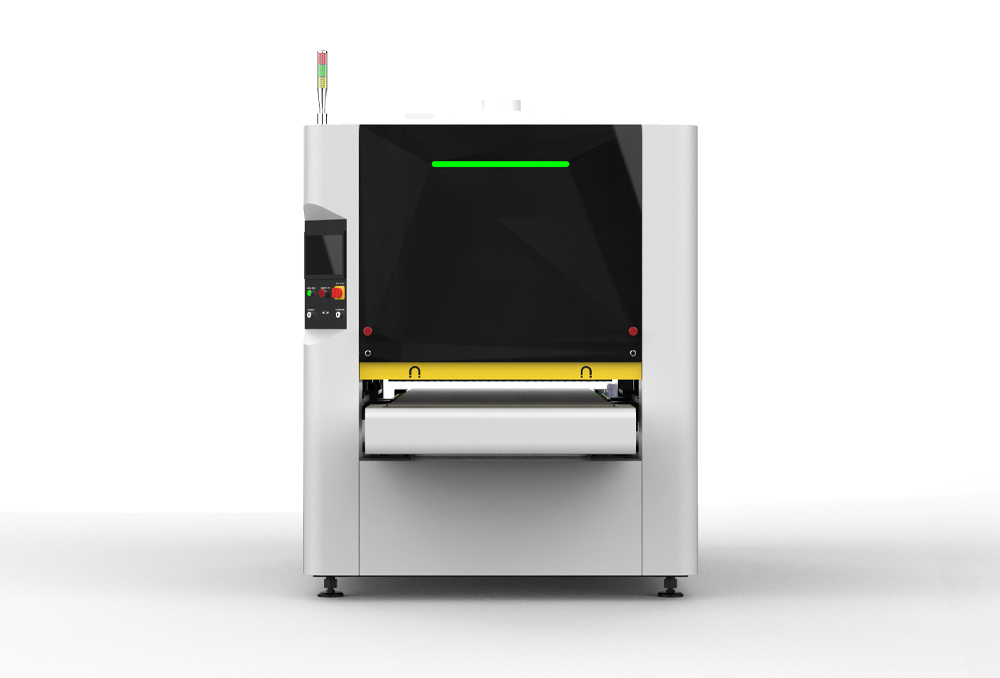
2.1. Станок для снятия заусенцев и волочения проволоки 1300BRBP в основном используется для снятия заусенцев, снятия фаски и волочения проволоки различных металлических заготовок для улучшения качества поверхности и точности. Это оборудование объединяет функции ленточного снятия заусенцев и универсального щеточного снятия фаски, что позволяет выполнять несколько процессов обработки поверхности за один проход, повышая эффективность производства и стабильность качества продукции. Подходит для нержавеющей стали, алюминиевых сплавов, железа, меди и т. д. Можно регулировать различные параметры и выбирать подходящие абразивы в соответствии с различными требованиями обработки.
2.2. Удаление заусенцев и обработка поверхности заготовки методом волочения проволоки.
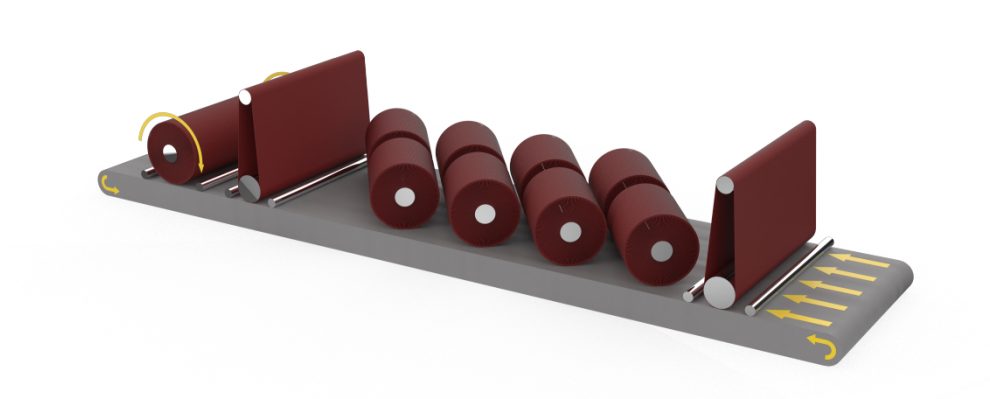
Данное оборудование оснащено двумя комплектами широких абразивных лент. Абразивные ленты вращаются с высокой скоростью под действием шлифовальных роликов, удаляя частицы шлака, окалину, крупные заусенцы и другие дефекты с поверхности заготовки, одновременно обеспечивая высококачественный эффект волочения проволоки.
2.3. Удаление заусенцев с кромок заготовки и отверстий
Данное оборудование оснащено 4-рядной (по два комплекта в каждом ряду) универсальной роликовой щеточной системой. Абразив роликовой щетки вращается с высокой скоростью, обрабатывая поверхность заготовки, делая контурные кромки и отверстия гладкими и закругленными, создавая эффект скругленных углов. Это позволяет за один проход удалять заусенцы, образующиеся при штамповке, резке, лазерной резке, плазменной резке и т. д., обеспечивая эффект малой дуги на всех кромках и отверстиях заготовки, что делает процесс обработки безопасным и надежным.
2.4. Обработка поверхности заготовки методом волочения проволоки
Данное оборудование оснащено одним комплектом механизмов для волочения проволоки. Вальцы для волочения проволоки вращаются с высокой скоростью, обеспечивая обработку поверхности заготовки методом волочения.
2.5. Конвейерная лента оборудования
Данное оборудование оснащено вакуумной адсорбционной платформой для транспортировки заготовок. Регулировка скорости осуществляется с помощью частотно-регулируемого привода. Материал обеспечивает баланс коэффициента трения и твердости, удовлетворяя требованиям к трению и гарантируя длительный срок службы.
Срок службы на 50% дольше, чем у ПВХ.
2.6. Пылеудаление оборудования
Данное оборудование может быть оснащено одним мокрым пылесборником мощностью 7,5 кВт. Метод пылеудаления: пыль, образующаяся в основном блоке во время работы, эффективно всасывается через пылесборное отверстие. Это исключает риск взрыва пыли и поддерживает чистоту внутри оборудования.
2.7. Двигатель с абразивным ремнем
Достигается согласование скорости абразивной ленты и скорости подачи в реальном времени, что исключает риск пригорания тонких заготовок и обеспечивает подлинную холодную шлифовку. Высокая мощность двигателя облегчает обработку изделий.
2.8. Двигатель подъема платформы
В подъемной платформе используется серводвигатель с замкнутым контуром управления, обеспечивающий быстрое реагирование и высокую точность. Точность позиционирования достигает 0,01 мм.
2.9. Конвейерная платформа
В данном оборудовании используется импортная конвейерная лента с высоким демпфированием для транспортировки заготовок, а также частотно-регулируемая система регулировки скорости. Благодаря вакуумной адсорбционной платформе, допуск на плоскостность составляет ≤0,05 мм, что обеспечивает высокую точность.
2.10. Абразив для роликовых щеток
Использование стандартных абразивов позволяет увеличить количество абразивных лезвий на 12,5%, эффективную длину на 23%, а также повысить общий срок службы на 38,4%. В станках с ЧПУ используются универсальные абразивные изнашиваемые детали, которые можно приобрести отдельно.
2.11. Проводящее контактное кольцо
Станок для снятия заусенцев в стандартной комплектации оснащен проводящим контактным кольцом промышленного класса со сроком службы 80 миллионов оборотов, что в 5,33 раза больше, чем у станков гражданского класса; уровень защиты — IP65.
2.12. Отображение тревожных сигналов
Станок для удаления заусенцев оснащен комплексными функциями сигнализации и отображения информации. Сигналы тревоги: открыта защитная дверца, не натянута абразивная лента, смещение абразивной ленты, низкое давление, замена абразива в роликовых щетках, перегрузка двигателя и т. д.
На дисплее отображаются: ток абразивной ленты, напряжение, частота и т.д.
2.13 Безопасность
Станок для удаления заусенцев имеет комплексную конструкцию, предотвращающую разлет осколков. На входе и выходе установлены противовзлетные прижимные ролики и металлические противовзлетные перегородки; все прозрачные окна изготовлены из взрывозащищенного материала; также предусмотрена встроенная светодиодная система освещения с безопасным напряжением.
2.14 Компенсация абразивного износа
Разработанная нами автоматическая технология компенсации абразивного износа сокращает ручное вмешательство, обеспечивает равномерный абразивный износ и, следовательно, гарантирует стабильное качество продукции.
2.15 Схема пылесборника
2.16 Принцип работы пылесборника
Когда запыленный газ втягивается вентилятором во входную камеру пылесборника, поток воздуха поворачивает вниз и ударяется о поверхность воды, в результате чего некоторые более крупные частицы пыли падают непосредственно в воду. По мере прохождения мелких частиц пыли через S-образный канал для удаления накипи между верхним и нижним рабочими колесами скорость потока воздуха увеличивается. При ударе о поверхность воды поток воздуха уносит с собой воду, создавая большое количество водяного тумана и мелкодисперсной взвеси, обеспечивая полный контакт воды и воздуха. В S-образном канале для удаления накипи резкое изменение потока воздуха создает центробежную силу, отбрасывая частицы пыли к внешней стенке, где мелкие частицы эффективно улавливаются водяным туманом. После того, как поток воздуха покидает S-образный канал для удаления накипи и попадает в камеру распыления чистого воздуха, его скорость уменьшается. Водяной туман центробежно отделяется перегородкой и падает, смывая пыль. Вода и воздух дополнительно тщательно перемешиваются и контактируют, при этом большая часть мелких частиц пыли улавливается каплями воды и оседает в воде, возвращаясь в резервуар для хранения воды. Очищенный газ удаляется каплями воды с помощью перегородки в камере распыления и отводится вентилятором, в то время как суспензия периодически или непрерывно выгружается через сливной клапан.
2.17 Защита от травм
①. На входе и выходе установлены противооткатные прижимные ролики.
②. Все прозрачные окна изготовлены из взрывозащищенного материала.
③. Стандартный предохранительный дверной выключатель; если дверца случайно откроется во время работы оборудования, вся машина немедленно остановится и прозвучит сигнал тревоги.
④. Оснащен комплексными функциями сигнализации: открытие защитной двери, отклонение песчаной ленты, низкое давление в адсорбционной камере, перегрузка двигателя и т. д.
II. Введение в основные принципы
3.1. Принцип работы механизма шлифовальной ленты
Механизм удаления заусенцев в этом оборудовании представляет собой конструкцию с широкой шлифовальной лентой. Механизм шлифовальной ленты расположен продольно на большой ширине и использует запатентованный нашей компанией механизм подъема и наклона шлифовальной ленты, что позволяет с высокой точностью удалять твердые заусенцы, такие как следы волочения проволоки, пробивки и завивки на поверхности заготовки.
3.2. Принцип работы щеточного роликового механизма
Механизм скругления углов в этом оборудовании представляет собой роликово-щеточный механизм. Три ряда роликовых щеток роликового механизма расположены в шахматном порядке и крест-накрест. Приводимые в движение вращающимся валом, восемь абразивных роликовых щеток вращаются с высокой скоростью и обрабатывают заготовку, обеспечивая равномерную шлифовку и снятие фаски на любой точке конвейерной ленты.
3.3. Принцип работы механизма крепления и транспортировки
Данное оборудование приводится в движение конвейерной лентой с высоким демпфированием. Скорость транспортировки регулируется частотным преобразователем. Заготовка надежно фиксируется на конвейерной ленте с помощью прижимных роликов и вакуумной адсорбции.
III. Система управления
Данное оборудование оснащено 10-дюймовым сенсорным экраном высокого разрешения Siemens. Вся машина централизованно управляется программой ПЛК Siemens и имеет полные функции самодиагностики, защиты и сигнализации. Интерфейс взаимодействия человека и машины прост и функционален, с понятным вводом параметров, подробным и конкретным отображением рабочих данных в режиме реального времени, а также своевременной и безопасной обратной связью после самодиагностики, что делает это оборудование безопасным и простым в использовании. При неисправности оборудования, остановке или невозможности ручного управления, на сенсорном экране отображается соответствующая информация о неисправности и подсказки по эксплуатации в виде кодов ПЛК и текста.
1. Удалите заусенцы и острые края с поверхности и контурных кромок заготовки;
2. Снятие фаски;
3. Выполните высококачественную волочение проволоки по поверхности заготовки.
Стабильность работы оборудования
Оборудование работает эффективно, стабильно и надежно, отвечая требованиям для длительной (20 часов в сутки) бесперебойной работы.
Грузоподъемность платформы
≤500 кг
Стандарт шума
При закрытых дверях оборудования уровень шума ≤ 85 дБ, измеренный на расстоянии 1 метра.
Стандарт вибрации
Ссылка на ISO 2372
Стандарт защиты окружающей среды
Ссылка GBJ87-1985
Стандарт безопасности
Огнестойкость, взрывозащита и защита дверных предохранительных выключателей, согласно стандарту GB/T20850-2014.
Технические параметры
1
Ширина верстака
1300 мм
2
Толщина обработки
0.8-80mm
3
Минимальный размер обработки
≥ 50*50*0,8 мм (без перфорированной пластины)
4
Скорость подачи
0,5-6 м/мин (частота регулируется)
5
Скорость шлифовальной ленты
0-1450 об/мин
6
Скорость роликовой щетки
0-1450 об/мин
7
Скорость вращения
0-18 об/мин
8
Максимальная мощность
86 кВт (без учета пылесборника)
9
Номинальное напряжение
380 В/3 фазы/50 Гц
10
Давление воздуха
0,6-0,8 МПа
11
Размер шлифовальной ленты
2200*1320mm
12
Размер роликовой щетки
400*300*40mm
13
Вес основного блока
Примерно 6400 кг
14
Размеры
4920X2180X2250
В. Основная конфигурация
Серийный номер
Название компонента
Бренд
Количество
Функция
1
Двигатель ленточной шлифовальной машины 18,5 кВт
Хуаруи
2
Используется для передачи шлифовальной ленты.
2
Самовращающийся двигатель для роликовых щеток, 4 кВт
Хуаруи
4
Используется для вращения валика-щетки.
3
Двигатель с вращающимися роликовыми щетками мощностью 2,2 кВт.
Цзиньваньшунь
1
Для революции роликовых щеток
4
Двигатель для подъема роликовой щетки 0,75 кВт
Цзиньваньшунь
1
Для обеспечения подъемной силы роликовой щетки
5
Конвейерный двигатель 3 кВт
Цзиньваньшунь
1
Для питания конвейера
6
Подъемный сервомотор для платформы мощностью 1,3 кВт
Хуэйчуань
1
Для подъема платформы
7
Вальцовочный станок для волочения проволоки 7,5 кВт
Хуаруи
1
Используется для привода роликов при волочении проволоки.
7
Адсорбционный вентилятор 18,5 кВт
Кюсю включено
1
Для адсорбции заготовок
8
Двигатель для мокрого пылесборника 7,5 кВт
1
Соответствие нормам по выбросам пыли в помещении (необязательно)
9
Сенсорный экран ПЛК (10 дюймов)
Сименс
1
Для обработки всего станка на станке с ЧПУ
10
Промежуточная эстафета
Омрон
16
Схема подключения
11
Электроприборы низкого напряжения
Чинт
3
Схема подключения
12
Частотный преобразователь
Хуэйчуань
7
Регулировка скорости с помощью частотно-регулируемого привода
13
электромагнитный клапан
Эйртац
4
Пневматическая индукция
14
Выключатель
Schneider Electric
6
Контроль
15
Фотоэлектрический метод формирования ленты
Banner Engineering
2
Формирование ремней
16
Главный подшипник
Харбин
10
Вращение приводного ролика и натяжного ролика
17
Установленный подшипник
ТР
12
Вращение приводного ролика и натяжного ролика
18
Пневматические компоненты
Мопбон
2
Натянутый ремень
Фотографии машин
Образец
Часто задаваемые вопросы о станках для снятия заусенцев с металла
1. BRB и BBR отличаются только способом применения? В чём заключаются конкретные различия в эффекте?
Ответ: B обозначает абразивную ленту, а R — снятие фаски.
① Принцип работы комбинированной абразивной ленты BRB заключается в использовании 1 абразивной ленты + 1 ленты для снятия фаски + 1 абразивной ленты. Эта комбинация предназначена для клиентов с мелкими заусенцами и высокими требованиями к внешней поверхности (в основном для снятия заусенцев с нержавеющей стали, алюминия, меди и т. д., преимущественно используется в прецизионной обработке листового металла, полупроводниковой промышленности и т. д.).
② Принцип работы комбинации BBR заключается в использовании 1 абразивной ленты + 1 абразивной ленты + 1 ленты для снятия фаски. Эта комбинация предназначена для клиентов с крупными заусенцами и низкими требованиями к внешней поверхности (после снятия фаски на поверхности листа остаются небольшие неровности, в основном это касается листов из углеродистой стали и лазерной резки).
2. Включает ли вакуумная адсорбционная платформа секции для удаления заусенцев и снятия фаски? Какова стандартная конфигурация? Каково расстояние между ячейками сетки?
Ответ: Абразивная лента и фаскоснимающая часть вакуумной адсорбционной платформы стандартно оснащены функцией адсорбции. Шаг сетки составляет 25 мм. Если заказчик обрабатывает особо мелкие заготовки, могут быть изготовлены на заказ нестандартные версии с увеличенным размером сетки и версии с усиленной адсорбцией в соответствии с его потребностями.
3. Пожалуйста, предоставьте изображение платформы для магнитной адсорбции мрамора. Включает ли она секции для удаления заусенцев и снятия фаски? Какова стандартная комплектация? Является ли платформа без магнитной адсорбции или вакуумной адсорбции также платформой для мрамора? Каковы ее преимущества?
Ответ: Абразивная лента платформы и фаскоснимающая часть стандартно оснащены магнитами. Расстояние между магнитами составляет приблизительно 100 мм (слишком большое количество магнитов увеличит сопротивление конвейерной платформы, когда покупатели будут тянуть всю пластину целиком, что значительно повысит трение и сократит срок службы двигателя конвейера и платформы).
Любая стандартная конфигурация без вакуумной адсорбции — это мраморная платформа.
Мраморная платформа изготавливается с помощью плоскошлифовального станка, который шлифует всю поверхность, обеспечивая плоскостность 0,05 мм. Она не деформируется после длительного использования. Вакуумные адсорбционные платформы требуют выдолбливания внутренней части платформы; выдолбливание мрамора снизило бы его прочность. Поэтому вакуумные адсорбционные платформы изготавливаются из стальных пластин, соединенных методом стыковки → термообработки → прецизионной механической обработки.
4. Когда следует выбирать мокрый скруббер? В чем его отличия от других пылесборников?
Ответ: Компания предлагает в качестве опции мокрый пылесборник мощностью 7,5 кВт. Поскольку частицы, образующиеся при удалении заусенцев и шлифовании, относительно крупные, использование сухого фильтрующего картриджа может легко засорить фильтрующий элемент.
5. Абразив из карбида кремния (черная шлифовальная лента) имеет более длительный срок службы. Каков этот срок? Из какого материала изготовлена обычная шлифовальная лента и каков ее срок службы?
В стандартной комплектации используется абразив из карбида кремния со сроком службы приблизительно 80-120 часов на изделие (срок службы может незначительно варьироваться в зависимости от условий работы заказчика, размера бора и т. д.).
6. Ремни для гольфа износостойкие, термостойкие и имеют более длительный срок службы.
В чём разница между использованием самоклеящейся конвейерной ленты толщиной 7 мм с тремя слоями клея и тремя слоями ткани? Какой тип конвейерной ленты используется в каких условиях эксплуатации? В чём разница в сроке службы?
Ответ: В индустрии магнитных платформ в основном используются следующие типы: ленты для газонов (плохое качество) → алмазные ленты (относительно плохое качество) → ленты для гольфа (выше среднего качества). Магнитные платформы нашей компании стандартно оснащены лентами для гольфа толщиной 7 мм. Нормальный срок службы составляет 3-5 лет.
Стандартная конфигурация вакуумной адсорбционной платформы использует 7-миллиметровую высокопрочную самоклеящуюся конвейерную ленту из трех слоев ткани. Эта плоская лента имеет ровную верхнюю поверхность, и после перфорации сила адсорбции на заготовке становится сильнее. В то же время лента обладает собственными демпфирующими свойствами, что делает ее более стабильной и предотвращает отклонения при шлифовании мелких заготовок.
7. Платформа использует высокоточное управление сервомотором, а повторяемость может достигать 0,01 мм. Каков механизм подъема?
Ответ: В главном приводе используется серводвигатель и редуктор для передачи мощности. В трансмиссии для передачи крутящего момента используется цепь. В подъемном механизме для подъема и опускания платформы используется высокоточная направляющая втулка собственной разработки.
8. Все ли модели способны обрабатывать заготовки толщиной от 0,8 до 80 мм? Все ли модели способны обрабатывать заготовки размерами ≥ 50*50*0,5 мм (без перфорированных пластин)?
Ответ: В стандартной комплектации все модели могут обрабатывать заготовки толщиной от 0,8 до 80 мм, а также заготовки размером ≥ 50*50*0,5 мм (без перфорированных пластин). Возможна нестандартная настройка по индивидуальным требованиям заказчика.
9. Каковы требования к обрабатываемому листовому материалу для удаления заусенцев? Какие виды листового материала не подлежат обработке?
Ответ: В основном для плоских листовых материалов. Станок для снятия заусенцев не может обрабатывать трехмерные детали неправильной формы.
10. Есть ли у вас устройство, которое наполовину использует вакуумную адсорбцию, а наполовину — магнитную адсорбцию?
Ответ: Просто обратите внимание на требования при оформлении заказа. Рекомендуется не добавлять магнитную адсорбцию к вакуумной адсорбции. ① Эффект шлифовки всей доски будет плохим. ② Железные опилки от шлифовки будут притягиваться к магниту, что приведет к повреждению ленты после длительного использования.
11. Насколько высоким должен быть уровень заусенцев или шлака, чтобы потребовалось многократное измельчение?
Ответ: Это зависит от конкретной заготовки заказчика. Как правило, заусенцы размером ≤ 0,5 мм можно удалить за один проход.
12. Совпадает ли высота двойных шлифовальных роликов с высотой ленточной шлифовальной машины?
Ответ: Задний шлифовальный ролик для удаления заусенцев будет немного выше. В стандартной комплектации мы устанавливаем два шлифовальных ролика для удаления заусенцев, и их высоту можно регулировать.
13. В чем основные различия между ленточным абразивным волочильным станком и волочильными роликами? Приведите сравнительные изображения результатов. И каковы основные группы потребителей волочильных роликов?
Ответ: Валки для волочения проволоки в основном используются заказчиками, когда им необходимо выпрямить проволоку на заготовках, например, в прецизионной металлообработке и производстве полупроводников.
14. Являются ли столы для магнитной адсорбции стандартными конфигурациями?
Ответ: Оба варианта указаны в коммерческом предложении и сконфигурированы в соответствии с потребностями заказчика.
15. 800BB1000BB1000BBW1000BBR1000BRB1300BBR1300BRB. Каковы соответствующие значения мощности и тока?
Ответ: Мощность модели указана в техническом паспорте; для получения подробной информации обратитесь к техническому паспорту. Все модели основаны на принципиальных схемах и поставляются в стандартной комплектации, при этом для каждой модели указаны определенные параметры.
16. Разве модель 800 не имеет функции снятия фаски?
Ответ: На выбор предлагаются четыре модели: 800BB/800BRP/800BRB/800BBR.
Примечание: Размеры каждой модели соответствуют максимальной ширине шлифовки заготовки (B: абразивная лента, R: универсальная щетка, P: волочильный ролик, H: молотковый диск). Пример: 1000BBR — максимальная ширина шлифовки заготовки составляет 1000 мм, две абразивные ленты + фаска.
17. Как работает функция очистки адсорбционной камеры?
Ответ: Воздух периодически подается в камеру каждые 20 секунд; время подачи можно настроить в программе.
18. Каков принцип работы системы компенсации абразивного износа и как она настраивается?
Ответ: Параметры компенсации можно настроить в программе с точностью до 0,01 мм.
19. Все ли модели оснащены 3 рядами и 6 группами скошенных кромок? Каков максимальный радиус (R)?
Ответ: Стандартная конфигурация для формата 800 мм — 2 ряда и 4 группы, для формата 1000 мм — 3 ряда и 6 групп, а для формата 1300 мм — 4 ряда и 8 групп. Радиус фаски (R) ≤ 1 мм.
20. Какие типы абразивов используются для снятия фаски? Сколько таких абразивов входит в один набор, и сколько деталей в каждом наборе?
Ответ: Доступны абразивные ленты плотностью 80#, 120# и 180#. Для углеродистой стали стандартно устанавливается лента плотностью 60#, а для нержавеющей стали, меди и алюминия — лента плотностью 120#. Один комплект состоит из 108 абразивных лент.
21. Каковы характеристики и модели уязвимых частей оборудования?
Ответ: Доступны модели и цены на абразивные ленточные шлифовальные ленты. Стандартная комплектация включает один концевой выключатель каждой модели и один комплект промежуточных реле, что позволяет клиентам самостоятельно устранять любые возникающие проблемы.
Связанные продукты
Оставить сообщение
Если вы заинтересованы в любом продукте, пожалуйста, свяжитесь с нами. Мы представим наши
продукты для вас в более подробной