

Why Should You Switch to Electric CNC Press Brakes for Your Business in 2026
Time : Apr 16, 2026 View : 1,217
If workshops continue to depend on hydraulic bending machines, the year 2026 might seem quite different from earlier periods. Orders tend to be more demanding, clients demand greater accuracy, and power expenses keep climbing upward. Numerous producers have already transitioned to electric CNC press brakes, not merely because the technology appears modern, but since routine operations turn out simpler to handle.
During this transition, Wisecut has slowly gained recognition in the metalworking sector. The firm specializes in equipment for cutting, welding, and bending tasks, creating a full production sequence. Such an approach proves more significant than it initially seems. When equipment functions seamlessly together, interruptions in production occur less frequently, and yields remain steady.
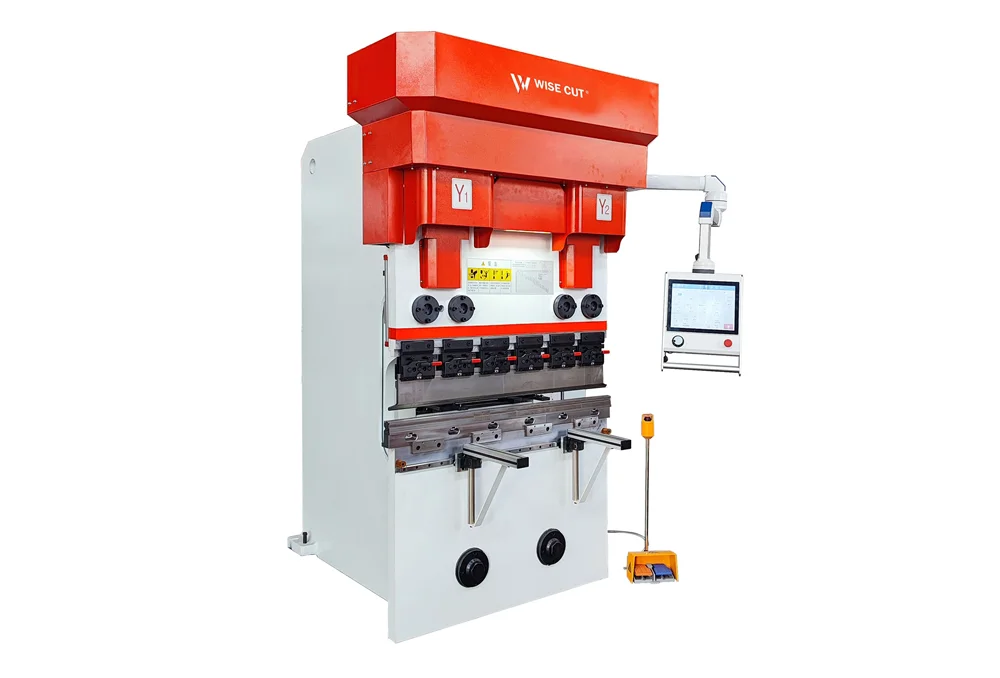
What Is Driving the Shift Toward Electric CNC Press Brakes in 2026?
This transformation did not happen abruptly. It has developed gradually over the years. Facilities face challenges from various sources. Power expenses persist in increasing, regulations for the environment grow more rigorous, and timelines for delivery shorten considerably.
Conventional hydraulic press brakes still deliver solid results, yet they involve typical drawbacks. Oil spills, sensitivity to heat, and regular upkeep are points that operators frequently highlight. These issues do not always halt operations completely, but they cause delays in gradual manners.
Electric CNC press brakes eliminate several of these difficulties. With no hydraulic oil involved, the chance of pollution decreases substantially. The operational setting turns out cleaner overall. Devices also draw less electricity since power gets used solely during active movement, rather than in standby periods.
For numerous enterprises, the choice boils down to reliability. Fewer surprise problems lead to more dependable scheduling of production.
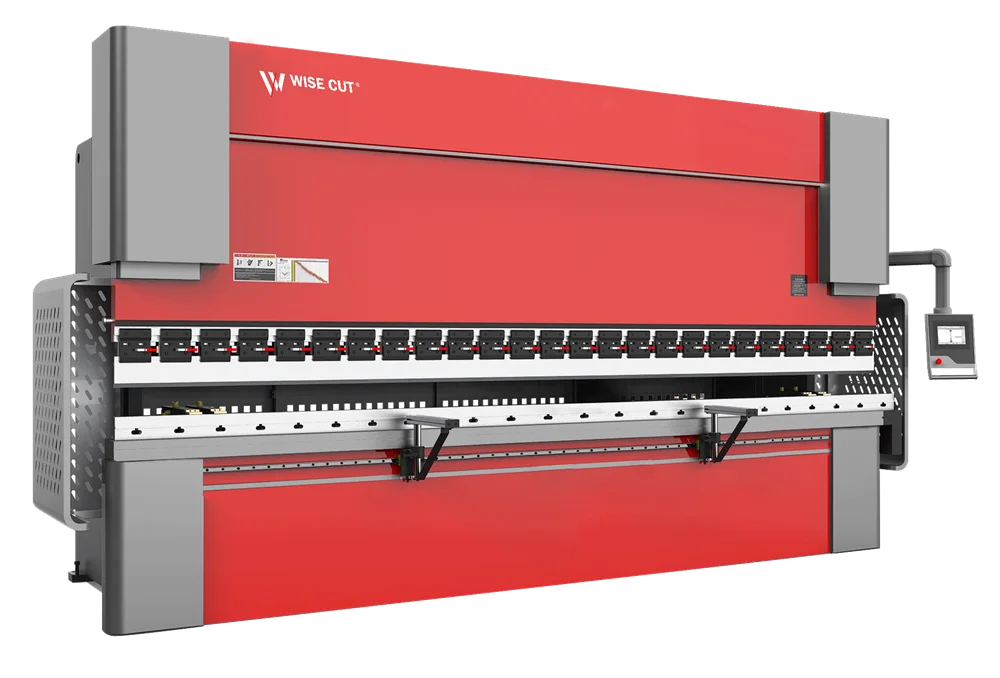
How Do Electric CNC Press Brakes Work Compared to Hydraulic Systems?
Both electric and hydraulic press brakes carry out the core function in similar ways. They shape metal through a punch and die setup, guided by a CNC control. The main variation appears in the method of producing force.
Hydraulic setups depend on oil under pressure. Electric versions employ servo motors paired with ball screw arrangements. This straightforward drive method enables finer command over motions.
In everyday applications, such a setup results in quicker reactions and superior placement exactness. No lag arises from fluid squeezing. The device responds precisely according to the input program.
Operators commonly observe that electric units provide more uniform performance. After setting the parameters, outcomes repeat with minimal differences. This cuts down on the requirement for hands-on tweaks, which previously relied greatly on the skill of the operator.
What Are the Key Advantages of Switching to Electric CNC Press Brakes?
When evaluating an update, most purchasers concentrate on output, expenses, and servicing. Electric CNC press brakes tackle these elements in straightforward fashions.
Higher Precision And Repeatability
Electric setups utilize servo guidance to reach exact placement. This ensures steady shaping outcomes, even in extensive manufacturing runs.
For sectors that demand narrow margins, this degree of exactness turns essential. It aids in cutting down waste of materials and prevents the need for corrections.
Lower Energy Consumption And Operating Costs
Electric units draw power only during active phases. Hydraulic setups, by contrast, continue operating even in rest states.
In the long run, this contrast shows up clearly on utility statements. Reduced power draw also aids in ongoing expense management, which holds value for smaller and mid-sized firms.
Reduced Maintenance And Cleaner Operation
Lacking hydraulic oil, servicing turns less complicated. No oil changes or leak handling becomes necessary.
A tidier device further fosters a safer workspace. It lowers accident risks and simplifies routine upkeep tasks.
Faster Production Cycles
Electric setups act swiftly. No time waits for pressure to build.
Even a modest cut in cycle duration can boost total production. In scenarios of large-scale output, this gain turns noteworthy.
Why Is The WISECUT 40TX1200MM CNC Press Brake Electric Model a Smart Investment?
Selecting a device seldom revolves around specs alone. The true value lies in its everyday functionality.
The WISECUT 40TX1200MM CNC Press Brake Electric Model gets built for real-world applications. Its small footprint suits facilities with tight areas, yet it supplies ample strength for typical shaping jobs.
The unit adheres to CE guidelines, and its power parts carry approvals. This eases worries about safety, particularly for firms that must comply with global norms.
A further vital feature involves control steadiness. The unit employs an integrated guidance system, which supports reliable output across extended periods. Often, unevenness stems from incompatible parts. A uniform design approach helps sidestep such problems.
Moreover, it integrates nicely into larger production arrangements. Wisecut supplies various devices, such as those for laser cutting and welding. This enables firms to assemble a thorough fabrication setup without matching troubles.
How Does Wisecut Address Common Buyer Concerns?
Acquiring gear extends beyond spec comparisons. Worries regarding dependability, assistance, and ease of use frequently shape the ultimate choice.
Is The Machine Reliable for Long-Term Use?
The devices get made under rigorous quality measures, including ISO approvals. Every piece undergoes testing prior to shipping to verify output and exactness.
Wisecut gear already serves in over 20 nations, with more than 1000 units active. This extent of use indicates solid performance in diverse settings.
What About After-Sales Support And Training?
Post-purchase aid ranks as a typical worry, particularly for international purchasers.
Expert help stands ready at all hours. Distant troubleshooting resolves many problems promptly. When required, specialists can offer in-person aid within brief periods.
Guidance forms part of the package as well. Workers receive instruction until they master the unit’s use correctly and securely. This shortens the adjustment phase and helps prevent errors in initial stages.
What Types of Businesses Benefit Most from Electric CNC Press Brakes?
Electric CNC press brakes fit a broad array of fields. They extend beyond massive plants.
Smaller and mid-sized workshops typically gain the greatest rewards. These operations often require versatility to manage varied assignments. Electric units simplify shifting between jobs without extended preparation times.
Fields like automotive components, equipment building, and electronic assembly all gain from enhanced exactness and productivity.
Firms emphasizing expense oversight also notice distinct benefits. Decreased power draw and less servicing directly enhance earnings.
How to Choose the Right Electric CNC Press Brake for Your Business?
Picking the suitable unit begins with a firm grasp of output requirements.
Types of materials and their thickness rank as initial considerations. These factors dictate the needed force and unit dimensions.
Precision follows closely. For items needing high accuracy, a dependable servo setup proves crucial.
Power usage counts as another central aspect. Smaller running expenses can create substantial impacts over periods.
Lastly, evaluate the provider. Dependable aid and expert service hold equal weight to unit output.
Conclusion Is 2026 the Right Time to Upgrade to Electric CNC Press Brakes?
The progression to electric CNC press brakes mirrors actual shifts in production. It goes beyond merely embracing fresh tech. Rather, it focuses on resolving ongoing challenges.
Electric units deliver superior exactness, reduced power draw, and easier servicing. These strengths influence routine output directly.
If existing gear leads to holdups or demands constant upkeep, updating could yield prompt gains. Delaying excessively might result in lagging behind rivals who have boosted their productivity already.
The WISECUT 40TX1200MM model offers a sensible choice for firms aiming to complete this change without excess complications.
FAQ
Q1: Are Electric CNC Press Brakes More Expensive Than Hydraulic Ones?
A: The upfront price tends to be greater, but decreased power needs and less servicing frequently offset the outlay in the long term.
Q2: Can Electric Press Brakes Handle Thick Materials?
A: They work well for most routine uses. Hydraulic units might remain preferable for very heavy materials.
Q3: How Difficult Is It to Operate an Electric CNC Press Brake?
A: Handling proves simple. With adequate instruction, workers can grasp core features quickly.
Q4: What Maintenance Is Required for Electric Models?
A: Servicing stays less involved without hydraulic oil. Routine checks of mechanical parts generally suffice.
Q5: Is After-Sales Support Available Globally?
A: Yes. Distant expert aid exists, and in-person service can get scheduled as necessary.


