
Perché i pezzi tagliati al laser necessitano ancora di sbavatura?
Data: 31 luglio 2026 Visualizzazione : 492
Il taglio è terminato. Spesso, però, il pezzo non lo è.
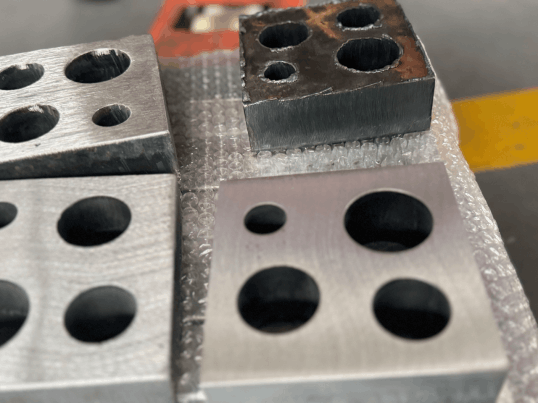
Un pannello appena tagliato può apparire pulito da lontano. Sollevandolo, però, l'immagine cambia. Potrebbe esserci un cordone di scoria indurita lungo il bordo inferiore, un bordo sporgente attorno a un foro, un angolo appuntito che può impigliarsi in un guanto, o una venatura superficiale che cambia direzione a metà del pezzo.
Ciò non significa automaticamente che la macchina per il taglio laser abbia funzionato male. I parametri di taglio, le condizioni del materiale e la geometria del pezzo influiscono tutti sulla qualità del bordo. Anche un processo stabile può non garantire che un componente raggiunga gli standard richiesti per la verniciatura, la saldatura, l'assemblaggio o il contatto manuale frequente.
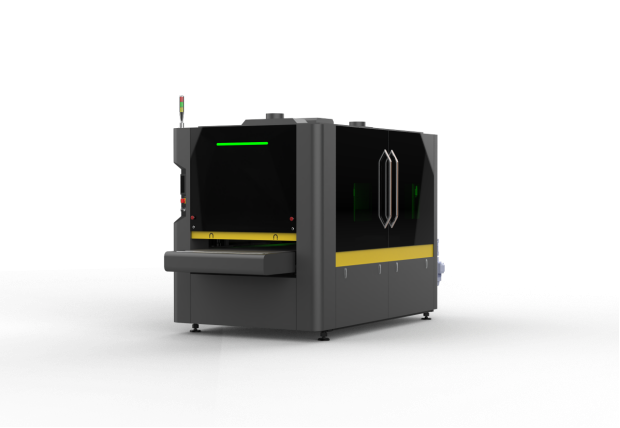
WiseCut opera in tutti i settori del taglio e della formatura dei metalli, comprese le macchine per il taglio laser a fibra, le saldatrici laser, le macchine per la pulizia laser, le presse piegatrici CNC e le piegatrici elettriche. La sbavatrice per lamiera 1300BRBP estende questo flusso di lavoro oltre il taglio, rimuovendo i difetti residui, arrotondando i contorni e preparando le superfici piane per la fase successiva.
Perché rimangono bave e scorie dopo il taglio laser
Un laser fonde il materiale lungo uno stretto percorso di taglio. Un gas di assistenza spinge la maggior parte del materiale fuso fuori dal solco di taglio. Quando l'apporto di energia, il flusso di gas e la velocità di avanzamento sono ben bilanciati, il bordo può risultare molto pulito. La produzione raramente raggiunge un risultato così preciso per ogni profilo, spessore e lotto.
Il calore e il metallo fuso lasciano difetti diversi
Il metallo fuso che non fuoriesce dal taglio può solidificarsi sul bordo inferiore sotto forma di scorie. Un piccolo bordo rialzato può anche rimanere nel punto in cui il fascio entra, esce o cambia direzione. Lamiere spesse, angoli stretti e piccole caratteristiche interne tendono a rendere questi effetti più visibili.
Anche il materiale è importante. L'acciaio al carbonio tagliato con ossigeno si comporta in modo diverso dall'acciaio inossidabile o dall'alluminio tagliati con azoto. Le condizioni della superficie, l'usura dell'ugello, la posizione del fuoco e la stabilità del gas di assistenza possono influenzare il risultato tra una lavorazione e l'altra, anche se il disegno è rimasto invariato.
Alcuni spigoli vivi sono semplicemente parte della geometria
Un bordo squadrato tagliato al laser può corrispondere al disegno ma risultare comunque scomodo da maneggiare. Il problema diventa più evidente su pannelli di accesso, armadi, attrezzature da cucina e componenti che gli operatori toccano durante l'assemblaggio. Queste parti potrebbero richiedere un raggio controllato, non solo la rimozione di una bava visibile.
Quali parametri di taglio migliori possono risolvere
Prima di aggiungere una fase di finitura, è fondamentale verificare il processo di taglio. Una messa a fuoco errata, un ugello danneggiato, una pressione del gas instabile o una velocità non corretta possono generare difetti che devono essere corretti alla fonte. La levigatura di ogni singolo pezzo tagliato male non fa altro che mascherare il problema reale e aumentare i costi.
Una revisione del processo può spesso ridurre le bave fini e le scorie aderenti verificando i seguenti punti.
- Posizione del fuoco e allineamento del fascio in base al materiale e allo spessore.
- Condizioni dell'ugello, centraggio e distanza dal foglio.
- Stabilità della purezza, della pressione e del flusso del gas di assistenza.
- Velocità di taglio, potenza del laser e impostazioni per il controllo degli angoli.
- Qualità della piastra, contaminazione superficiale e planarità.
Una corretta tecnica di taglio dovrebbe essere la prima cosa da fare. Riduce il lavoro rimanente per la macchina di finitura e preserva la durata degli abrasivi.
Dove l'ottimizzazione del taglio raggiunge i suoi limiti
Un taglio più netto non soddisfa tutti i requisiti successivi. Un contenitore potrebbe comunque necessitare di bordi dei fori arrotondati prima dell'installazione dei cavi. Un pannello frontale in acciaio inossidabile potrebbe richiedere una finitura spazzolata uniforme. Un componente verniciato a polvere potrebbe necessitare di angoli smussati affinché il rivestimento non si assottigli sul bordo. Il laser non può ottenere tutti questi risultati modificando la messa a fuoco o la pressione del gas.
Sbavatura, arrotondamento dei bordi e finitura superficiale sono lavori diversi
Spesso questi termini vengono raggruppati insieme, ma descrivono risultati distinti.
- La sbavatura rimuove le sporgenze metalliche lasciate dal taglio, dalla punzonatura, dalla tranciatura o dalla stampatura.
- La rimozione delle scorie permette di staccare i depositi più duri attaccati alla parte inferiore dei pezzi tagliati termicamente.
- L'arrotondamento dei bordi ammorbidisce i contorni esterni e i fori interni fino a ottenere un raggio di curvatura controllato e ridotto.
- La finitura superficiale rimuove incrostazioni o segni e può creare una venatura direzionale uniforme.
Un'officina che necessita solo della rimozione delle scorie superficiali potrebbe optare per un processo diverso rispetto a un'officina che produce pannelli in acciaio inossidabile a vista. I campioni di lavorazione forniscono una risposta più rapida rispetto a un lungo elenco di opzioni di macchinari.
In che modo i bordi non rifiniti influenzano l'operazione successiva?
Il costo di una bava raramente si manifesta nel reparto di taglio. Compare in seguito, dove è più difficile individuarla e più costoso eliminarla.
Gestione e assemblaggio
I bordi taglienti possono danneggiare i guanti, graffiare le parti adiacenti e rallentare le operazioni manuali. Le bave attorno ai fori possono interferire con elementi di fissaggio, cablaggi o componenti già montati. Gli operatori compensano con lime e smerigliatrici manuali, introducendo così un'ulteriore fonte di variabilità.
Saldatura e piegatura
Le scorie aderenti possono impedire a un pezzo di aderire perfettamente al dispositivo di fissaggio. I bordi rialzati modificano i punti di contatto durante la piegatura e rendono meno prevedibile l'accoppiamento prima della saldatura. La rimozione di questi difetti crea una superficie di riferimento più ripetibile per la macchina o l'operatore successivi.
Verniciatura e verniciatura a polvere
Durante l'indurimento, la vernice tende a staccarsi dai bordi molto netti. Un raggio piccolo e uniforme offre una superficie di copertura maggiore e riduce la possibilità di una linea sottile e vulnerabile lungo l'angolo. Anche i residui superficiali e le incrostazioni possono compromettere l'adesione.
Rettifica manuale o sbavatura automatica?
Gli utensili manuali sono ancora utili per prototipi, riparazioni occasionali e forme che non possono essere posizionate in piano su un nastro trasportatore. I problemi iniziano quando la stessa lavorazione di finitura si ripete su centinaia di pezzi. Un operatore preme più forte di un altro. I piccoli fori vengono trascurati. Le superfici visibili presentano graffi irregolari. La produttività dipende da chi è di turno.
Una macchina automatica per la sbavatura dei metalli imposta la velocità di avanzamento, la velocità dell'abrasivo e la distanza di lavoro. Questo controllo non rende magicamente identici tutti i pezzi, ma rende il processo misurabile, in modo che un buon risultato di prova possa essere replicato in produzione con maggiore affidabilità.
Come la WiseCut 1300BRBP gestisce il lavoro rimanente
La 1300BRBP combina tre fasi di finitura in una larghezza di lavoro di 1300 mm. Due ampie cinghie abrasive rimuovono particelle di scoria, scaglie di ossido e bave superficiali di maggiori dimensioni. Otto spazzole a rulli universali entrano in contatto con i contorni esterni e i bordi dei fori da diverse direzioni. Un rullo trafilatore separato consente quindi di ottenere una finitura superficiale direzionale.
La stabilità del trasporto di piccoli componenti è fondamentale.
Gli abrasivi esercitano una forza laterale. I pezzi piccoli o leggeri possono spostarsi se il trasportatore non li trattiene saldamente. Il modello 1300BRBP utilizza una piattaforma di adsorbimento sottovuoto e una ventola, adatte per componenti piatti in acciaio inossidabile, alluminio, rame e altri materiali. La spaziatura standard della griglia di aspirazione è di 25 mm, mentre per pezzi di dimensioni particolarmente ridotte è possibile valutare versioni con adsorbimento più denso o più potente.
Le impostazioni possono variare a seconda del pezzo, non di una ricetta generica.
Il range di lavorazione documentato va da 0,8 a 80 mm di spessore, con una dimensione minima standard del pezzo di 50 × 50 × 0,8 mm per le lamiere non forate. La velocità del nastro trasportatore è regolabile da 0,5 a 6 m/min. Anche la velocità del nastro e delle spazzole è regolabile, offrendo all'operatore la possibilità di adattare il processo alla bava in ingresso e alla finitura desiderata.
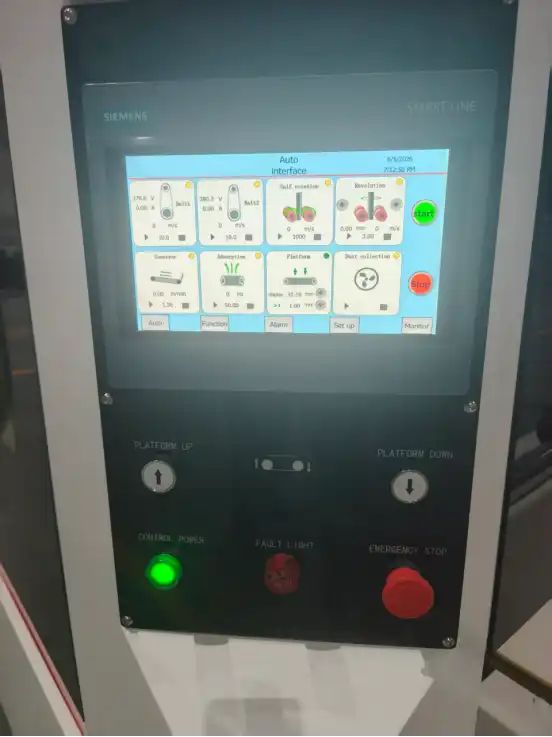
Un touchscreen Siemens da 10 pollici e un PLC Siemens centralizzano impostazioni, dati operativi e allarmi. La compensazione dell'usura abrasiva, regolabile tramite programma, contribuisce a mantenere la posizione di lavoro anche con l'usura dei materiali di consumo. La macchina può essere abbinata anche a un aspiratore di polveri umide opzionale da 7,5 kW, previa verifica della miscela di materiali e del carico di polveri.
Quali parti sono i candidati ideali?
La macchina è progettata per componenti in lamiera piana, non per pezzi tridimensionali irregolari. Tra i materiali tipici si annoverano staffe tagliate al laser, custodie elettriche, pannelli in acciaio inossidabile, coperture in alluminio, componenti in rame e lamiere punzonate con fori interni.
L'applicazione più efficace riguarda una famiglia ricorrente di pezzi piani che si tagliano già bene, ma che necessitano comunque di bordi più sicuri, superfici più pulite o una venatura controllata prima dell'operazione successiva.
Eseguire un test sul pezzo reale prima di scegliere un processo
Il nome del materiale e lo spessore sono solo il punto di partenza. WiseCut necessita anche delle dimensioni minime del pezzo, della percentuale di area aperta, dell'altezza della bava, della geometria del foro, dei requisiti di protezione della superficie e delle condizioni del bordo desiderato. Un test su un campione può quindi mostrare se una sola passata è sufficiente, quale abrasivo è adatto e se la piattaforma a vuoto standard trattiene il pezzo in modo affidabile.
Invia i tuoi disegni e campioni a WiseCut
Condividi il materiale, la gamma di spessore, le foto delle sbavature e la finitura richiesta. Visualizza la pagina del prodotto WiseCut 1300BRBP O contatta WiseCut per organizzare una revisione del processo di finitura del campione e la raccomandazione della macchina.
Domande frequenti sulla sbavatura di pezzi tagliati al laser.
Queste domande sorgono spesso quando un'officina passa dalla molatura manuale a un processo di finitura controllato.
D: Ogni pezzo tagliato al laser necessita di sbavatura?
R: No. La decisione dipende dal livello di bava, dalla sicurezza di manipolazione, dai requisiti del raggio del bordo e dalla fase successiva della produzione.
D: È possibile eliminare completamente tutte le finiture secondarie con impostazioni laser migliori?
R: Possono ridurre le sbavature e le scorie, ma non sempre riescono a fornire bordi arrotondati o una superficie spazzolata uniforme.
D: Qual è la differenza tra la rimozione delle bave e l'arrotondamento dei bordi?
A: La sbavatura elimina il materiale in rilievo. L'arrotondamento dei bordi crea intenzionalmente un raggio più uniforme lungo i contorni e i fori.
D: Una macchina automatica può lavorare pezzi in alluminio e rame?
A: Sì, quando l'abrasivo e il sistema di trasporto sono adatti al materiale. L'adsorbimento sottovuoto è utile per pezzi piani non magnetici idonei.
D: Quando è ancora appropriata la macinatura manuale?
R: Rimane utile per prototipi, riparazioni locali e pezzi tridimensionali irregolari che non possono passare in piano attraverso la macchina.
D: Quali informazioni sono necessarie per un test di esempio?
A: Fornire informazioni su materiale, spessore, dimensioni del pezzo, schema dei fori, altezza della bava, condizioni della superficie e finitura richiesta dopo la lavorazione.


